Author: zephyrpost.com

  • Pure, Simple, Refreshing: Why Reverse Osmosis Might Be the Best Water You’ll Ever Drink

    Pure, Simple, Refreshing: Why Reverse Osmosis Might Be the Best Water You’ll Ever Drink

    We drink water every day—multiple times a day, actually. It’s the most essential part of staying alive, and yet, a lot of us don’t think twice about what’s coming out of the tap. Sure, it’s “safe,” according to local standards. But safe doesn’t always mean clean. Or tasty. Or healthy in the long run.

    If you’ve ever noticed a strange aftertaste in your glass, or wondered what’s really floating around in your water supply, you’re not alone. More and more households are making the switch to a reverse osmosis system—and not just because it’s trendy. It’s because it works.

    So if you’re curious about what reverse osmosis is, whether it’s worth installing, and how to find the best setup for your home, you’re in the right place.


    So, What Is Reverse Osmosis Anyway?

    Let’s skip the science textbook version. Reverse osmosis (or RO) is basically a fancy but effective filtration process. It pushes water through a semi-permeable membrane that’s designed to block just about everything except pure water molecules.

    What does that mean for you? Well, it removes:

    • Heavy metals like lead and arsenic
    • Fluoride
    • Chlorine and chloramine
    • Nitrates and sulfates
    • Pesticides
    • Bacteria and viruses (yep, even the tiny stuff)
    • And that weird smell or taste you’ve been trying to ignore

    It’s not just filtering—it’s purifying.


    Why RO Beats the Basics

    You’ve probably used a pitcher filter before. Maybe one of those faucet attachments, too. They’re okay, especially if you’re just looking to remove chlorine and improve taste. But if you really want to take control of your water quality, they don’t go far enough.

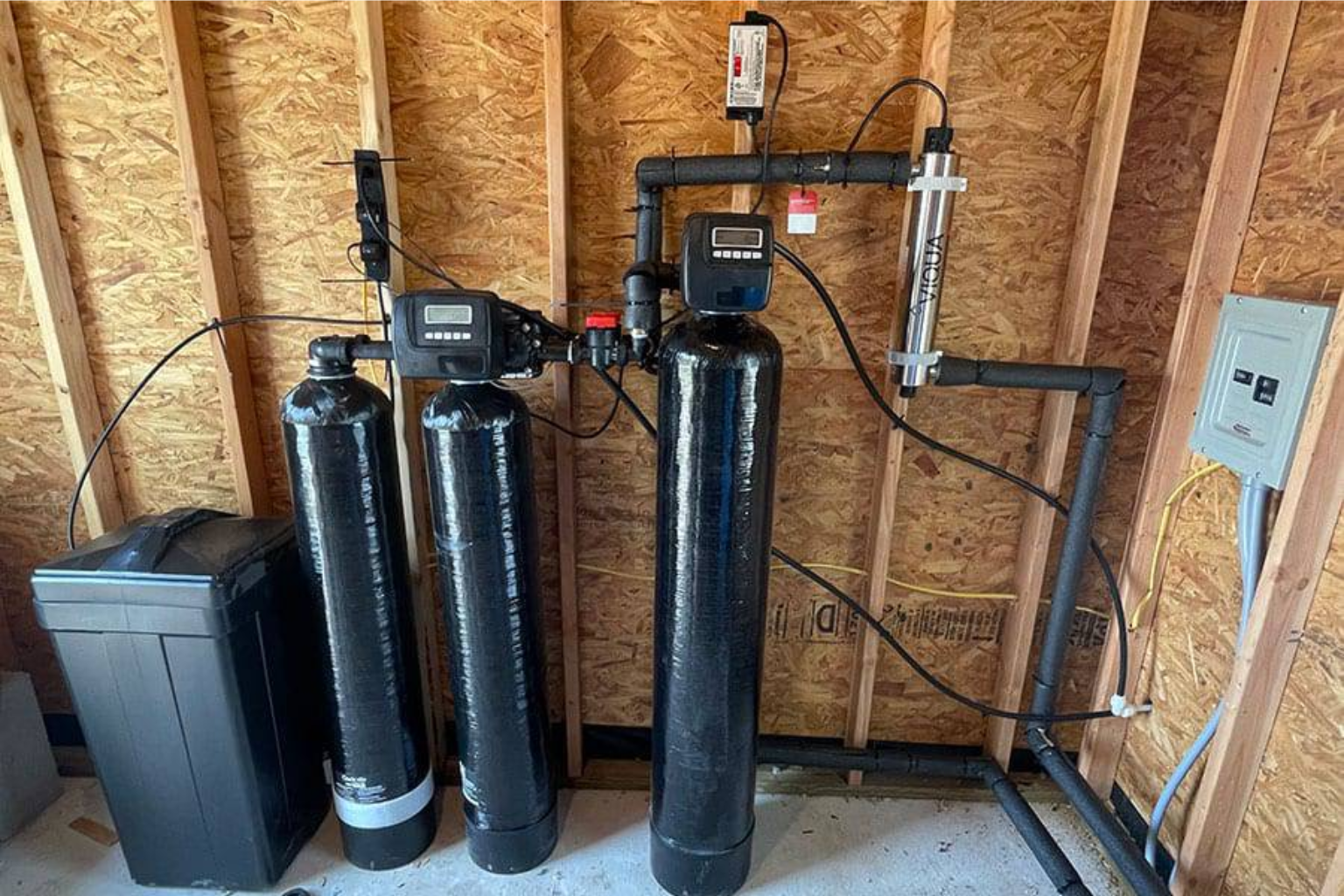
    A home reverse osmosis filter takes things several steps deeper—literally. Most RO systems use multiple stages of filtration, often including:

    1. Sediment filter (for dirt, sand, rust)
    2. Carbon filter (to tackle chlorine, taste, and odor)
    3. RO membrane (the powerhouse that filters at the molecular level)
    4. Polishing filter (for taste and freshness)
    5. Optional remineralization filter (to add back healthy minerals and improve flavor)

    The result? Water that’s not just clean—it’s crystal clear, with zero weirdness and all the hydration your body loves.


    Taste Test? You’ll Notice the Difference

    Ask anyone who’s made the switch: RO water just tastes better. It’s crisp, clean, and smooth. No chemical aftertaste. No metallic tang. Just water, the way nature intended—if nature had access to high-performance filtration.

    It’s not just for sipping, either. Coffee brewed with RO water? Richer. Pasta? Cleaner. Ice cubes? Crystal-clear and totally tasteless (in a good way).

    And if you’re trying to kick your bottled water habit? This is the easiest way to do it. You’ll get better water right from the tap—and save money in the process.


    Finding the Right Fit: Choosing the Best Reverse Osmosis System

    So, how do you pick the best reverse osmosis water system for your home? Here’s what to look for:

    • Stages of filtration: More isn’t always better, but a good system should have at least four or five.
    • NSF/ANSI certifications: These tell you it’s been tested and meets performance standards.
    • Tank size and flow rate: Make sure it fits your family’s water usage needs.
    • Ease of filter replacement: Some systems are tool-free and super easy to maintain.
    • Remineralization option: If you prefer water with calcium and magnesium, look for a system that adds those back in.
    • Warranty and customer support: Always a plus.

    Brands like APEC, Home Master, and iSpring consistently rank well, but local water quality and plumbing setup can also affect what’s best for your situation.


    Installation: DIY or Call the Pros?

    Most under-sink RO systems are designed for DIY installation and come with decent instructions. If you’re handy, you’ll probably be fine. But if plumbing’s not your thing (no shame), a local plumber can install it in under two hours. Either way, once it’s in, it just works—quietly, reliably, day in and day out.

    Maintenance is straightforward, too. Filters typically last 6–12 months, and the membrane itself can last 2–3 years. Just swap them out when the time comes and enjoy the peace of mind.


    Not Just a Luxury—An Everyday Upgrade

    Some folks hear “reverse osmosis” and assume it’s some luxury gadget for health nuts. But it’s not. It’s a practical solution to a very real concern: water that may not be as clean as it looks.

    Whether you’re worried about aging pipes in your home, lead contamination in your city’s infrastructure, or just tired of the chlorine smell every time you run the tap—RO has your back.

    It’s about more than just taste. It’s about confidence.


    Final Sip: Clean Water, Clear Conscience

    Here’s the thing: water is personal. It’s what you drink when you’re sick. It’s what your kids use to brush their teeth. It’s what you put in your coffee, your soup, your dog’s bowl.

    Shouldn’t it be as pure as possible?

    Installing a reverse osmosis system, home reverse osmosis filter, best reverse osmosis water system isn’t just a home improvement. It’s a lifestyle shift. One that gives you control, cuts waste, and makes every glass a little more satisfying.


  • Framing Spaces with Intention: The Subtle Power of Custom Doors That Do More Than Open

    Framing Spaces with Intention: The Subtle Power of Custom Doors That Do More Than Open

    Let’s be honest—doors aren’t usually the first thing people talk about when describing a beautiful home. You might hear them gush about the kitchen backsplash, the oversized island, maybe even the lighting. But the doors? They tend to get left out. And that’s a shame—because doors do more than connect rooms. They frame them. They create flow, pause, presence.

    Whether it’s the sunlit charm of custom French doors, custom pivot doors, custom panel doors, or the bold drama of a solid slab that swings open with barely a sound, great doors are the unsung heroes of truly thoughtful spaces.

    This isn’t about over-the-top opulence. It’s about everyday luxury. The kind that whispers rather than shouts.


    Why Doors Deserve More Attention

    Every space has a story, and doors mark its chapters. You walk through them on your way to morning coffee, close them when you need quiet, swing them wide when guests arrive. And still, they often come as an afterthought in design decisions.

    That’s where custom doors change the game.

    Instead of being shoehorned into whatever opening the builder left behind, a custom door is made for the space. Not just in size, but in feel. The material, the finish, the hardware—they’re chosen with purpose. And when something fits that precisely, it feels different. It feels right.


    The Romance of French Doors

    If there’s such a thing as the “easy elegance” door, it’s the French door. All those glass panes? They let the light travel, bounce, and breathe life into a room. Custom French doors elevate this timeless design into something truly your own.

    Picture double French doors swinging open into a garden or balcony. Or maybe interior French doors separating a dining room from a home office—creating privacy without closing off the light. That’s the balance they strike: open, yet contained. Private, yet connected.

    With a custom build, you’re not stuck with the standard white frame. Want black metal grids and frosted glass for a modern industrial look? Done. Prefer warm wood tones and antique brass hinges for something cozier? That’s the beauty of it.


    Pivot Doors: The Bold Move

    Now, if French doors are classic and charming, pivot doors are their contemporary, swagger-filled cousin.

    Pivot doors operate on a spindle system instead of traditional side hinges. The result? A door that almost floats. It opens with an effortless glide, balanced and bold, like a sculpture that moves.

    They’re especially popular for entryways, where size, presence, and that dramatic swing make a first impression impossible to ignore. But custom pivot doors are finding their way inside homes too—between a living room and kitchen, or even as a bold alternative to sliding patio doors.

    Material choices here can get pretty exciting: think weathered steel, vertical grain cedar, or even a blend of wood and glass. This is the kind of door that makes a statement before you’ve even crossed the threshold.


    The Quiet Strength of Panel Doors

    Panel doors don’t scream for attention, but they might be the most versatile and foundational of the bunch. They’ve been used for centuries and still feel relevant. Why? Because their geometry—those subtle recesses and raised elements—add texture and form to an otherwise blank surface.

    You can go traditional with a six-panel design and detailed molding, or ultra-modern with a flush, single-panel slab and hidden hinges. Custom panel doors can be stained to showcase the wood’s natural grain or painted to blend seamlessly into the wall.

    And just like that, a panel door becomes a design element instead of just a room divider.


    Why Custom Is Worth It

    Let’s call it out: custom costs more. But like most things in design, you get what you pay for. A door made specifically for your space—with your style, your measurements, your lifestyle in mind—doesn’t just look better. It works better. It wears better. It sounds better when it closes. And it will outlast the mass-market alternative, both in durability and in design.

    Custom doors are also often handcrafted by artisans or smaller manufacturers who pay attention to details like wood grain alignment, joint strength, and finish consistency. These are things you may not notice immediately—but your subconscious does. It’s the difference between “nice” and “wow, that feels good.”


    What to Expect (And Ask) When Going Custom

    Thinking of making the leap? Here’s a quick guide to getting it right:

    • Know your space: Measure carefully, but also consider swing direction, clearance, and how the door interacts with furniture, light, and daily flow.
    • Think material first: Wood, steel, aluminum, composite—each has its pros, and your climate, design style, and budget will all play a part.
    • Don’t skimp on hardware: It’s like the jewelry of your door. It finishes the look and impacts functionality every single day.
    • Consider installation: A great door poorly installed is a letdown. Make sure whoever’s hanging it has experience with custom fittings—especially with pivot systems.

    A Final Word on Everyday Beauty

    Doors are about more than function. They’re about experience. That soft click as they close. The warmth of the wood under your palm. The way sunlight spills through the panes in late afternoon.

    When you invest in custom, you’re investing in those moments. You’re choosing details that make everyday life just a little more beautiful, a little more fluid.

    And that’s the point, isn’t it? Not to live in a magazine spread, but to live in a space that feels right. Thoughtful. Intentionally yours.

    So if you’re deciding between custom French doors, custom pivot doors, custom panel doors, or even just whether to go custom at all—start with what moves you. What fits your life. What feels good.

    Because in the end, the best doors don’t just open and close. They welcome. They protect. They connect. And they remind us, every single day, that design can be both beautiful and personal.

  • Wrenches, Waterlines, and West Texas Grit: Why Denver City Plumbing Deserves Your Trust

    Wrenches, Waterlines, and West Texas Grit: Why Denver City Plumbing Deserves Your Trust

    If you’ve lived in West Texas for any length of time, you know that out here, things don’t always go by the book. The wind has its own personality. The soil shifts when it pleases. And if something’s going to break? Odds are, it’ll be your plumbing—at the worst possible moment.

    From busted water heaters to underground leaks that sneak up like bandits, plumbing problems in small towns like Denver City can go from inconvenient to downright overwhelming. And when that happens, you don’t need some faraway franchise or a technician who needs GPS to find your house. You need someone local. Someone you can trust to show up, roll up their sleeves, and get it fixed right.

    That’s the everyday magic of Denver City Texas plumbers—the folks who keep the water flowing, the pressure steady, and the panic to a minimum when pipes go rogue.


    Plumbing in West Texas Isn’t Like Anywhere Else

    Let’s not sugarcoat it: plumbing here can be a challenge. This isn’t a place with cookie-cutter homes and uniform infrastructure. We’ve got a mix of older houses, modern builds, mobile homes, farm properties—you name it. And each one comes with its own plumbing personality.

    Plus, there’s the environment to think about. West Texas isn’t exactly gentle. The soil’s dry, dense, and constantly shifting. That movement underneath your feet? It can crack pipes or loosen joints before you even know there’s a problem. Add in the infamous hard water—packed with minerals that leave crusty buildup on your fixtures and beat up your appliances—and you’ve got yourself a recipe for plumbing wear and tear.

    It’s why you want West Texas plumbers who’ve seen it all, worked through it, and know how to tailor solutions to these specific conditions.


    What Real Plumbers Do (It’s Not Just About Fixing Leaks)

    Plumbing isn’t just about turning wrenches and clearing drains. Sure, that’s part of it. But a seasoned plumber brings strategy, foresight, and a whole lot of experience to the job. They’re not just trying to patch a problem—they’re trying to solve it so it stays solved.

    So what kind of services should you expect from your local Denver City plumbing pros?

    • Emergency repairs — Because leaks and clogs don’t follow a schedule
    • Water heater replacement — Including energy-efficient and tankless systems
    • Sewer line inspections and repair — With modern tools like camera scopes
    • Pipe repair and full repiping — Especially in older homes with outdated systems
    • Drain cleaning — Beyond just pouring chemicals down the line
    • Fixture installation — From kitchen sinks to full bathroom remodels
    • Water softeners and filtration systems — Because, again, that West Texas water is no joke

    A reliable plumber will also offer advice. Not the kind that sounds like a sales pitch—but the helpful, real-world tips that come from years on the job.


    The Local Difference: Why Denver City Plumbing Stands Out

    One of the biggest advantages of hiring local is the relationship. It’s not just a transaction—it’s trust. When you call a Denver City plumber, chances are they’ve worked on your neighbor’s house, your cousin’s rental, or the hardware store’s mainline. That kind of familiarity builds confidence.

    Local plumbers know what kinds of materials work best in this climate. They understand local building codes. They’ve seen how seasonal changes affect pipes out here. And if there’s ever a problem after the job? They’re not disappearing into the next city—they’re five minutes down the road.

    That matters. Because plumbing issues aren’t just technical—they’re personal. When your shower won’t drain or your toilet’s flooding the floor, you want someone who understands the urgency and treats your home with respect.


    What to Look for in a Great Plumber

    Not all plumbers are created equal. And while credentials like licensing and insurance are absolutely essential, there are a few other qualities you should be on the lookout for:

    • Clear, honest pricing — No mystery fees or bait-and-switch tactics
    • Strong communication — They return calls, show up when they say, and explain what’s going on
    • Cleanliness and professionalism — Because it’s still your home, not a construction site
    • Experience with local homes and conditions — You don’t want someone guessing at solutions
    • Positive reviews and word-of-mouth — Especially from fellow locals

    Trust your gut. If someone seems rushed, evasive, or more interested in upselling than solving, move on. You deserve better.


    Prevention Is the Best Plumbing Hack

    Here’s the thing about plumbing: it gives you signs when something’s off. A slow drain. A rusty tint to your water. That faint hissing noise near the water heater.

    The problem? Most folks ignore those signs until something breaks. But having your system checked once a year? That’s the difference between a $150 service call and a $3,000 repair job.

    Good plumbers don’t just wait for the emergency—they help you avoid it altogether.


    Final Thoughts: Plumbing With Purpose

    We don’t always think about what’s happening behind our walls and under our floors—until it stops working. But plumbing is one of those things that quietly keeps your life running smoothly. When it breaks, it breaks everything: your schedule, your comfort, your peace of mind.

    So whether you’re upgrading fixtures, chasing a mysterious leak, or dealing with a midnight flood, don’t just search for the cheapest number online. Call someone who knows your town, your home, and your needs.

    Because when it comes to denver city texas plumbers, the real value isn’t just in fixing problems. It’s in building relationships, offering honest work, and keeping West Texas homes running strong—one pipe at a time.

  • Out of Hot Water? Why the Right Plumber on Call Makes All the Difference

    Out of Hot Water? Why the Right Plumber on Call Makes All the Difference

    There’s nothing like a cold splash of reality to ruin your morning—literally. Maybe it’s the first freezing stream out of your shower head. Maybe it’s the sound of your water heater groaning in protest as you try to wash the dishes. Or maybe it’s that sinking feeling when you realize your bathroom floor is warmer than it should be… and not in a cozy, heated-tile sort of way.

    Let’s be honest—when hot water vanishes, everything else grinds to a halt. And that’s when you need help. Fast. Not tomorrow, not next week. Now.

    This is where the real heroes of comfort step in: the hot water heater plumber and the ever-ready plumbers on call who actually pick up the phone at odd hours and know what they’re doing.


    Hot Water Isn’t a Luxury—It’s a Daily Essential

    We might not think about our water heater when it’s doing its job right. But when it stops? Oh, you’ll notice. It’s not just your morning shower. It’s the laundry piling up, dishes that won’t come clean, baths that go cold halfway through. And let’s not forget the stress of not knowing whether it’s a small issue—or the start of a much bigger mess.

    Most people don’t know much about their water heater until something goes wrong. And why should they? It’s not the kind of appliance you show off to guests. It’s tucked away in a closet, basement, or garage, quietly doing its job. Until it doesn’t.


    The Value of a Specialized Water Heater Plumber

    Here’s the deal—water heaters are their own beast. Sure, any plumber can probably take a look, but when it comes to troubleshooting complex systems, diagnosing pressure issues, or deciding whether you need a full replacement or just a new thermocouple, you want someone who actually specializes in water heaters.

    A hot water heater plumber doesn’t just know the basics. They know the warning signs of corrosion, how to safely drain a tank, when a flush will solve the issue versus when your system is on its last legs. They understand traditional tank units, high-efficiency models, and the increasingly popular tankless systems.

    They also know how to navigate tricky installs and upgrades—like switching fuel sources or rerouting venting—without turning your utility room into a construction site.


    What to Expect When You Call for Help

    When you’ve got no hot water, you’re not in the mood for delays, vague arrival windows, or confusing pricing. That’s why having reliable plumbers on call is more than just handy—it’s a lifesaver.

    The best ones show up when they say they will. They bring the tools, the parts, and the patience to get the job done right, without dragging it out or padding the invoice with unnecessary extras. They explain the problem in plain English. No pressure tactics, no mystery fees.

    They’ll ask the right questions: How old is your water heater? Any strange noises or smells? How’s the water pressure? Has anyone looked at it recently?

    And if you do need a new unit? They’ll help you choose something that fits your home, your water usage, and your budget—not just whatever they have in the truck.


    Not All Emergencies Look Like Emergencies

    Here’s the tricky part: water heater problems don’t always come with a dramatic leak or total shutdown. Sometimes they sneak up on you. That slightly metallic smell in the water? That could be rust in your tank. Water taking longer and longer to heat up? Might be sediment buildup. Pilot light keeps going out? Could be a faulty thermocouple—or something deeper.

    If you notice any of the following, don’t wait:

    • Water pooling near your heater
    • Rumbling or popping sounds from the tank
    • A sudden drop in water pressure when using hot water
    • Discolored or cloudy water
    • Inconsistent water temperature

    These are early warning signs that something’s not right—and that it’s time to call in a pro before things get worse.


    The Power of Planning Ahead

    While emergencies can’t always be avoided, a little routine maintenance can go a long way. A yearly inspection can help extend the life of your water heater, reduce energy bills, and prevent costly breakdowns.

    That’s why the best plumbing pros don’t just show up when things break—they offer regular service plans and honest advice. They’ll flush your tank, check the anode rod, test safety valves, and let you know if something’s about to fail. No panic, no pressure. Just a heads-up.

    And let’s be real: when you’ve already built a relationship with a trusted plumber, the middle-of-the-night calls feel a whole lot less stressful.


    Final Thoughts: Keep Your Home (and Showers) Running Smoothly

    Hot water isn’t something we think about—until we don’t have it. And when it disappears, it disrupts everything. That’s why having a dependable hot water heater plumber, and knowing which plumbers on call to trust, makes all the difference.

    So don’t wait for the cold splash of reality to hit. Whether you’re facing a full-blown failure or just starting to notice the signs, call someone who gets it—someone who treats your home like more than just a job.

    Because comfort shouldn’t be complicated. And hot water? That should be the one thing you never have to worry about.

  • Softening the Debate: Potassium Chloride vs. Sodium Chloride for Your Water Softener

    Softening the Debate: Potassium Chloride vs. Sodium Chloride for Your Water Softener

    Water softeners don’t usually make the list of exciting home upgrades. They’re the kind of behind-the-scenes heroes we only think about when things go wrong—like when our glasses come out of the dishwasher cloudy, our skin feels dry after a shower, or the water heater starts acting up. But if you’ve already taken the plunge and installed one, good on you. You’ve tackled hard water head-on.

    Now comes the part you probably didn’t expect: deciding what to feed your softener. Enter the classic question—potassium chloride vs sodium chloride for water softener systems. It sounds technical, maybe even unimportant. But trust me, this simple choice can affect everything from your health and budget to your landscaping and environmental impact.

    Let’s walk through the differences, the pros and cons, and how to figure out which option actually makes sense for your home.


    Why Water Softeners Need Salt (or Something Like It)

    Before we jump into the salt vs. potassium showdown, let’s clarify something: water softeners don’t technically remove minerals—they replace them. Specifically, they swap out calcium and magnesium (the minerals that make water “hard”) with sodium or potassium ions through a process called ion exchange.

    To keep this process going, your softener needs to periodically “recharge” with either sodium chloride (yep, regular salt) or potassium chloride. Both work, but they do so in slightly different ways—and that’s where the decision starts to matter.


    Sodium Chloride: The Reliable Old Workhorse

    Sodium chloride is what most people use, simply because it’s familiar, affordable, and widely available. You’ll find 40-pound bags of it stacked like bricks at any hardware or big-box store. It does the job, and for many households, it does it well.

    The upsides of sodium chloride:

    • Cost-effective: Usually half—or even a third—the cost of potassium chloride.
    • Efficient: Sodium is slightly better at regenerating resin beads, which means your system works a little more efficiently and uses less product over time.
    • Availability: Easy to find anywhere, anytime.

    But there’s a catch, and it’s worth considering. Since sodium is added to your water during softening, trace amounts end up in your household water supply. It’s not a lot—usually not enough to affect taste or health—but for those on low-sodium diets, it can be a deal-breaker.

    Also, salt runoff from softeners can be tough on the environment. It’s not ideal for irrigation or septic systems, and some regions have even started placing restrictions on salt-based softeners.


    Potassium Chloride: The Cleaner, Greener Alternative

    Potassium chloride is the go-to for folks looking for a more eco-friendly, health-conscious choice. It does the same ion exchange job, just with potassium instead of sodium. For most systems, it’s a drop-in replacement.

    The perks of potassium chloride:

    • No sodium added: A major win if you’re monitoring sodium intake or want peace of mind when drinking softened water.
    • Better for plants and soil: If you’re using softened water for irrigation, potassium is actually beneficial for plant growth.
    • Eco-friendlier: Potassium-based regeneration is easier on septic systems and groundwater.

    Now, here’s the not-so-fun part: cost. Potassium chloride is significantly more expensive—often three to four times the price of sodium chloride. And because it’s a bit less efficient at ion exchange, you may need more of it, which adds up over time.

    Still, for some households, the peace of mind is worth the price tag.


    Real-World Considerations: What Actually Matters?

    Choosing between sodium and potassium isn’t just about chemistry—it’s about lifestyle, priorities, and a little bit of math. Here are a few things to think about:

    • Health Concerns: If someone in your household is on a low-sodium diet, potassium is probably your best bet.
    • Gardening Goals: If your outdoor water line runs through the softener (not uncommon), potassium is far kinder to your plants.
    • Budget: If you’re running a large system or softening water for a big household, the price difference might not be easy to swallow.
    • Local Regulations: Some areas are starting to regulate or ban salt-based softeners. Check with your local water district or environmental agency.
    • System Compatibility: Most modern softeners work with either product, but it’s still wise to check your manual or call the manufacturer before switching.

    And if you’re still unsure? Try both. Start with salt, see how your system performs, then switch to potassium for a cycle or two. You’ll get a feel for the pros and cons in your own space.


    The Environmental Angle

    Let’s talk green for a moment. While sodium chloride is effective, its environmental impact is real. Salt discharged into groundwater or septic systems can harm aquatic life and contribute to long-term soil degradation. Potassium, by contrast, is a plant nutrient and breaks down more gently in the environment.

    If you’re eco-conscious and trying to reduce your household footprint, potassium chloride makes a compelling case—especially if you live in a region where water conservation and sustainability are front of mind.


    So… Which One Should You Choose?

    There’s no one-size-fits-all answer here. Sodium chloride is cheaper, more efficient, and widely used. Potassium chloride is cleaner, safer for health and the environment, but costs more. It all boils down to what matters most to you.

    Want to save money? Salt wins. Watching your health and garden? Potassium’s your friend. Trying to split the difference? Some homeowners alternate—using sodium most of the year, then switching to potassium during the growing season or when guests are around.


    Final Thoughts: It’s What’s Inside That Counts

    Your water softener is working hard behind the scenes, protecting your pipes, your appliances, and even your skin. Choosing the right regeneration media—whether it’s salt or potassium—isn’t just about maintenance. It’s about making sure your system works with your lifestyle, not against it.

    So the next time you’re staring at those stacked bags at the store, wondering what to choose, remember this: the question of potassium chloride vs sodium chloride for water softener is really about what you value most. Cost? Health? Efficiency? Sustainability?

    Either way, you’re making a choice that helps your home run smoother, cleaner, and smarter. And honestly, that’s pretty refreshing.

  • The People Behind the Deal: Why M&A Advisors in Addison Are More Than Just Number Crunchers

    The People Behind the Deal: Why M&A Advisors in Addison Are More Than Just Number Crunchers

    There comes a point in the life of many business owners when the question shifts from “How do I grow this thing?” to “What’s next?” Maybe you’re riding a high after years of success, or maybe you’re burned out and wondering how to move on without letting it all fall apart. Either way, when you’re staring down that crossroad—sell, merge, acquire—it helps to have someone in your corner who actually gets it.

    That’s where M&A advisors come in. But not just any advisor. If you’re in a place like Addison, Texas—where the business scene is bustling but still close-knit—you’ll want someone who knows the local terrain, who understands the emotional weight behind every transaction, and who won’t treat your deal like just another line item.

    Let’s unpack the value of working with m&a advisory firms, what to expect from a solid business acquisition advisor, and why m&a advisory firms Addison might just offer the personalized edge you didn’t know you needed.


    M&A: Not Just for Wall Street

    The phrase “mergers and acquisitions” probably conjures images of slick suits in high-rise boardrooms—but the truth is, some of the most impactful M&A activity is happening far from the skyscrapers. Think family-owned businesses. Regional service companies. Mid-sized manufacturers and logistics firms. All right here in communities like Addison.

    In fact, the lower-to-middle market (deals typically ranging from $1M to $100M) is where a lot of real transformation happens. It’s where owners cash out, expand, or join forces to take on bigger opportunities. And because these businesses are often founder-led and deeply personal, the role of an advisor becomes more than financial. It becomes relational.


    What a Business Acquisition Advisor Actually Does

    If you’ve never gone through an M&A transaction before, it’s easy to underestimate just how much ground a good advisor covers.

    We’re talking about:

    • Valuation Strategy: Helping you understand what your business is actually worth—and what could increase that number.
    • Preparation: Making sure your financials, operations, and team are positioned to attract the right kind of buyer or partner.
    • Sourcing Buyers (or Targets): Not just broadcasting a deal online, but confidentially identifying and vetting people who align with your goals.
    • Negotiating Terms: Because there’s more to a deal than just the price. Earn-outs, warranties, contingencies, and culture compatibility all play a role.
    • Managing Emotions: Let’s be real—it gets personal. Good advisors don’t just keep the deal moving. They help you stay clear-headed through the bumps.

    At their best, a business acquisition advisor is part financial analyst, part strategist, part therapist.


    Addison, Texas: Small Town Feel, Big Opportunity

    Addison is a bit of a gem in the Dallas-Fort Worth metroplex. It’s got a thriving entrepreneurial community, a business-friendly environment, and a vibe that attracts both legacy companies and fast-growth startups. That combination creates fertile ground for M&A deals.

    It also means that local knowledge matters. A national firm might be able to analyze your numbers, sure—but do they know who’s quietly looking to buy in Addison? Or what types of deals typically perform well in the region? Probably not.

    That’s why working with m&a advisory firms Addison offers something special: boots-on-the-ground insight paired with strategic, high-level guidance. It’s a best-of-both-worlds situation—global thinking, local execution.


    How to Spot a Quality M&A Advisor

    Not every advisor is built the same. If you’re thinking about selling or acquiring, here’s what to look for:

    • Tailored Attention: Do they actually listen to your story, your goals, your pain points? Or are they pushing you into a template?
    • Realistic Valuations: Flashy promises usually come with strings—or disappointment. Look for someone who’s grounded and honest.
    • Local Awareness: Especially in Addison, having someone who knows the regional market gives you a serious edge.
    • Deal Track Record: Ask about past successes, industries they’ve worked with, and how they measure a good outcome.
    • Transparency: You want someone who’s upfront about fees, timelines, and expectations—not just in the pitch meeting, but all the way through closing.

    The Emotional Side No One Talks About

    Here’s a truth that’s rarely discussed: selling a business can feel like grief. You’ve built this thing, made sacrifices, weathered storms—and now you’re handing it over.

    That’s why having a trusted advisor isn’t just about money. It’s about having someone who understands that side of the process. Someone who knows that yes, the numbers have to add up—but the exit has to feel right too.

    And when you’re the one doing the buying? It’s the same story in reverse. You’re not just acquiring a company—you’re inheriting someone’s legacy.

    The best advisors know how to navigate that space.


    Final Word: Make the Move When You’re Ready

    There’s no perfect time to sell or acquire. But there’s such a thing as smart timing.

    Start the conversation before you think you need to. Even if you’re not sure whether you’re selling in a year or five, talking to an M&A advisor early gives you clarity—and leverage. It helps you build value, avoid mistakes, and explore opportunities with confidence.

    And if you’re in Addison? Tap into the advisors who know your market, your mindset, and your kind of business.

    Because a deal done right doesn’t just close a chapter—it sets the stage for the next one. And that’s something worth doing well.

  • What’s in the Glass? A Real Talk About Louisville’s Tap Water and Fluoride Concerns

    What’s in the Glass? A Real Talk About Louisville’s Tap Water and Fluoride Concerns

    Let’s be real—water is something most of us take for granted. You turn on the tap, fill your glass, and move on. No second thoughts. But every now and then, questions bubble up: What’s actually in my water? Is it safe? Should I be filtering it?

    If you live in Louisville, Kentucky, these questions might hit a little closer to home. There’s been plenty of chatter over the years—about fluoride, aging pipes, water treatment practices, and all the rest. So let’s set the record straight in plain language: What’s the deal with Louisville drinking water? Is it clean, safe, and worth sipping straight from the faucet?

    Spoiler: Yes—with a few footnotes.


    First, Let’s Talk Fluoride

    One of the first things people ask when it comes to their tap water: Is there fluoride in it?

    The short answer? Yep. Louisville Water Company adds fluoride to the municipal water supply, just like thousands of cities across the country. This isn’t some shadowy decision—it’s backed by decades of research from public health organizations, including the American Dental Association and the CDC.

    Why add fluoride? It helps prevent tooth decay, especially in children. Think of it as a tiny dose of extra dental care in every glass of water.

    Of course, not everyone loves the idea. Some folks prefer their water additive-free. And while the debate over fluoride drinking water pops up occasionally in the news and online forums, Louisville’s fluoride levels stay well within safe federal guidelines—typically around 0.7 parts per million.

    If you’re really not into it, water filters with reverse osmosis or activated alumina can help remove fluoride. But for most people, it’s a non-issue—and frankly, a bonus for your teeth.


    So, Is Louisville Tap Water Actually Safe?

    Let’s get right to the heart of it: is Louisville tap water safe to drink?

    According to the experts, yes.

    Louisville Water Company is consistently ranked among the best public utilities in the U.S. when it comes to water quality. Every year, they release a detailed water quality report (also called a Consumer Confidence Report), and spoiler alert—it’s usually squeaky clean.

    The water starts from the Ohio River, then goes through a rigorous treatment process that includes ozone disinfection, filtration, and testing for dozens of contaminants. By the time it reaches your faucet, it’s passed hundreds of checks.

    Louisville Water even brands their product as “Louisville Pure Tap®.” That’s not marketing fluff—they’ve actually won national taste tests. Not something most cities can brag about.

    Still, “safe” doesn’t mean perfect. If your home has old plumbing (we’re looking at you, pre-1986 homes), there’s always a small chance of lead leaching into your water. But this isn’t a Louisville-only problem—it’s a national infrastructure issue. A good lead-removing filter (NSF/ANSI Standard 53 certified) can help.

    If you’re concerned, you can request a free water quality test kit or have your water professionally tested for peace of mind.


    What About the Taste?

    Okay, safety aside—how does it taste?

    Honestly, Louisville’s tap water tastes pretty great. It’s clean, crisp, and not overly chlorinated. The use of ozone treatment (instead of heavy chlorine) means the water has less of that chemical bite you get in some big cities.

    If you’ve ever filled a reusable bottle before a hike and thought, Hey, this is better than bottled,—you’re not imagining things.

    Of course, taste is subjective. Some folks pick up on subtle flavors based on plumbing materials or sink fixtures. If you’re one of them, a basic charcoal filter like a Brita can smooth it out even more.


    Bottled Water vs. The Tap

    Let’s call it like it is—bottled water is big business. But in many cases, what you’re buying in that $2.29 bottle is just filtered municipal water anyway.

    Louisville’s tap water is not only cheaper (read: basically free), but often better than the bottled stuff in blind taste tests. Plus, it’s more environmentally friendly—no plastic waste, no transportation costs.

    So unless you’re traveling or live in a home with known plumbing issues, there’s no need to default to bottled. Your kitchen tap’s got your back.


    So… Should You Be Filtering Your Louisville Water?

    You can, but you don’t have to.

    If you want to remove chlorine, lead from old pipes, or that faint mineral taste, go for it. Filters are inexpensive and easy to install. But if you’re already drinking tap water unfiltered, you’re still doing just fine.

    The key is knowing why you’re filtering—not just doing it because TikTok said so.


    Wrapping It All Up

    So where does that leave us?

    Louisville’s tap water is safe. It’s tested. It’s treated. And it tastes surprisingly good. Yes, it contains fluoride (at federally recommended levels), and no, there’s no major red flag waving over the city’s water supply.

    That said, it never hurts to stay informed. Read the water quality report. Understand your plumbing. Know your options if you want to filter.

    But overall? You can feel good about filling up that glass in the Bluegrass State. Because Louisville drinking water doesn’t just pass the test—it’s got some serious bragging rights.

    Now go ahead. Turn on the tap. Drink up. You’ve got great water in your corner.

  • Why Advanced Pharmacy Care Isn’t Just a Buzzword—It’s the Future of Medication Support

    Why Advanced Pharmacy Care Isn’t Just a Buzzword—It’s the Future of Medication Support

    Let’s face it: the word “advanced” gets tossed around a lot these days. Advanced skincare, advanced coffee makers, advanced socks. It’s usually just code for “new” or “expensive” — sometimes both. But when we talk about advanced care pharmacy or advanced pharmacy services, it actually means something real. Tangible. Game-changing, even.

    Because the way people manage their health — especially when it comes to complex, long-term conditions — has shifted. And the old school, transactional model of pharmacy isn’t cutting it anymore.

    Gone are the days when a pharmacy’s job ended with counting pills and sticking a label on a bottle. Today, we’re in the middle of a massive evolution. Pharmacies aren’t just drug dispensers. They’re partners in care. They’re tech-savvy, clinically involved, and (ideally) connected to your broader healthcare team.

    So what does that really look like? And how can the average patient or care facility tell if a pharmacy is truly advanced — or just putting a shiny label on an old system?

    Let’s dig in.


    The Rise of Advanced Pharmacy Services

    When we talk about advanced pharmacy, we’re not just talking about fancy machines or sleek apps. We’re talking about a smarter, more integrated model of care. This includes services like:

    • Medication therapy management (MTM): Personalized reviews of all your medications to check for interactions, duplications, or unnecessary drugs.
    • Specialty medication support: For complex conditions like cancer, multiple sclerosis, or rheumatoid arthritis, where meds come with side effects, monitoring needs, and cost hurdles.
    • Custom packaging and adherence tools: Because remembering to take 7 different medications at 3 different times every day? Not easy.
    • Real-time coordination with doctors, nurses, and caregivers: Especially critical for those in long-term care, assisted living, or home health.

    It’s not just more services. It’s a different mindset. One that sees the patient as more than a prescription number.


    Where Traditional Pharmacies Fall Short

    Let’s be honest — the average retail pharmacy is trying to survive. They’re overwhelmed, short-staffed, and caught between insurers, PBMs, and rising expectations. They do their best, but the model wasn’t built for high-touch, ongoing care. It was built for volume.

    That’s why advanced pharmacies are stepping in to fill the gap.

    Instead of pushing patients through like an assembly line, they take time to review therapy plans. They help people understand their meds — not just take them. They work with providers to ensure continuity, instead of reacting after the fact.

    It’s a subtle shift, but it’s a big one. And it shows up in outcomes — fewer hospitalizations, better adherence, and (surprise!) less frustration.


    Real-World Examples of Advanced Care

    Let’s say you’re caring for a parent with Parkinson’s. They’re on a complicated medication schedule, and their cognition is starting to decline. Every day feels like a juggling act — did they take their meds? Did they take too many? Did someone forget the refill?

    An advance pharmacy service would step in with multi-dose packaging that lays everything out clearly by date and time. They’d sync up refills automatically. They might even have a care coordinator reach out to review how things are going — not because something went wrong, but because it’s part of the service.

    Or maybe you’ve just started a new biologic medication that costs thousands per month. A traditional pharmacy might just hand it to you (if your insurance approves it). An advanced care pharmacy? They’ll handle prior authorizations, help you apply for copay assistance, and make sure your labs are getting monitored properly.

    That’s what we mean by next-level care.


    Technology Meets Human Touch

    Advanced doesn’t have to mean robotic. The best advanced pharmacy blend technology with that essential human touch.

    They might use smart dispensing systems that track when doses are taken — but they also have a pharmacist on call to explain side effects. They might have a slick web portal — but they also offer regular check-ins if you’re dealing with a new diagnosis or new med routine.

    One long-term care nurse I spoke with recently said, “It’s not just about accuracy anymore. It’s about support. Our pharmacy doesn’t just deliver meds — they help us deliver better care.”

    That’s the point.


    Who Needs an Advanced Pharmacy?

    Honestly? Probably more people than realize it.

    • Patients with chronic conditions or complex medication regimens
    • Families juggling care for aging loved ones
    • Facilities like assisted living centers or memory care units
    • Clinics managing high-risk patient populations
    • Anyone who’s ever stared at a pile of pill bottles wondering, “How is this supposed to work?”

    If that’s you? It’s worth finding out if your pharmacy is offering more than just the basics.


    How to Tell If a Pharmacy Is Truly “Advanced”

    Here’s a quick checklist:

    • Do they offer customized packaging that supports med adherence?
    • Do they provide clinical support, not just fill-and-bill service?
    • Can they handle specialty meds and insurance navigation?
    • Do they work with your care team to optimize therapy?
    • Do they proactively follow up — or only react when there’s a problem?

    If the answer to most of those is yes, congratulations — you’ve found the real deal.

    If not, well… there’s room for improvement.


    Final Thoughts

    Advanced care pharmacy, advanced pharmacy, advance pharmacy service — whatever you call it, the core idea is the same: better medication support leads to better outcomes.

    It’s not about bells and whistles. It’s about designing pharmacy care that fits real life. The messy, complicated, human kind.

    So whether you’re a caregiver, a clinician, or someone just trying to manage your own meds without losing your mind — it might be time to ask more from your pharmacy.

    Because good enough isn’t always good enough.

  • Explore the Wonders of Science: Why Every Traveler Should Visit Petrosains in MalaysiaIntroduction to Petrosains

    Explore the Wonders of Science: Why Every Traveler Should Visit Petrosains in MalaysiaIntroduction to Petrosains

    Nestled in the heart of Kuala Lumpur, Petrosains is a sprawling science discovery centre designed to engage visitors of all ages in the fascinating world of science and technology. This gem is a must-visit for travelers looking to add a blend of education and excitement to their Malaysian itinerary. Accessing Petrosains is a breeze; it’s conveniently located within the iconic Suria KLCC at the base of the Petronas Twin Towers, ensuring it’s easily reachable by public transportation and centrally positioned for visitors exploring the city.

    For those planning their journey, it’s straightforward. Tickets can be booked quickly through Traveloka Malaysia, making access hassle-free and immediate. Find more about their offerings on petrosains, hosted on Traveloka’s comprehensive activity platform.

    Interactive Exhibits That Spark CuriosityExploration Station

    At the Exploration Station, visitors can dive hands-on into science experiments that are not only educational but also immensely fun. Simulation rides, which are a crowd favorite, offer immersive experiences that mimic real-world scientific explorations like deep-sea dives and space expeditions.

    Space: The Final Frontier

    Petrosains brings outer space closer to Earth with its stellar astronomy displays and showcases of space-age technology. The exhibit allows travelers to gaze at the stars and learn about the vast universe, making it a perfect spot for families and space enthusiasts.

    F1 Racing Experience

    For speed enthusiasts, the F1 Racing Experience is a highlight. This exhibit features interactive racing simulators that give guests the thrilling sensation of being in a high-speed race. Additionally, the history of motorsports is creatively displayed, allowing visitors to appreciate the progression of racing technology.

    Unmissable Educational Programs

    Petrosains offers a myriad of workshops and demonstrations, tailored to spark the curiosity of young minds and adults alike. Children have unique programs designed just for them, making Petrosains a premier destination for family educational entertainment as recommended by Traveloka Malaysia.

    Dining and Leisure OptionsOn-Site Cafés

    The on-site cafés at Petrosains are not your typical museum eateries. With themed menu options, these cafés offer relaxing spaces where visitors can discuss their favorite exhibits over a delightful meal, adding another layer of enjoyment to the educational visit.

    Family-Friendly Facilities

    Understanding the needs of families, Petrosains is equipped with child care facilities and ensures that their premises are accessible to strollers and wheelchairs. This attention to accessibility makes it a stress-free experience for parents and inclusive for visitors with mobility challenges.

    Unique Souvenir and Gift Shops

    No visit is complete without a stop at the gift shops, which feature an array of science-themed merchandise. From educational kits to books that delve deeper into scientific topics, these items allow travelers to take a piece of their Petrosains adventure home.

    Unveiling Stories of Science Exploration

    Visitors at Petrosains can opt for behind-the-scenes tours or even meet real scientists working on exciting new projects. These experiences offer an insider’s look at the cutting-edge of science exploration and innovation.

    Seasonal Events and Special Exhibitions

    Petrosains frequently hosts special exhibitions and seasonal events that highlight unique scientific achievements and themed explorations. Keeping an eye on the upcoming events calendar on petrosains ensures visitors never miss out on these enriching experiences.

    Pioneering Sustainability Efforts

    Dedicated to sustainability, Petrosains implements various green initiatives and encourages visitors to participate in these efforts. This commitment makes Petrosains not only a place of learning but also a leader in sustainable tourism practices.

    Create Your Own Science Adventure

    Travelers can tailor their Petrosains visit to align with specific interests. Planning an itinerary through Traveloka Malaysia allows visitors to maximize their time and ensure they engage with exhibits and activities that resonate most with their curiosity and enthusiasm.

    Venturing into Petrosains offers more than just a day out in the city—it’s a journey into the heart of science that inspires, educates, and entertains. Whether you’re a science enthusiast, a family looking for a fun and instructive outing, or simply curious about the wonders of technology, petrosains, through the accessibility provided by Traveloka Malaysia, presents an unforgettable adventure in Kuala Lumpur.

  • Your Space, Your Story: What Really Happens During an Interior Design Consultation

    Your Space, Your Story: What Really Happens During an Interior Design Consultation

    Let’s be honest—inviting someone into your home (even virtually) to give advice about how it should look and feel can be intimidating. Maybe you’re excited. Maybe you’re overwhelmed. Maybe you’ve just outgrown your space and you’re not quite sure what comes next. That’s where an interior design consultation comes in—and no, it’s not as scary or salesy as it sounds.

    In fact, it’s the beginning of something thoughtful, collaborative, and—yes—even fun.

    Because while it might seem like a casual meeting, a good consultation sets the stage for everything that follows. It’s where ideas are born, problems are uncovered, and dreams start to take shape.


    More Than Just a “Chat” About Style

    The phrase “interior design consultation” gets tossed around a lot, but what does it actually involve?

    Well, think of it as the first date between you and your future space. It’s where a designer starts to understand not just your taste, but your life. They’ll ask questions about how you use the space, what frustrates you, what inspires you, and what you want your home to feel like—not just what you want it to look like.

    Do you need a breakfast nook that doubles as a homework station? A home office that doesn’t feel like a glorified corner desk? A living room that can switch gears from quiet coffee mornings to loud family movie nights?

    The goal of this conversation isn’t to pressure you into velvet drapes or marble countertops. It’s to listen. To observe. And to help you envision what’s possible—even if you’re not quite sure how to describe it yourself.


    What You Bring to the Table

    No need to have a vision board ready or know the difference between “mid-century modern” and “transitional chic.” But it is helpful to come prepared with some thoughts:

    • What are your pain points?
    • What spaces do you love (or really, really don’t)?
    • What’s your budget—not just dream budget, but real-life budget?
    • What kind of timeline are you working with?

    A few reference photos (even if they’re just screenshots from Instagram) can go a long way in starting the conversation. But more than that, honesty matters. Be open. Be realistic. Share what works and what doesn’t. A good designer isn’t judging—they’re solving.


    The Quote Part—Because Yes, It Matters

    Let’s talk numbers. After all, once the ideas start flowing, the natural question is: “What’s this going to cost me?”

    Every designer or firm has their own way of working. Some offer flat-rate packages. Others work hourly. Some build their fee into the product sourcing or project management. But a solid interior design quote should never feel like a mystery.

    During or shortly after your consultation, you should receive a proposal or estimate based on the scope of work discussed. This might include:

    • Design concept development
    • Number of rooms or zones involved
    • Materials sourcing and vendor coordination
    • Site visits or installation oversight
    • Revisions and updates

    It’s okay to ask questions. In fact, it’s smart. Ask what’s included, what’s not, how payments are scheduled, and what happens if the scope of work changes. Transparency is a sign of a seasoned professional—and it sets expectations for a smoother process.

    And here’s our keyword, blended right in: Whether you’re looking for a fresh layout or a full renovation, a detailed interior design consultation, interior design quote helps you understand not just the cost, but the value behind the service.


    It’s Okay to Take a Beat

    Just because you’ve had a consultation doesn’t mean you have to commit on the spot. The best designers want you to feel empowered, not pressured. If you need to think it over, that’s totally fair.

    But don’t wait too long—design timelines can book up fast, especially during peak seasons. If you vibe with the designer, trust your gut. A good partnership in this space can lead to transformations far deeper than just a new wall color.


    The Human Side of It All

    Here’s something people don’t say enough: design is emotional. We’re talking about your home—your personal world. A place where you unwind, recharge, build memories, raise kids, maybe start a business, or just take a breather from life’s noise.

    So yes, there’s value in choosing a designer who knows color theory and layout flow. But there’s magic in choosing someone who listens. Who gets what you’re trying to create, even if you don’t have the words for it yet.


    What Comes Next

    After your consultation and quote, you’ll usually move into concept development—mood boards, color schemes, maybe even digital renderings. This is where the ideas get more tangible, and where decisions start to take shape.

    From there? Sourcing, planning, implementation. But it all starts with that first meeting.


    Final Thoughts: Your Space Deserves Attention

    Too often we live in spaces that don’t reflect who we are or how we want to live. We settle for “good enough” because it feels easier than making a change. But you don’t have to figure it out alone.

    A consultation isn’t a commitment to overhaul your life—it’s a step toward making your home feel more like… you. And that’s something worth exploring.

    So go ahead. Schedule the meeting. Ask the questions. Open the door to what’s possible.

    Because when your space supports the way you live, everything else just clicks into place.