Author: zephyrpost.com

  • Microservices Architecture: Breaking Down Software into Components

    Microservices Architecture: Breaking Down Software into Components

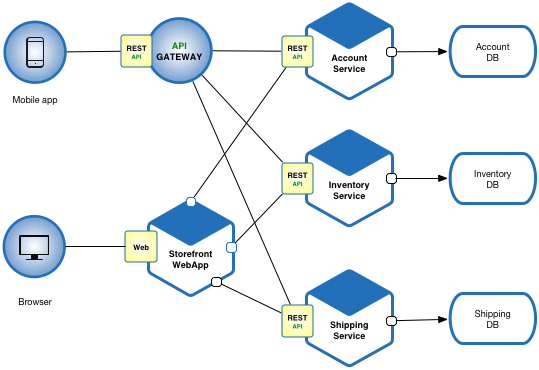
    Microservices architecture has revolutionized the way software is developed, deployed, and maintained. This approach breaks down complex applications into smaller, independent components known as microservices, each responsible for a specific function. The benefits of microservices extend from development to scalability and resilience.

    At its core, microservices architecture emphasizes modularity. Instead of building monolithic applications, developers create a network of loosely coupled microservices that communicate with each other through APIs. This modularity enhances flexibility, as each microservice can be developed, deployed, and updated independently.

    Scalability is a significant advantage of microservices. Applications built on a monolithic architecture often require scaling the entire system, which can be inefficient. With microservices, only the specific services experiencing high demand need to be scaled, optimizing resource utilization.

    Microservices also improve fault isolation and resilience. If a microservice fails, it doesn’t necessarily bring down the entire application. This isolation prevents a single point of failure and enhances overall system reliability.

    Development teams benefit from microservices architecture by enabling smaller, specialized teams to work on individual microservices. This specialization can lead to faster development cycles, as teams can focus on their specific area of expertise without being slowed down by the complexities of the entire application.

    However, microservices architecture also presents challenges. The increased number of components can make system monitoring and debugging more complex. Maintaining consistent communication between microservices requires careful design and coordination.

    Moreover, managing data consistency across microservices can be challenging. Different services might use different databases, making it crucial to implement strategies for data synchronization and management.

    Despite these challenges, microservices architecture has become a preferred approach for many modern applications. Companies like Netflix, Amazon, and Uber have adopted this architecture to create scalable, resilient, and agile systems.

    In conclusion, microservices architecture offers a more flexible, scalable, and resilient approach to software development. By breaking applications into modular components, development teams can build complex systems more efficiently and adapt to changing requirements in the ever-evolving world of technology.

  • Healthy Relationships: Nurturing Connections That Enrich Your Life

    Healthy Relationships: Nurturing Connections That Enrich Your Life

    Healthy relationships are the cornerstone of a fulfilling and happy life. Whether they’re romantic, familial, or friendships, nurturing connections with others can have a profound impact on well-being and personal growth.

    Effective communication is the bedrock of healthy relationships. Open and honest conversations build trust, resolve conflicts, and deepen understanding. Active listening, empathy, and the willingness to express needs and boundaries are crucial components of effective communication.

    Mutual respect is another vital aspect. In healthy relationships, individuals value each other’s opinions, feelings, and boundaries. Respect extends to acknowledging differences and allowing each person to be their authentic self without judgment.

    Support and encouragement are essential for growth. Healthy relationships provide a safe space where individuals can share their aspirations, fears, and challenges. Encouraging one another’s goals and providing emotional support helps both parties thrive.

    Trust is the foundation on which relationships are built. Trust involves reliability, consistency, and the belief that both individuals have each other’s best interests at heart. It takes time to develop and can be fragile, so nurturing trust is an ongoing effort.

    Healthy boundaries maintain a sense of individuality within the relationship. Boundaries define where one person ends and the other begins, ensuring that both individuals maintain their autonomy and emotional well-being. Respecting boundaries fosters a sense of safety and trust.

    Conflict is a natural part of any relationship, but it’s how conflicts are managed that determines relationship health. Healthy relationships involve resolving conflicts through respectful discussions, seeking common ground, and finding compromises. Avoiding aggressive or passive-aggressive behavior is key.

    Quality time and shared experiences build a sense of connection. Spending time together, whether through meaningful conversations, shared activities, or simply being present, strengthens bonds and creates lasting memories.

    Recognizing when a relationship is toxic or harmful is equally important. Setting healthy boundaries includes knowing when to step away from relationships that consistently bring negativity or harm.

    Overall, healthy relationships enrich life in countless ways. They provide emotional support, companionship, and personal growth opportunities. Nurturing connections that are built on communication, respect, trust, and mutual support can lead to a more fulfilling and satisfying life.

  • The Art of Journaling: Unlocking Self-Expression and Reflection

    The Art of Journaling: Unlocking Self-Expression and Reflection

    Journaling is a timeless practice that has been embraced by individuals throughout history as a means of self-expression, reflection, and personal growth. The act of putting thoughts and emotions onto paper provides a space for introspection and a record of one’s journey through life.

    At its core, journaling is a form of self-expression. It offers a private outlet for feelings, thoughts, and experiences that might be difficult to share verbally. Writing in a journal allows individuals to explore their innermost thoughts without fear of judgment, fostering self-awareness and emotional release.

    The act of journaling also encourages reflection. Regularly revisiting past entries provides an opportunity to track personal growth, patterns, and changes over time. This reflection can lead to valuable insights about one’s behaviors, motivations, and aspirations.

    Journaling can also enhance creativity. The process of putting pen to paper can stimulate the mind and encourage the generation of new ideas. Many writers, artists, and thinkers use journaling as a way to capture inspiration and explore new concepts.

    Different journaling approaches suit different individuals. Some prefer freeform journaling, where thoughts flow organically onto the page. Others find value in prompts that guide their writing towards specific themes or topics. Gratitude journals focus on positive aspects of life, while dream journals capture the subconscious through recording dreams and analyzing their meanings.

    The digital age has expanded journaling beyond traditional pen and paper. Online platforms and apps offer the convenience of journaling on smartphones or computers, allowing users to include multimedia elements like photos and videos. These digital options can make journaling more accessible and interactive for some individuals.

    The benefits of journaling extend beyond the individual. Journaling can improve communication skills, as individuals become more adept at articulating their thoughts and emotions. Moreover, sharing selected entries with trusted friends or therapists can facilitate deeper conversations and connections.

    Ultimately, journaling is a deeply personal practice that can take many forms and serve various purposes. Whether as a tool for self-reflection, a creative outlet, or a means of emotional release, journaling offers a space for individuals to explore their inner worlds and document their life’s journey.

  • Gaming Hardware Innovations: VR, AR, and Beyond

    Gaming Hardware Innovations: VR, AR, and Beyond

    The gaming industry has always been at the forefront of technological innovation, and gaming hardware is no exception. From consoles to peripherals, each advancement has shaped the way players interact with virtual worlds. Among the most transformative innovations are virtual reality (VR) and augmented reality (AR), which have opened new dimensions of immersive gameplay.

    Virtual reality takes players out of their physical surroundings and places them within a fully immersive digital environment. VR headsets and controllers track movements, allowing players to interact with the virtual world in unprecedented ways. This technology has the potential to transport players into fantastical realms, whether exploring alien landscapes or participating in heart-pounding action sequences.

    Augmented reality, on the other hand, blends digital elements with the real world. This technology overlays virtual objects onto the player’s physical environment, often through the use of smartphones or AR glasses. Games like Pokémon GO have demonstrated the potential for AR to turn everyday spaces into interactive playgrounds.

    These innovations have implications beyond gaming. VR and AR have found applications in fields such as education, healthcare, architecture, and training simulations. They offer new ways of learning, exploring, and problem-solving that are not limited by physical constraints.

    As with any technological advancement, challenges exist. The cost of entry for high-quality VR experiences can be a barrier for some players. VR headsets can also be physically cumbersome and isolating, raising concerns about social isolation and motion sickness.

    Developers are continually pushing the boundaries of what’s possible with VR and AR. They’re exploring new gameplay mechanics, refining user interfaces, and finding innovative ways to merge virtual and physical worlds seamlessly.

    Beyond VR and AR, other hardware advancements, such as improved graphics cards, faster loading times, and enhanced haptic feedback, contribute to richer and more immersive gaming experiences. The launch of new gaming consoles often serves as a catalyst for hardware innovation, prompting developers to create experiences that take advantage of the latest capabilities.

    In conclusion, gaming hardware innovations have revolutionized how players engage with virtual worlds. VR and AR technologies offer unprecedented levels of immersion, opening doors to new forms of entertainment, education, and creativity. As these technologies continue to evolve, the possibilities for gaming and beyond are limitless.

  • The Role of Mods and User-Generated Content in Gaming Communities

    The Role of Mods and User-Generated Content in Gaming Communities

    Mods (short for modifications) and user-generated content (UGC) have become integral to the gaming experience, transforming games into dynamic platforms for creativity, experimentation, and community engagement.

    Mods are user-created modifications that alter or enhance a game’s content, mechanics, or visuals. From adding new levels and characters to completely overhauling gameplay systems, mods offer players the chance to personalize their gaming experience. These modifications have given rise to entire subcultures within gaming communities, with some mods gaining widespread recognition and even being officially incorporated into games.

    UGC takes modding a step further by allowing players to contribute their content to the game’s ecosystem. This can range from creating custom skins and items to designing intricate levels and quests. UGC empowers players to become co-creators, blurring the lines between developers and the player base.

    The role of mods and UGC goes beyond individual creativity; they also extend the lifespan of games. Players are more likely to return to a game when they know that a steady stream of new content is being produced by the community. This sustains player engagement and ensures that games remain relevant long after their initial release.

    Gaming communities thrive on collaboration and shared experiences. Mods and UGC foster a sense of camaraderie among players, as they come together to discuss, share, and collaborate on projects. Online forums, social media groups, and dedicated platforms provide spaces for creators to showcase their work and for players to discover new content.

    While mods and UGC offer numerous benefits, they also pose challenges for developers. Ensuring compatibility and stability can be a complex task, especially as games receive updates and patches. Additionally, issues related to copyright and intellectual property can arise when players create content that incorporates elements from other franchises.

    However, many developers have embraced mods and UGC as extensions of their games’ ecosystems. Some have even released modding tools and software development kits to encourage player creativity and community engagement.

    In the end, mods and user-generated content have reshaped the gaming landscape, transforming games from static experiences into dynamic and collaborative platforms. They empower players to become creators, build vibrant communities, and contribute to the ongoing evolution of the games they love.

  • The Role of Film Festivals: Showcasing Innovation and Diversity in Cinema

    The Role of Film Festivals: Showcasing Innovation and Diversity in Cinema

    Film festivals are more than glamorous events; they serve as vital platforms for innovation, diversity, and creativity in the world of cinema. These festivals bring together filmmakers, industry professionals, and audiences to celebrate the art of storytelling on the big screen.

    One of the primary roles of film festivals is to provide a launchpad for new and emerging filmmakers. Independent filmmakers often struggle to secure distribution for their films, and festivals offer them a chance to showcase their work to a wide audience. Winning awards or receiving positive feedback at festivals can significantly boost a filmmaker’s career and visibility.

    Film festivals also play a crucial role in highlighting diversity in cinema. They provide a stage for films from various cultures, backgrounds, and perspectives that might not receive mainstream attention. This exposure helps broaden the horizons of both filmmakers and audiences, fostering cross-cultural understanding and appreciation.

    Industry networking is a significant benefit of attending film festivals. Filmmakers can connect with potential collaborators, investors, distributors, and other professionals who can contribute to the success of their projects. These connections often extend beyond the festival itself, resulting in long-lasting partnerships.

    For audiences, film festivals offer a unique opportunity to experience a diverse range of films that might not be available in mainstream theaters. These festivals often feature genres, styles, and narratives that challenge conventional storytelling, encouraging viewers to expand their cinematic tastes.

    Moreover, festivals can spark important conversations about social issues, artistic expression, and cultural relevance. Q&A sessions, panel discussions, and workshops allow filmmakers to engage with audiences and provide insights into their creative processes.

    While major festivals like Cannes and Sundance garner widespread attention, smaller regional and specialized festivals also play a vital role in nurturing local talent and promoting niche genres.

    In conclusion, film festivals serve as dynamic platforms that celebrate innovation, diversity, and creativity in cinema. They provide a space for emerging filmmakers to shine, promote cross-cultural understanding, and contribute to the evolution of storytelling in the film industry.

  • The Legacy of Animated Classics: Timeless Appeal in Family Entertainment

    The Legacy of Animated Classics: Timeless Appeal in Family Entertainment

    Animated classics have left an indelible mark on the world of family entertainment, captivating audiences across generations. What is it about these films that allows them to maintain their appeal even as the animation industry evolves?

    At the heart of animated classics is storytelling. These films often rely on universal themes and emotions that resonate with audiences of all ages. Whether it’s love, friendship, or the triumph of good over evil, these themes tap into the core of human experience.

    Memorable characters are another hallmark of animated classics. From Mickey Mouse to Simba, these characters become more than just images on a screen – they become cultural icons that evoke nostalgia and a sense of connection.

    The artistry of animation itself is also a significant factor. Hand-drawn or computer-generated, animation allows for imaginative worlds and fantastical adventures that are limited only by the creators’ creativity. The painstaking attention to detail and the ability to create visuals that are impossible in live-action contribute to the lasting appeal of animated classics.

    Music plays an integral role as well. Iconic songs often become inseparable from the films themselves, triggering powerful emotions and memories.

    The enduring popularity of animated classics is also due to their ability to engage both children and adults. These films are often crafted with a dual-layered approach – entertaining children with vibrant visuals and engaging stories, while slipping in clever humor and deeper themes that adults can appreciate.

    Furthermore, the re-release of these classics in various formats, such as Blu-ray editions and digital streaming, keeps them accessible to new generations while allowing older ones to revisit their childhood favorites.

    In essence, animated classics are more than just films; they’re cultural touchstones that bridge gaps between generations and encapsulate the magic of storytelling and imagination.

  • The Rise of Remote Work: Navigating the Future of Distributed Teams

    The Rise of Remote Work: Navigating the Future of Distributed Teams

    The rise of remote work has fundamentally transformed the way we view the traditional office environment. As technology advances and attitudes shift, distributed teams have become a significant aspect of the modern workforce.

    Remote work offers numerous benefits, such as increased flexibility, reduced commuting stress, and access to a global talent pool. However, it also presents challenges that need to be navigated effectively.

    Effective communication is paramount for remote teams. Utilizing a combination of messaging apps, video conferencing, and project management tools helps bridge the physical gap and fosters collaboration. Clear communication channels and regular check-ins ensure that everyone remains aligned and informed.

    Trust and accountability are cornerstones of successful remote work. Managers should focus on results rather than micromanagement, empowering employees to take ownership of their tasks.

    Setting boundaries is crucial to prevent burnout. Remote work can blur the lines between work and personal life. Encouraging employees to establish designated workspaces and define specific working hours helps maintain a healthy work-life balance.

    Virtual team-building activities and opportunities for social interaction can help replicate the sense of camaraderie that traditional office settings offer.

    From an organizational perspective, investing in cybersecurity and providing the necessary technical support are essential to safeguard sensitive data and maintain productivity.

    The future of work is undoubtedly changing, and remote work is at the forefront of this transformation. By embracing the advantages, addressing the challenges, and nurturing a culture of trust and communication, businesses can navigate the evolving landscape of distributed teams successfully.

  • Building Resilience: Adapting Your Business to Uncertain Times

    Building Resilience: Adapting Your Business to Uncertain Times

    In a world characterized by rapid changes and unforeseen challenges, the ability of a business to adapt and thrive is closely tied to its resilience. Building resilience involves developing strategies to navigate uncertainty while maintaining stability and growth.

    Resilience starts with a flexible mindset. Businesses must be willing to reevaluate their strategies, pivot when necessary, and embrace change as an opportunity rather than a threat. This involves fostering a culture of open communication, where employees are encouraged to share ideas and concerns.

    Diversification is another key aspect of resilience. Relying on a single product, service, or market can leave a business vulnerable to disruptions. By diversifying their offerings and customer base, businesses can spread risk and create alternative revenue streams.

    Financial planning plays a critical role in resilience. Maintaining healthy cash flow, setting aside emergency funds, and understanding debt management are crucial. This ensures that a business can weather unexpected financial challenges without compromising its core operations.

    Collaboration is also essential. Building strong relationships with suppliers, partners, and other stakeholders can provide access to additional resources and support during difficult times.

    Technology can be a powerful tool for resilience. Embracing digital transformation can enable businesses to streamline operations, reach new markets, and remain agile in the face of change.

    Ultimately, resilience is an ongoing journey. Businesses should regularly reassess their strategies, learn from their experiences, and continuously improve their ability to adapt to uncertain times. By doing so, they can position themselves not just to survive, but to thrive in a constantly evolving business landscape.

  • Why Cloud-Native is the Future of App Development

    Why Cloud-Native is the Future of App Development

    As the world of cloud technology rapidly evolves, cloud-native app development is leading the way in shaping the future of software innovation. Businesses and developers alike are increasingly adopting cloud-native practices to create applications that are scalable, resilient, and flexible. But why is cloud-native considered the future of app development? Let us explore the key reasons that are driving this revolution.

    1. Scalability and Flexibility

    One of the primary reasons cloud-native development is gaining traction is its inherent scalability and flexibility:

    – Elastic Scalability: Cloud-native applications can automatically scale up or down based on demand. Whether it is handling thousands of users during peak times or scaling down when traffic is low, cloud-native architectures ensure that applications can adapt without manual intervention.

    – Microservices Architecture: Cloud-native applications are built using microservices, where each service is responsible for a specific function. This modular approach allows individual services to be scaled independently, offering greater flexibility compared to traditional monolithic architectures.

    2. Faster Time-to-Market

    Speed is crucial in today’s competitive business environment, and cloud-native development enables faster delivery of applications:

    – Continuous Integration and Continuous Deployment (CI/CD): Cloud-native development embraces CI/CD pipelines, automating the testing and deployment process. This allows developers to release updates, bug fixes, and new features faster and more frequently.

    – Agile Development: Cloud-native fosters an agile development approach, where teams can work on different components of an application concurrently, resulting in shorter development cycles and quicker time-to-market.

    3. Cost Efficiency

    Managing costs is a priority for businesses, and cloud-native development offers a cost-effective solution:

    – Pay-as-You-Go: Most cloud platforms operate on a pay-as-you-go pricing model, meaning businesses only pay for the resources they use. This model helps companies avoid the costs of over-provisioning and allows them to scale resources based on actual needs.

    – Optimized Resource Utilization: Cloud-native architectures are designed to use resources efficiently. Tools like Kubernetes automate resource allocation and ensure that containers and workloads are distributed optimally across infrastructure, reducing wasted computing power.

    4. Resilience and High Availability

    Cloud-native applications are built with resilience in mind, ensuring that they can withstand failures and maintain high availability:

    – Distributed Systems: Cloud-native apps are typically distributed across multiple cloud servers, data centers, or regions. This redundancy ensures that if one server fails, others can take over without disrupting the user experience.

    – Self-Healing Systems: Platforms like Kubernetes offer self-healing capabilities, meaning they can automatically replace failed containers, scale resources to meet demand, and restart services without manual intervention.

    5. DevOps and Automation

    Cloud-native development embraces DevOps practices, bringing together development and operations teams to work in harmony:

    – Infrastructure as Code (IaC): Cloud-native environments utilize IaC tools such as Terraform and AWS CloudFormation, allowing teams to define and manage infrastructure through code. This automates the provisioning and scaling of resources, reducing the need for manual intervention.

    – Automated Monitoring and Scaling: Tools like Prometheus, Grafana, and cloud-native service meshes provide real-time monitoring of application health and performance. Automated scaling tools ensure that applications always have the right amount of resources, improving efficiency.

    6. Security and Compliance

    As cloud-native adoption grows, security and compliance features are becoming integral to cloud platforms:

    – Granular Security Controls: Cloud-native applications allow for security to be managed at the microservice level. This granular approach ensures that different services within the same application can have tailored security policies, minimizing risk.

    – Compliance as a Service: Many cloud providers offer built-in compliance tools, which help businesses meet regulatory requirements such as GDPR, HIPAA, or SOC 2. These tools automate audits, reporting, and data encryption, ensuring that applications meet industry standards.

    7. Global Reach

    Cloud-native applications have the ability to serve a global audience efficiently:

    – Multi-Region Deployment: Cloud-native apps can be deployed across multiple regions, ensuring low-latency performance for users no matter where they are located. This global reach allows businesses to scale their applications worldwide without complex infrastructure management.

    – Edge Computing Integration: With edge computing, businesses can deploy cloud-native apps closer to the end user, reducing latency and improving performance for real-time applications such as gaming, AI, or IoT devices.

    8. Innovation and Future-Proofing

    Cloud-native development is not just a trend—it is a foundation for future innovation:

    – Serverless Computing: Cloud-native is closely tied to the rise of serverless computing, where developers can focus solely on code without worrying about the underlying infrastructure. Serverless platforms like AWS Lambda enable developers to build and deploy functions that automatically scale based on demand, further streamlining the development process.

    – AI and Machine Learning Integration: Many cloud platforms offer built-in AI and machine learning services. By building applications in a cloud-native environment, businesses can seamlessly integrate intelligent algorithms and data analysis tools to drive innovation.

    – Hybrid and Multi-Cloud Architectures: The future of cloud-native development includes hybrid and multi-cloud strategies, where applications can run seamlessly across multiple cloud providers or in conjunction with on-premises infrastructure. This approach offers flexibility and reduces dependency on a single cloud provider.

    Conclusion: Cloud-Native is the Future

    Cloud-native development is more than a trend—it is a paradigm shift that empowers developers and businesses to build, deploy, and scale applications with unprecedented speed, resilience, and efficiency. The combination of microservices, containers, DevOps, cloud computing technology, and cloud platforms offers a future-proof strategy for modern application development.

    As businesses strive to meet the demands of a rapidly changing digital landscape, embracing cloud-native principles ensures they remain agile, competitive, and innovative. The future of app development is undeniably cloud-native, and those who adopt this approach will be better equipped to navigate the challenges and opportunities that lie ahead.