Author: zephyrpost.com

  • Why the Right Thermostat Can Change the Way You Experience Comfort at Home and Work

    Why the Right Thermostat Can Change the Way You Experience Comfort at Home and Work

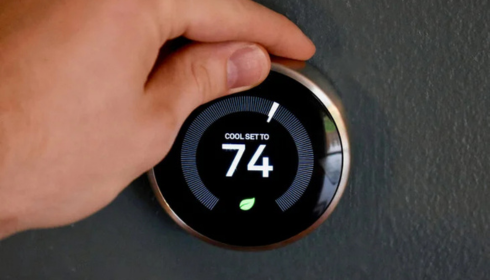
    It’s funny how something as small as a thermostat, a device most of us barely glance at during the day, quietly dictates so much of our comfort. You don’t think about it when the room feels just right, but you absolutely notice when it doesn’t. Too hot, too cold, inconsistent—it’s usually that little box on the wall pulling the strings. And in a place like Oklahoma City, where the weather flips faster than you can say “layer up,” having a reliable thermostat setup isn’t just a convenience, it’s survival.

    I’ll be honest—most people don’t wake up thinking, “Today, I’m going to learn about thermostats.” But if you’ve ever battled high utility bills, inconsistent room temperatures, or a stubborn heating and cooling system, you start realizing how important it really is. That’s where professional thermostat installation OKC services come into play. It’s not just about slapping a gadget on the wall; it’s about making sure your comfort levels, energy use, and system performance all line up the way they should.


    Why Thermostats Matter More Than You Think

    Let’s zoom out for a second. A thermostat isn’t just a switch—it’s the brain of your heating and cooling system. Imagine a car without a dashboard. Sure, it might drive, but you’d have no idea how fast you’re going or when the gas tank is about to hit empty. That’s what your HVAC would be like without a thermostat: blind and inefficient.

    The right thermostat can actually save you money. Smart models adjust automatically, old-school programmable ones let you schedule temperatures, and even the most basic ones give you a level of control that keeps the bills from spiraling. The wrong one, though? That’s where problems start—rooms that never feel comfortable, constant adjustments, and unnecessary strain on your HVAC.


    When Comfort Meets Business: Commercial Spaces

    If you’re a business owner, comfort isn’t just about feeling cozy—it directly affects your bottom line. Picture a restaurant that’s too warm in the summer or an office that’s freezing in January. Customers notice, employees complain, and productivity dips. That’s why commercial thermostat repair services are a lifesaver for businesses.

    Commercial systems are more complex than home units. They’re designed to handle larger spaces, heavier usage, and multiple zones. When something goes wrong with the thermostat in these setups, it’s not just inconvenient—it can cost serious money. Energy waste skyrockets, customers don’t linger, and staff morale takes a nosedive. Keeping those thermostats working smoothly means creating a space where people actually want to be.


    The Overlooked Hero: Wiring

    Now, here’s the part no one really talks about—wiring. You’d be surprised how many thermostat issues boil down to tangled, damaged, or poorly connected wires. It’s one of those invisible things that feels minor until suddenly your system won’t turn on or starts blasting cold air when you need heat.

    That’s where a professional thermostat wiring repair service makes all the difference. It’s not exactly a DIY Saturday project. One wrong connection and you could fry your system, or worse, create a safety hazard. Wiring problems don’t just stop the thermostat from working; they mess with the communication between your thermostat and HVAC. Think of it like static on a phone call—you can’t get the message across properly. Getting that wiring sorted by a pro saves endless frustration and often extends the life of your whole heating and cooling setup.


    Signs Your Thermostat Needs Attention

    Here’s a quick reality check: thermostats aren’t immortal. Like any other piece of tech, they wear out, glitch, or simply become outdated. If you’re not sure whether it’s time to call in help, look out for these signs:

    • Constant adjustments – If you’re fiddling with the dial all day, something’s off.
    • Random temperature swings – One minute it’s too hot, the next it’s too cold.
    • Unresponsive screen or controls – Obvious, but easy to ignore.
    • Rising utility bills – Energy costs creeping up for no reason? Could be your thermostat.
    • System won’t start or stop – If your HVAC is ignoring commands, the thermostat may be the culprit.

    If any of this feels familiar, don’t brush it aside. The longer you wait, the more stress you put on your system, and that translates into higher costs down the road.


    Why DIY Isn’t Always the Answer

    We live in a YouTube tutorial world, where everyone thinks they can fix anything with a screwdriver and a ten-minute video. And while I admire the spirit, thermostats often require a little more finesse.

    Between electrical wiring, compatibility issues with modern HVAC systems, and the need for calibration, DIY often ends up costing more in the long run. Sure, you might get it to work temporarily, but if it’s wired wrong or poorly installed, you’ll feel it in your energy bills and eventual repair costs. Sometimes, calling in the professionals from the start isn’t just smarter—it’s cheaper.


    Making the Right Call

    So, how do you know what to do? If you’re setting up a new system, moving into a house with an ancient thermostat, or running a business where comfort equals revenue, it’s worth investing in expert help. Installation, repairs, wiring—it’s all part of keeping things running the way they should.

    The good news is, once you have it set up correctly, a thermostat doesn’t demand much attention. It quietly does its job in the background, letting you live, work, and relax without worrying about whether your HVAC is going to act up.


    Wrapping It Up

    Thermostats may not be glamorous, but they are absolutely essential. They shape the comfort of our homes, influence the productivity of our workplaces, and keep energy costs from spiraling out of control. Whether you’re thinking about thermostat installation OKC, dealing with the challenges of commercial thermostat repair, or calling for a quick thermostat wiring repair service, the point is the same—don’t underestimate this small but mighty device.

    A reliable thermostat isn’t just about temperature. It’s about peace of mind, comfort, and efficiency. The next time you feel that perfectly balanced room, maybe give a little nod of appreciation to the box on the wall. It’s doing more than you think.

  • The Timeless Appeal of Iron Doors: Style That Lasts Beyond Trends

    The Timeless Appeal of Iron Doors: Style That Lasts Beyond Trends

    There’s something about walking up to a home and being greeted by a door that feels more like a statement than just an entryway. A front door is often underestimated, but it’s the very first impression your home makes. Iron doors, in particular, have stood the test of time. They’re not just strong; they carry a certain timeless elegance that doesn’t get lost in shifting design fads. And when you dig a little deeper, you realize they’re not nearly as unattainable as they sometimes look.

    Think about it—our ancestors used heavy wooden or iron-clad doors to protect their homes and castles. Fast forward a few centuries, and the essence hasn’t changed much. We still want safety, yes, but also character and beauty. Iron doors strike that balance.


    When Style Meets Durability

    You can’t really talk about iron doors without mentioning their sheer resilience. Unlike wood, which can warp or rot, or fiberglass that might fade over time, iron remains steadfast against the elements. Whether it’s rain hammering down, snow piling up, or the summer sun blazing, an iron door doesn’t just endure—it ages gracefully.

    But durability doesn’t mean boring. Today’s designs range from clean, minimalist lines to intricate scrollwork that looks almost hand-drawn. And because they’re crafted with such attention to detail, they elevate a home instantly. Even a modest house can feel transformed when its entrance has that solid, artistic weight.

    And yes, you can find affordable iron doors that don’t require you to empty your savings account. It’s not only mansions or luxury villas that get to enjoy them. Many manufacturers now cater to homeowners who crave quality but need to stay within a budget.


    The Craftsmanship Factor

    Here’s where iron doors really shine: craftsmanship. Walk into a showroom, and you’ll notice the small things first—the way the handles sit just right, the balance of the frame, or the smoothness of the finish. It’s art disguised as functionality.

    Modern iron doors aren’t just slabs of metal either. They often incorporate glass panels—sometimes frosted, sometimes clear, sometimes even operable so you can swing them open for ventilation. This marriage of iron and glass gives the door a softer touch while still keeping that bold, grounded presence.

    It’s also worth noting how much customization plays a role. From the size of the panels to the curve of the design, you can make an iron door feel distinctly yours. And honestly, that’s a big part of the charm—it doesn’t just feel like a purchase, it feels like a personal upgrade to your space.


    Why Quality Matters More Than Ever

    We live in a world where everything seems temporary. Furniture lasts a few years before it gets replaced. Phones are swapped out annually. Even homes are flipped or remodeled every decade. But there’s something refreshing about investing in a piece that’s designed to stick around.

    That’s exactly why High-Quality Iron Doors are worth the attention. They don’t just hold up physically; they add value to your home, not just for resale but for the everyday experience of living there. Imagine the comfort of knowing your front door won’t creak or peel or need constant refinishing. Instead, it greets you every day with the same strength and style you fell in love with at the beginning.


    A Digital Shift in Shopping

    It wasn’t too long ago that buying something as big as a front door meant trips to warehouses, flipping through catalogues, and crossing your fingers that the installer would get the measurements right. Today, the landscape is different.

    With the rise of e-commerce, you can now Buy Doors Online—iron ones included. That might’ve sounded crazy ten years ago, but now it’s a reality. From virtual showrooms to detailed specifications, you can pick, customize, and even arrange for professional installation without ever stepping into a store.

    Of course, buying online comes with its own considerations. You want to make sure the retailer is reputable, check reviews carefully, and, if possible, confirm details like warranties and return policies. But the convenience? That’s hard to beat. You can sit in your living room, scroll through dozens of styles, compare prices, and make an informed decision without pressure from a salesperson hovering over your shoulder.


    Finding the Right Fit for Your Home

    Choosing the right iron door isn’t about going for the most elaborate design or the heaviest frame. It’s about matching your home’s personality. A sleek, modern house pairs beautifully with simple, geometric iron patterns. A more traditional or rustic property might call for sweeping scrolls and warmer finishes.

    And don’t forget color. While black remains a classic favorite, bronze, copper, and even lighter tones are finding their way into more homes. Each shade shifts the feel—from bold and dramatic to warm and inviting.

    Installation is equally important. Even the most gorgeous door will fall flat if it isn’t fitted properly. That’s why working with skilled installers, or relying on the ones recommended by your supplier, can make all the difference in how your door functions and looks in the long run.


    The Final Thought

    At the end of the day, an iron door is more than an entrance. It’s a handshake from your home, a first impression, and a long-term investment in both style and security. Trends will come and go, but the weight, strength, and artistry of iron doors remain reassuringly steady.

  • Why Softer Water Makes Life Simpler at Home

    Why Softer Water Makes Life Simpler at Home

    There’s a quiet frustration that comes with dealing with hard water. You don’t notice it right away. It sneaks in slowly—soap that never quite lathers, streaky glassware, dry skin that no moisturizer seems to fix. If you’ve ever tried scrubbing endlessly at cloudy shower doors or replacing appliances way sooner than expected, chances are you’ve crossed paths with the hidden culprit: mineral-heavy water.

    Hard water is such a common household headache that people often shrug it off as “just how things are.” But here’s the thing—it doesn’t have to be. The difference between living with untreated water and having properly softened water is night and day. Once you’ve experienced the convenience of the right system, going back feels impossible. And that’s where a reliable hard water solutions service becomes less of a luxury and more of a smart investment.


    Why Hard Water Becomes Such a Daily Nuisance

    Hard water isn’t inherently unsafe, but it’s tough on both your home and your lifestyle. Think about the small annoyances that add up over time: laundry that feels scratchy, coffee makers that break down from scale buildup, faucets losing pressure because of mineral deposits clogging the lines. It’s not just inconvenient—it’s expensive.

    Appliance manufacturers rarely advertise this, but untreated water quietly shortens the lifespan of dishwashers, washing machines, and even water heaters. Those minerals build up inside, forcing the system to work harder until it finally gives up. Multiply that by a household of gadgets, and suddenly water that’s “just a bit hard” starts draining your wallet.


    The Case for a Whole-House Approach

    Some folks try little fixes—like attaching a small filter to one faucet or sticking with bottled water for drinking—but those are band-aid solutions at best. What really makes a difference is tackling the problem at the source, before it spreads through every pipe and appliance in the house.

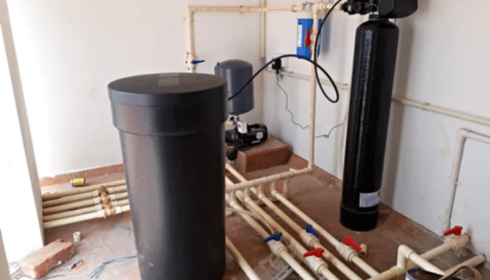
    That’s why a whole house water softener installation feels like such a turning point. Instead of fighting the same battles in the kitchen, bathroom, and laundry room separately, you deal with the root cause in one sweep. Suddenly, showers feel fresher, clothes come out softer, and your hot water heater runs like it’s brand new again. The ripple effect is incredible—you save time cleaning, money on repairs, and energy on daily chores.

    And let’s be honest: there’s something almost luxurious about stepping out of a shower where the water actually rinses clean, no sticky film left on your skin. It’s one of those “you don’t know what you’re missing until you try it” kind of upgrades.


    The Personal Side of Soft Water

    People usually start looking into water treatment when they hit a breaking point—maybe after yet another plumber visit or the third time replacing a kettle in two years. But what surprises them most isn’t just the practical benefits; it’s the everyday comfort they didn’t realize they were missing.

    Families often tell stories about how their kids’ eczema eased up, or how they cut down on lotions and conditioners because soft water simply felt gentler. Others notice their cooking improves—pasta boils better, coffee tastes smoother, vegetables keep their color. These aren’t abstract perks; they’re small, tangible wins that change how your home feels day to day.

    It’s easy to dismiss water quality as “just a technical thing,” but in reality, it shapes the rhythm of daily life in ways we rarely pause to consider.


    Keeping It Running Smoothly

    Like any system in your home, water softeners work best with a little upkeep. Thankfully, maintaining them isn’t complicated. A reputable residential water softener service can handle the occasional check-up, salt refills, or part replacements, making sure everything runs without a hitch.

    That’s the beauty of it—you don’t need to become an expert in valves and resin tanks. You just get to enjoy the benefits while professionals keep the system in top shape. A good provider won’t just install and disappear; they’ll stick around with guidance, tips, and service when needed. Think of it as a quiet partnership where the payoff is a smoother, cleaner, more comfortable home environment.


    Why Now’s the Right Time

    There’s no “perfect” time to tackle water problems—life’s too busy for that. But there is a point where it makes sense to stop patching symptoms and address the actual cause. If your utility bills keep creeping up, your appliances are wearing down faster than they should, or you’re simply tired of scrubbing away stubborn white spots, then maybe that time is now.

    Water treatment doesn’t just solve a problem; it adds value to your home, comfort to your routine, and even a little peace of mind. And really, isn’t that what home should be about?


    Closing Thoughts

    Water is one of those invisible backdrops of daily life—we don’t think much about it until it causes trouble. But once you make the switch to softer, cleaner water, the difference is unforgettable. From the way your laundry feels to the taste of your morning coffee, it’s the kind of change that quietly transforms routines you thought were set in stone.

  • Finding Clarity in Water: Why Treatment and Testing Matter More Than Ever

    Finding Clarity in Water: Why Treatment and Testing Matter More Than Ever

    Water is one of those things we often take for granted. You turn on the faucet, fill a glass, and that’s that. But if you’ve ever noticed a strange taste, an odd odor, or stubborn spots on your dishes, you already know that water quality isn’t always as straightforward as we’d like. In fact, across much of the U.S., people are waking up to just how crucial it is to not only treat their water but also truly understand what’s in it. And honestly? Once you dive into the subject, it’s hard to unsee.

    Clean, healthy water doesn’t just magically happen—it takes effort, awareness, and often a bit of investment. But here’s the good news: the options for treatment and testing have expanded dramatically in recent years. Whether you’re in a bustling city or a quiet Texas town, there are ways to make sure your water is something you can actually feel good about drinking, cooking with, and bathing in.


    The Rise of Everyday Water Treatment

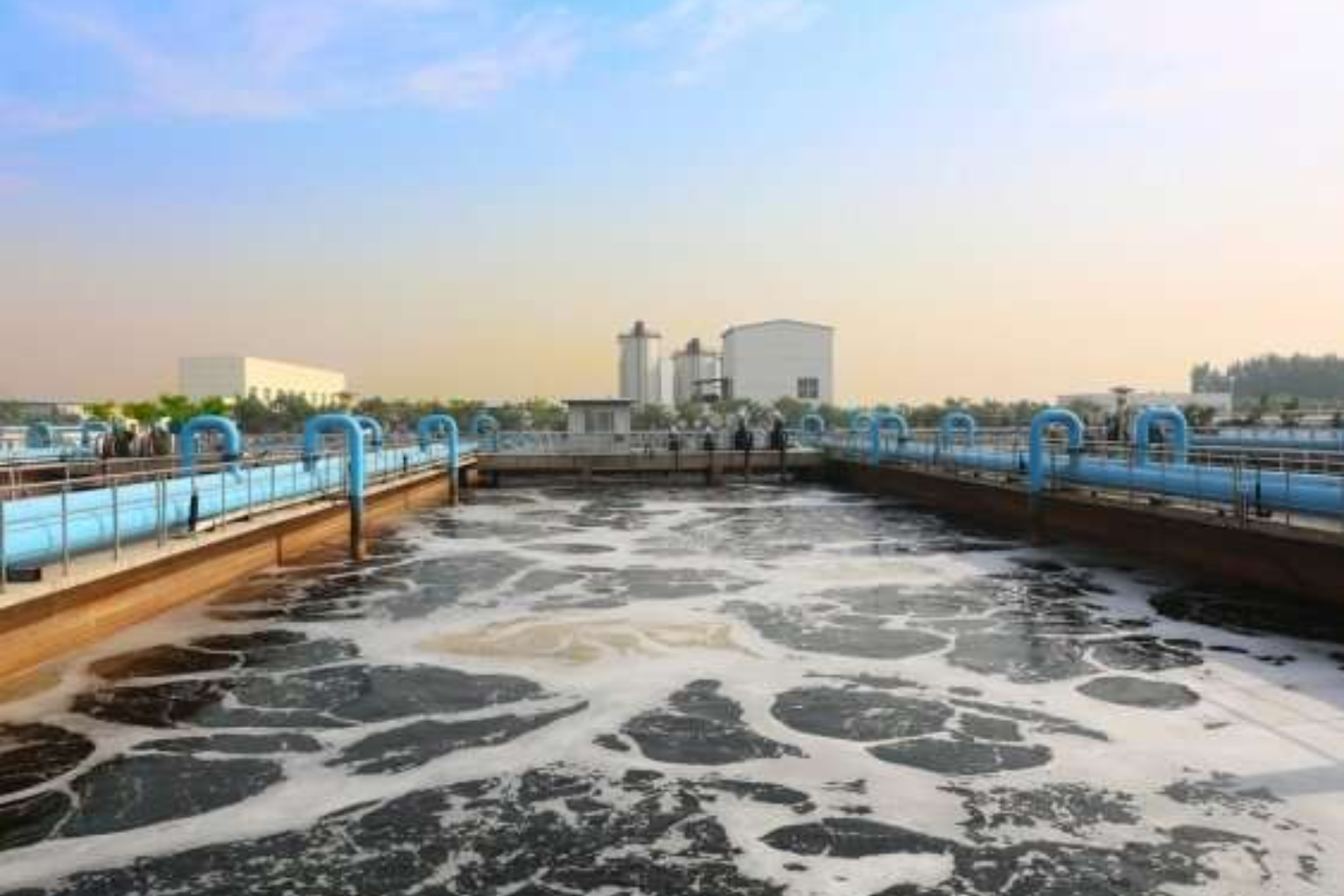
    Not so long ago, water treatment was mostly thought of in terms of big facilities or municipalities. Ordinary households weren’t really part of the conversation unless there was a problem. That’s shifted. Now, homeowners are looking for Affordable water treatment near me, not because something catastrophic has happened, but because they want peace of mind.

    And who can blame them? Between headlines about contaminants and the simple desire for better-tasting water, treatment solutions are becoming as common as home security systems. It’s not about paranoia—it’s about being proactive. A small investment today can spare you from health issues, appliance damage, or constant frustrations down the road.


    Why Reverse Osmosis Has Become a Household Favorite

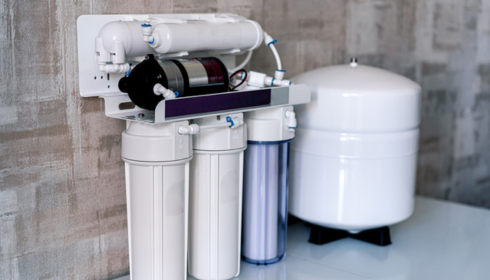
    If there’s one technology that gets mentioned again and again in the conversation around water, it’s reverse osmosis. The name sounds scientific, maybe even intimidating, but the concept is fairly simple. It’s a filtration process that pushes water through a semi-permeable membrane, leaving behind impurities and giving you crisp, clean water on the other side.

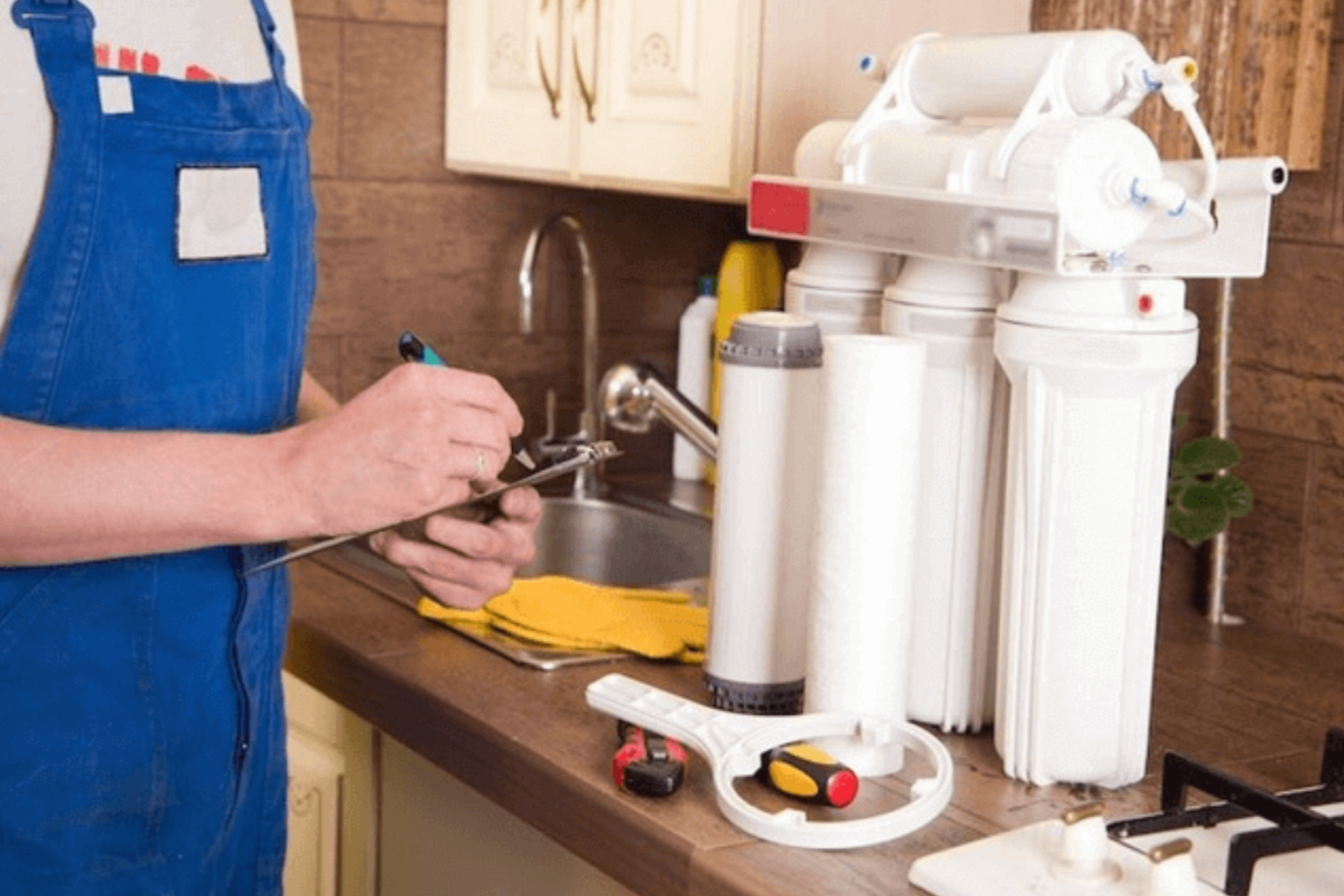
    People in Texas, in particular, have been gravitating toward these systems. With hard water being such a common issue in the state, a Reverse osmosis system Texas setup doesn’t just solve taste problems—it can also cut down on scale buildup in appliances, extend the life of plumbing, and give your whole home a fresher feel.

    There’s something almost indulgent about pouring a glass of water that tastes like it came from a mountain spring, especially when it’s right out of your kitchen tap. But beyond the taste, RO systems provide reassurance. You don’t have to wonder what might be lurking in your water—you already know it’s been filtered out.


    The Overlooked Hero: Testing Before Treating

    Here’s the thing, though. Installing filters or softeners without testing your water first is a bit like buying medicine without seeing a doctor. You’re hoping it helps, but you’re basically guessing. That’s where professional testing comes into play, and it’s often the step people skip.

    The reality is, your water’s story is unique. What works for your neighbor may not be right for you. Some households struggle with excess minerals, while others might be dealing with trace contaminants. By using Professional water testing services TX, homeowners can get a clear snapshot of their water quality and, more importantly, tailor their solutions to fit the actual problem.

    Think of it like this: you wouldn’t design a home without a blueprint. Why design your water system without knowing the details? Testing is the blueprint, and everything else—filtration, softening, treatment—builds from there.


    Everyday Benefits That Add Up

    It’s easy to focus on the big, scary contaminants when we talk about water. But the everyday perks are just as important. Proper treatment can mean softer laundry, fewer skin irritations, better-tasting coffee, and longer-lasting appliances. Those are the small wins that improve your daily life in quiet but meaningful ways.

    And let’s not forget the environmental impact. When you trust your home’s water, you’re less likely to buy endless cases of bottled water. That’s less plastic waste, less money spent, and fewer guilty feelings every time you throw another bottle into the recycling bin.


    Choosing the Right Path Without the Noise

    The hardest part of navigating the water treatment world today is the sheer amount of information (and misinformation) floating around. One company insists you need a certain type of filter; another swears by a completely different system. It can feel overwhelming.

    The best approach? Slow down and focus on what your household really needs. Start with testing, listen to recommendations that are backed by data rather than hype, and take it step by step. Sometimes a simple under-sink filter will do the trick. Other times, a full-home system makes sense. There’s no one-size-fits-all, and that’s okay.


    A Closing Thought: Water Is Personal

    When you strip it down, water isn’t just a utility. It’s personal. It’s the morning coffee you rely on, the shower that wakes you up, the pasta you cook for family dinners. The quality of that water shapes your health, your comfort, and even your peace of mind.

  • Why Clean Water at Home Matters More Than Ever

    Why Clean Water at Home Matters More Than Ever

    There’s something quietly powerful about turning on a faucet and trusting the water that comes out. Most of us don’t really think about it—we fill a glass, brew coffee, wash vegetables, run a bath. Water just flows, simple and steady, and it feels like one of those things that should always be safe. But if you’ve ever lived in a place where the tap water tasted a little “off” or carried a faint odor, you know the uneasy pause that creeps in. Clean water isn’t something we can take lightly, especially in states like Texas, where both aging infrastructure and naturally hard water can make things tricky.

    Lately, more families are realizing that bottled water isn’t a long-term solution, and pitchers with replaceable filters don’t exactly cut it when you’re cooking, showering, or filling up a pet’s bowl. What’s needed is something deeper—something built to handle water quality at the source, right where it enters the home.

    The Personal Side of Water Quality

    I remember visiting a friend in Houston who joked that their tap water had a “minerals-with-a-kick” flavor. It wasn’t dangerous, but it certainly didn’t taste fresh. The funny thing is, once you start paying attention to the quality of water in your home, it’s hard to un-notice. Soap doesn’t lather as well, laundry feels rougher, dishes dry with those cloudy spots. And then there’s the nagging thought: if the water is affecting the look and feel of things, what’s it doing to my body over time?

    That’s why people are willing to invest in something that brings peace of mind. A trusted water filtration company Texas homeowners can lean on isn’t just selling a product—it’s really offering confidence. Because at the end of the day, water touches almost every part of life.

    Why Local Matters in Choosing a Provider

    In an age where you can order almost anything online, water treatment is one of those services where local presence still makes a world of difference. You want technicians who understand your area’s water reports, who’ve dealt with the quirks of nearby municipal systems, who know that what works well in Dallas may need tweaks in San Antonio or Sugar Land.

    That’s why when people type “Southern Water Solutions near me” into their search bar, they’re not just hoping for convenience. They’re looking for a team that’s right around the corner, ready to install, maintain, and troubleshoot without weeks of delay. Water systems aren’t plug-and-play gadgets—they’re living parts of your home’s infrastructure. Having experts nearby is worth its weight in gold.

    Beyond a Filter Pitcher

    For anyone still relying on small, store-bought filters, here’s a simple truth: those are Band-Aids, not solutions. They might improve taste a bit, but they don’t address what’s happening behind the scenes—the buildup in your pipes, the hard water scaling your appliances, the invisible contaminants that slip through.

    That’s why so many families are choosing whole home water treatment services instead. It’s like the difference between wearing noise-canceling headphones versus soundproofing your entire house. One’s a quick fix, the other is a full transformation. When your entire home is covered, every tap, every shower, every load of laundry benefits. It’s not just about taste anymore—it’s about lifestyle.

    The Overlooked Benefits

    Sure, we all care about safety and taste, but there are underrated perks to having a reliable system in place. For starters, think about your plumbing and appliances. Hard water can shave years off the life of a dishwasher or water heater. Installing a proper treatment system is like giving your home a protective shield.

    And then there’s the skin and hair factor. People often notice that after switching to treated water, their showers feel different—less drying, less irritation. It’s the kind of subtle shift that sneaks up on you until you realize you’re not reaching for lotion as often.

    Finally, the environmental angle: cutting back on plastic bottles. If you’re drinking filtered water at home, you’re less tempted to grab a case of disposable bottles at the store. It feels good to know you’re saving money while also shrinking your footprint.

    Finding the Right Fit

    Choosing a system can feel overwhelming. Do you need reverse osmosis? A softener? A combination unit? The best way forward is usually starting with a professional water test. Many companies offer them free or at a low cost. It’s a small step that answers the big question: what’s really in my water?

    From there, a reputable provider should walk you through the options without pushing what you don’t need. Good service always feels collaborative, not salesy.

    Wrapping It All Together

    At the end of the day, water is one of those things you only truly notice when something feels off. But it doesn’t have to stay that way. With the right system in place, the water you drink, cook with, and bathe in can feel as natural as it’s meant to.

  • When Appliances Break Down: Finding Trustworthy Repair Help in Columbia

    When Appliances Break Down: Finding Trustworthy Repair Help in Columbia

    There’s nothing quite like the sinking feeling of opening the fridge and realizing it’s no longer cold. Or standing in front of a washer full of clothes that refuses to drain. Appliances, for all the convenience they bring into our lives, have a way of choosing the worst possible moments to act up. And when they do, you’re left scrambling — not just to fix the problem, but to find someone you can trust to actually handle it right.

    Columbia is no small town, and there are plenty of people offering repair services. But that’s also where the challenge lies. How do you know who’s truly reliable and who’s going to leave you with a half-fixed machine and a bigger bill than you expected? It takes a little digging, and often a little gut instinct, to figure that out.


    Why Local Experience Matters

    One of the most overlooked things when choosing a repair service is local experience. It’s not just about being able to fix a fridge, stove, or washer — it’s about understanding the climate, the common brands used in the area, and even how utility conditions affect appliances over time. Someone who has been working in Columbia for years has probably seen the same problems again and again, and that familiarity makes them more efficient.

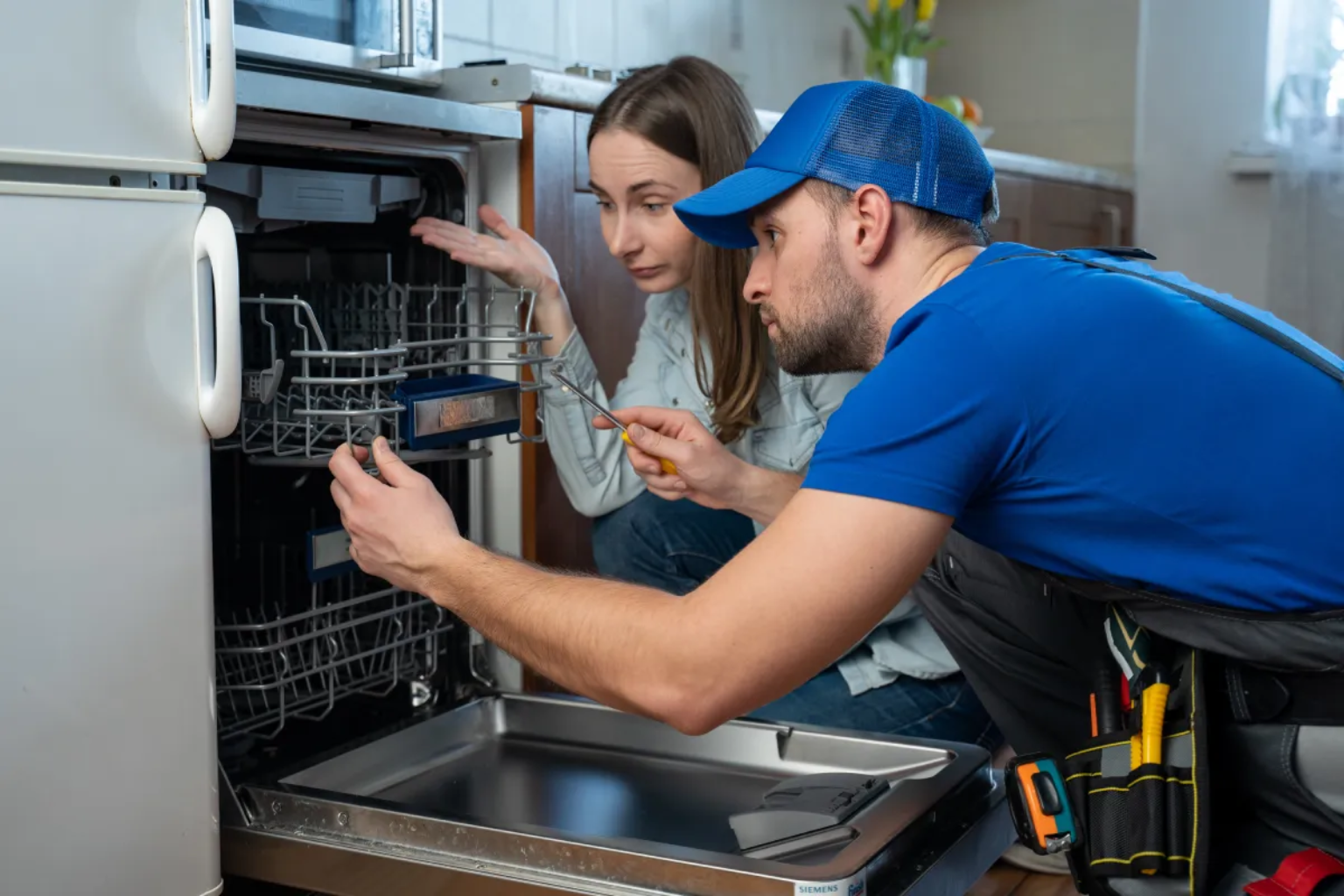
    For bigger issues, especially those that involve essential machines like refrigerators, ovens, or dryers, you don’t want to gamble. This is where turning to trusted major appliance repair Columbia SC providers makes sense. They’re not just general handymen tinkering on the side — they’re professionals who know the ins and outs of everything from high-end ranges to older, stubborn dishwashers.


    The Human Side of Appliance Repair

    Something people rarely talk about is how personal appliance problems can feel. Think about it: these machines are part of your daily rhythm. A broken dryer means scrambling to hang clothes or make late-night laundromat runs. A dead oven throws off dinner plans for days. It’s frustrating, yes, but it can also make you feel like your home is out of sync.

    Good technicians understand that. They’re not just there to tighten a bolt or swap out a motor. They bring a little bit of calm to what feels like chaos. The best ones explain what went wrong, give you honest advice about whether fixing or replacing makes more sense, and don’t make you feel foolish for asking questions.

    That kind of reassurance is what people remember. Years down the line, when another appliance gives you trouble, you’ll call the same folks again — not just because they fixed it, but because they treated you with respect.


    Why Reputation Isn’t Just a Buzzword

    It’s tempting to jump on Google, type in “appliance repair near me,” and call the first name that pops up. Sometimes that works. More often, it doesn’t. Reviews, word-of-mouth recommendations, and even a company’s history in the community matter more than fancy advertising.

    Take Sloan appliance technicians, for example. Around Columbia, their name comes up often in conversations about trusted repairs. Not because of slick slogans, but because neighbors, friends, and coworkers have had genuinely positive experiences. In a field where trust is everything, that kind of reputation is gold.


    The Balancing Act: Cost vs. Quality

    Let’s be honest — nobody likes paying for appliance repair. When the bill arrives, it’s always higher than you hoped. But here’s the tricky thing: going with the cheapest option often means paying more later. Quick fixes that don’t last, wrong parts, or sloppy work can send you right back to square one.

    It’s worth remembering that the goal isn’t just to get the machine running again today. It’s to extend its life, keep it efficient, and save yourself the expense of an early replacement. That’s where professional home appliance repair services come in. They may charge a bit more upfront, but in return, you’re buying reliability and peace of mind. And frankly, those are worth far more than shaving twenty bucks off the service call.


    A Few Practical Tips Before You Call

    If you’re facing appliance trouble right now, here are a few simple things to consider before picking up the phone:

    • Check the basics first. Sometimes it really is just a tripped breaker or an unplugged cord.
    • Know your model number. Having it ready saves time and helps the technician bring the right parts.
    • Ask about warranties. Some repairs and parts are covered longer than you think.
    • Don’t wait too long. Small issues can snowball into big ones fast, especially with things like refrigerators.

    Taking these little steps puts you in a stronger position when talking with a repair service.


    Closing Thoughts

    At the end of the day, appliances are like the unsung heroes of a home. You don’t notice them when they’re doing their job, but the moment they stop, everything feels off balance. Finding someone dependable to put things right isn’t just about convenience — it’s about restoring normalcy and keeping your household running smoothly.

    Columbia has its fair share of options, but the key is seeking out those with proven skill, honest communication, and a reputation built on real trust. Whether it’s a finicky washer or a refrigerator on its last legs, knowing you’ve got the right people on your side makes all the difference.

  • When Methane Finds Its Way Into Water: What You Should Know and How to Handle It

    When Methane Finds Its Way Into Water: What You Should Know and How to Handle It

    Water has always carried a quiet sort of trust. You turn on the tap, fill a glass, and expect it to be safe—simple as that. But every so often, something invisible sneaks in, turning what should be harmless into a potential hazard. One of those culprits is methane, a colorless, odorless gas that, oddly enough, isn’t usually thought of when we talk about water problems. Yet, in certain regions, it’s there, bubbling quietly in wells and aquifers, unnoticed until someone strikes a match too close or tests their water more carefully.

    It feels strange, doesn’t it? Methane belongs in natural gas pipelines or maybe deep underground, but certainly not in your kitchen faucet. Still, here we are—discussing methane in water treatment and why it’s worth paying attention to if your home relies on groundwater.


    Why Methane Ends Up in Your Drinking Water

    The science behind it is oddly fascinating, though unsettling at the same time. Methane can seep into groundwater through natural geological formations or from human activities like drilling and fracking. Imagine pockets of gas trapped deep below the earth, slowly escaping through cracks and faults until they dissolve into the water table. Once it’s in, it doesn’t just vanish.

    The good news is that methane in water typically isn’t toxic to drink in the same way heavy metals or bacteria can be. The real danger is physical rather than chemical: methane is highly flammable. Enough buildup inside pipes or enclosed spaces could turn into an explosion risk. Even if the odds sound low, it’s not something you want hanging over your family every time you pour a glass.


    The Invisible Challenge of Gas in Water

    Unlike chlorine or iron that leave obvious tastes or stains, methane doesn’t announce itself. There’s no smell, no color. People often only discover it through professional testing—or the dramatic way bubbles show up in a glass of freshly drawn well water. Sometimes it even escapes audibly, a faint fizzing sound that seems more suited to soda than a sink.

    The process of tackling this issue falls under gases removal from water, which sounds technical but is really just about making sure what you drink doesn’t double as a safety hazard. It’s part science, part engineering, and part peace of mind. Removing gases like methane, carbon dioxide, or hydrogen sulfide often involves aeration systems that let water and air mix, giving those unwanted gases a chance to escape before the water flows into your home.


    When a Filter Becomes More Than Just a Filter

    For many homeowners, the idea of fixing methane contamination comes down to specialized filtration setups. Not every filter is built for the job, though. This isn’t like swapping out a simple carbon cartridge under the sink. Instead, systems are designed to vent methane safely out of the water, usually before it enters household plumbing.

    A well water methane filter can take a few different forms, from atmospheric tanks that allow gas to escape into the open air to advanced systems with venting mechanisms and even secondary safety features. It’s not just about “filtering” in the traditional sense—it’s about safely separating what doesn’t belong. And yes, it may cost a little more upfront, but the reassurance of knowing your water isn’t carrying hidden risks makes it an easy choice for most families.


    The Human Side of the Problem

    Here’s the thing about methane: for most people, it’s out of sight, out of mind. You can live years on well water without realizing it’s there. And yet, once you do find out, you can’t quite ignore it. Imagine cooking dinner with the thought that invisible gas might be swirling in your pipes. Or filling a glass for your kids, wondering if you should get that test done sooner rather than later.

    I once spoke to a homeowner who said the discovery of methane in their water made them rethink the very trust they placed in their well. They’d drawn from it for decades without issue, but learning about the contamination shifted their perspective entirely. It’s not just about solving a problem—it’s about restoring a sense of safety you didn’t realize was missing.


    Looking at the Bigger Picture

    Methane contamination is a reminder of how interconnected water and the earth truly are. What happens underground—whether through natural geology or human influence—doesn’t stay there forever. It finds its way into the systems we depend on, sometimes silently.

    On the bright side, solutions are well within reach. With proper testing and the right setup, the risks can be managed effectively. Companies specializing in water treatment have developed systems that make the process almost routine, even if the science behind it is anything but simple.


    Closing Thoughts

    Water is supposed to be straightforward: clean, reliable, life-giving. Methane complicates that story, but it doesn’t have to define it. With awareness, testing, and the right treatment, you can keep your drinking water both safe and dependable.

    At the end of the day, methane in your well doesn’t make you unlucky—it just means your water supply has a story. And like any good story, it deserves the right resolution. A little attention now ensures that the only thing you’ll think about when you pour a glass is whether you prefer it cold or room temperature—not whether it might catch fire.

  • Why Water Coolers Still Matter in Modern Workplaces

    Why Water Coolers Still Matter in Modern Workplaces

    If you think about the small things that make an office tick, water doesn’t always spring to mind. We remember the coffee machine, the wi-fi speed, maybe even the comfy chairs. But here’s the truth—hydration is the quiet hero of productivity. And while many workplaces have moved on to all sorts of fancy tech gadgets, a simple water cooler still holds its ground, quietly keeping everyone refreshed, alert, and in some strange way, connected.

    There’s something timeless about gathering around a cooler, having that quick chat between tasks, or grabbing a cold sip before heading into a meeting. It’s not just about the water—it’s about the ritual. Especially in places like Selwyn, where community spirit tends to weave its way into daily routines, these small hubs of interaction matter. That’s why many businesses in the region are leaning toward bottled water coolers Selwyn, seeing them not as outdated relics but as a practical and dependable way to keep the workplace flowing.


    More Than Just a Glass of Water

    Walk into almost any office, and you’ll notice that people hydrate differently. Some bring their own reusable bottles, others sip tea all day, and then there are those who rely completely on whatever the company provides. A good water cooler bridges that gap—it’s neutral ground. Everyone knows where to find it, everyone trusts it, and unlike tap water that sometimes tastes questionable, it feels safe and consistent.

    Beyond health benefits, there’s a cultural piece here too. Water coolers have long been linked with those informal conversations—the quick catch-up that sparks a new idea, or the light chat that breaks down barriers between colleagues. It’s amazing how often “water cooler talk” leads to creative breakthroughs. You don’t plan it, but it happens. And that’s a value you can’t really quantify.


    Renting vs. Owning – The Smarter Option for Businesses

    For businesses, the question isn’t just whether to have a water cooler—it’s how to manage one. Buying outright might sound efficient, but the maintenance, cleaning, and unexpected repairs can quickly outweigh the benefit. That’s why office water dispenser rental has become a no-brainer for so many companies.

    Renting means you’re not tied down to long-term worries. Need servicing? It’s covered. Want to upgrade? No problem. Staff numbers growing? You can easily switch to a higher-capacity unit. There’s a flexibility in renting that ownership just doesn’t provide. And let’s face it, most workplaces have better things to do than troubleshoot a broken cooler on a Monday morning.

    Another subtle perk—budgeting is smoother. Instead of a large upfront cost, you’ve got a manageable monthly fee. For smaller businesses especially, that predictability goes a long way in planning.


    Why Bottled Still Wins in Some Spaces

    Now, with all the talk about sustainability, some people wonder why bottled water coolers still exist when plumbed-in alternatives are available. It’s a fair question. But the reality is, not every office space has the setup for plumbing. Sometimes the building layout just doesn’t allow it, or the business itself operates in a flexible, temporary environment. That’s where bottled coolers shine—they’re versatile, portable, and quick to install without major disruption.

    Think of construction sites, temporary offices, or even rural businesses where water quality can’t always be guaranteed. In those situations, bottled coolers provide peace of mind and a straightforward solution. For many workplaces, it’s less about ignoring sustainability and more about practicality.


    The Commercial Edge

    When you start looking beyond small offices, the role of hydration only grows. Gyms, retail shops, waiting areas, and large office complexes need reliable solutions that cater to higher volumes of people. That’s where a commercial bottled water cooler steps in.

    These aren’t the flimsy little machines you find in a corner—they’re designed to handle heavy use, often with faster cooling systems, sturdier designs, and more capacity. For businesses that see a constant flow of clients or employees, commercial-grade coolers ensure nobody is left waiting or dealing with lukewarm water on a hot day. And when clients walk in and see a well-kept, professional water station, it leaves a subtle but positive impression. It says you care about their comfort.


    The Human Side of Hydration

    At the end of the day, it’s not just about machines or rentals or logistics—it’s about people. Keeping staff hydrated isn’t a luxury; it’s a responsibility. Studies have linked even mild dehydration to lower concentration and energy dips. It doesn’t take much to throw productivity off track. Something as simple as offering easy access to clean, cool water can genuinely improve workplace wellbeing.

    And let’s not underestimate the social aspect. Those short breaks by the cooler aren’t wasted time—they’re small resets. They help prevent burnout, build camaraderie, and keep the day flowing. In an age where remote work and digital connections often dominate, a simple water cooler can quietly anchor the in-person experience.


    Final Thoughts

    Water coolers might not be glamorous, but they’re one of those rare workplace features that balance practicality with a touch of human connection. Whether it’s through a rental model that eases management stress, a bottled option that fits unconventional spaces, or a commercial-grade unit keeping busy environments running smoothly, the humble cooler still earns its place.

  • Why Having a Reliable Plumber on Speed Dial Can Save You Time, Stress, and Money

    Why Having a Reliable Plumber on Speed Dial Can Save You Time, Stress, and Money

    Plumbing problems don’t exactly wait for a convenient moment to strike. If you’ve ever had your sink back up during dinner prep or woken up to a water heater that decided it was done with life, you know how stressful those moments can be. The sound of dripping water in the middle of the night has an uncanny ability to keep you awake—not just because of the noise, but because of the silent math running in your head: How much is this going to cost me? How bad will the damage get if I don’t fix it right away?

    The truth is, plumbing is one of those behind-the-scenes systems we don’t notice until something goes wrong. And when it does, having expert plumbers near me makes all the difference. There’s peace of mind in knowing someone dependable can show up, diagnose the issue, and handle it before it spirals into a bigger, more expensive disaster.


    Plumbing: More Than Just Pipes and Wrenches

    A lot of people think plumbing is just unclogging drains or tightening leaky faucets, but it’s much more layered than that. From water heaters and sump pumps to sewer lines and new fixture installations, it’s a trade that requires both technical skill and problem-solving instincts.

    Think of plumbing as the quiet backbone of your home’s comfort. Clean water in, waste water out, hot showers on cold mornings—none of it happens without the network of pipes and fittings humming along behind your walls. And like any system, wear and tear is inevitable. A small leak today can become a burst pipe tomorrow if ignored. That’s where trusted plumbing service providers step in. The good ones don’t just fix issues—they prevent them, spotting problems early and saving you a lot of money in the long run.


    The Hidden Cost of “DIY Fixes”

    It’s tempting, I know. You see a YouTube tutorial on how to unclog a drain or replace a faucet, and suddenly you’re convinced you can be a weekend plumber. And sometimes, sure, it works. But more often than not, DIY repairs are a temporary patch.

    Take pipe leaks, for example. You might wrap some tape around it or apply a sealant and think you’re in the clear. But a week later, the tape fails, water seeps into your drywall, and you’re dealing with mold on top of plumbing repairs. What started as a quick fix becomes a major renovation bill.

    Hiring professionals isn’t just about convenience; it’s about quality, durability, and accountability. If something goes wrong after a licensed plumber works on your system, they’ll come back to make it right. A roll of duct tape from your garage won’t offer that kind of warranty.


    Building a Relationship with Your Plumber

    This might sound a little strange, but think of your plumber like you would your family doctor. You don’t just want someone you call once in a blue moon—you want someone who knows your house, your system, and even your quirks as a homeowner. That familiarity speeds up troubleshooting and ensures more accurate fixes.

    For instance, a plumber who’s visited your home before might remember that your water pressure tends to fluctuate or that your basement pipes are older. That context matters. And when you already have that relationship established, you don’t waste precious minutes during an emergency searching for help. You already know who to call.


    The Range of Services You Didn’t Realize You Needed

    Beyond the obvious repairs, plumbers offer a variety of services that can improve your home life in surprising ways. Ever thought about a water filtration system for cleaner drinking water? Or upgrading to a tankless water heater to save space and energy? These are the kinds of upgrades that not only make daily routines easier but can also increase the value of your home.

    Professional plumbers also handle bigger jobs like sewer line inspections, new bathroom additions, and even gas line work. So the next time you’re browsing contractors for a remodel, don’t forget that plumbing repair and installation is just as critical as the tile or paint colors you’re debating over.


    Red Flags When Choosing a Plumber

    Not all plumbers are created equal. Unfortunately, there are plenty of “handymen” who claim to do plumbing without the proper licenses or training. Choosing the wrong person can leave you worse off than when you started.

    Look out for red flags like vague pricing, lack of references, or a reluctance to provide proof of insurance. A trustworthy plumber will be upfront about costs, explain the problem in plain language, and make you feel comfortable asking questions. After all, you’re inviting them into your home—trust and transparency should be non-negotiable.


    A Few Simple Tips to Avoid Emergencies

    Of course, not all plumbing headaches can be prevented, but a little maintenance goes a long way.

    • Don’t pour grease down the drain—it solidifies and clogs pipes.
    • Check for slow drains and deal with them before they turn into full blockages.
    • Flush your water heater once a year to remove sediment buildup.
    • Pay attention to your water bill—unexpected spikes often signal hidden leaks.

    These aren’t huge tasks, but they can save you from major disasters down the line.


    Final Thoughts

    At the end of the day, plumbing is one of those things you don’t think about until you really have to. And when that time comes, you’ll be grateful you invested in a reliable plumber rather than scrambling at the last second.

  • Plumbing That Works When You Need It: A Hobbs Perspective

    Plumbing That Works When You Need It: A Hobbs Perspective

    Plumbing isn’t something you think about when it’s working. You turn the tap, water flows. The toilet flushes, the shower runs hot, and you move on with your day. But when something breaks? Suddenly plumbing becomes the headline act of your life, demanding attention right now. It doesn’t care if it’s midnight or if you’re about to leave for work — when it fails, it fails loud.

    And that’s when the frantic search begins: who do you call? Who can you actually trust to show up and get the job done? Having reliable plumbing services near me isn’t just a matter of convenience; it’s the kind of reassurance you don’t realize you need until the day a pipe bursts or the water heater decides it’s retiring early.


    The Everyday Fixes Nobody Talks About

    Not every plumbing issue is a disaster. More often than not, it’s the quieter, smaller problems that slowly drive you crazy. The kitchen sink that drains at a snail’s pace. The bathroom faucet that won’t stop dripping no matter how many times you jiggle the handle. Or the toilet that runs just long enough to make you nervous about the water bill.

    These “little” problems often get brushed aside, but they’re not harmless. They waste water, rack up costs, and sometimes hint at bigger trouble on the horizon. Taking care of them early with professional help doesn’t just restore peace of mind — it prevents those middle-of-the-night emergencies nobody wants.


    Plumbing for Homes and Beyond

    It’s easy to think of plumbing as something that only matters inside your own home, but businesses rely on it just as much, sometimes even more. Restaurants can’t serve customers without working sinks. Schools can’t keep students comfortable without reliable restrooms. And offices, even the small ones, come to a standstill when plumbing fails.

    That’s why dependable plumbing services aren’t limited to fixing a leaky faucet. They extend to larger-scale projects that keep entire buildings running smoothly. Whether it’s preventive maintenance, installations, or urgent fixes, plumbing support keeps communities moving — quietly in the background, until it’s needed front and center.


    Why Local Knowledge Counts

    There’s something reassuring about hiring someone who knows the quirks of your town. Plumbing systems aren’t one-size-fits-all. Water quality, the age of the pipes, and even soil conditions play a role in how problems show up. A local plumber who’s been working in Hobbs for years understands these little details in ways an out-of-town company probably doesn’t.

    It’s not just about fixing what’s broken. It’s about knowing how to keep it from breaking again — advice tailored to the very conditions that make Hobbs unique. That kind of insight saves time, money, and a whole lot of frustration.


    When Emergencies Don’t Wait

    Of course, not all plumbing problems give you time to plan. Some arrive with zero warning, and they don’t care what the clock says. A pipe bursts at 2 a.m. A water heater fails just as you’re about to leave for work. A clogged drain floods the kitchen during Sunday dinner. These are the kinds of moments where panic sets in quickly.

    That’s where access to urgent plumbing repair Hobbs New Mexico becomes the difference between chaos and calm. Having a trusted professional who will actually pick up the phone and show up no matter the hour is priceless. It’s not just about saving your home from water damage — it’s about restoring your peace of mind when everything feels like it’s falling apart.


    Balancing Price and Quality

    Nobody loves paying for plumbing repairs. But most people also know the truth: going with the cheapest option often costs more in the long run. A cut-rate fix might patch things up for now, but chances are it’ll come back to haunt you. The real value comes from fair, transparent pricing paired with work that holds up over time.

    A plumber who takes the time to explain the issue, walk you through the options, and provide a clear estimate is worth holding onto. You don’t just pay for a fix; you pay for trust, reassurance, and the comfort of knowing it was done right the first time.


    The People Behind the Pipes

    It’s easy to focus on the technical side of plumbing — the tools, the pipes, the fixtures. But plumbing is also about people. It’s about the professional who shows up at your door when you’re stressed and overwhelmed, who takes the time to explain things without making you feel clueless.

    The best plumbers bring empathy as well as skill. They know it’s not just about unclogging a drain or repairing a leak. It’s about helping you get your routine back, easing your stress, and treating your home with care.


    Prevention Is Always Cheaper

    Here’s the thing: most plumbing disasters are preventable. Regular maintenance — a water heater checkup, a drain cleaning, a quick inspection of old pipes — goes a long way toward avoiding the kind of breakdowns that throw life off balance. Think of it like a checkup for your house. It might not feel urgent now, but it saves money and stress down the road.

    Professionals who encourage prevention aren’t just looking for today’s repair ticket. They’re thinking long-term, making sure your home or business stays comfortable without nasty surprises.


    Wrapping It Up

    Plumbing may not be glamorous, but it’s the backbone of daily comfort. When it’s working, you don’t notice it. When it’s not, it’s all you can notice. And in a place like Hobbs, where community and reliability matter, having the right plumbers available makes all the difference.

    From tiny leaks to full-blown emergencies, plumbing professionals do more than fix pipes. They restore order, comfort, and confidence. And when you find the right team, you stop thinking of plumbing as a headache waiting to happen — and start thinking of it as one less thing to worry about.