Category: Food

  • How to Start a Subway Franchise: Costs, Fees, and the Application Process

    How to Start a Subway Franchise: Costs, Fees, and the Application Process

    If you’re considering entering the world of food franchises, a subway franchise could be a smart investment choice. Subway has become a global leader in the fast-food industry, known for its customizable sandwiches, healthy options, and a loyal customer base. In this article, we’ll guide you through the process of buying a Subway franchise, the costs and fees involved, how to apply online, and why a Subway food franchise is a great business opportunity.

    What is a Subway Franchise?

    A Subway franchise allows you to own and operate a restaurant under the Subway brand. As a franchisee, you gain the rights to sell Subway’s menu items, which include fresh sandwiches, wraps, salads, and beverages, all made with high-quality ingredients. Subway’s business model offers a comprehensive support system, including training, marketing, and ongoing operational assistance. This is ideal for entrepreneurs looking for a low-risk opportunity with a globally recognized brand.

    What Does a Subway Dealership Entail?

    A Subway dealership refers to the official agreement between you, the franchisee, and Subway, the franchisor. This agreement outlines your responsibilities and rights, ensuring that you maintain the quality standards set by Subway. buy a subway franchise By operating under the Subway dealership, you have the opportunity to use the brand’s established operational systems and marketing strategies. In return, you’ll need to follow the company’s guidelines and contribute to its marketing efforts.

    How to Apply for a Subway Franchise Online

    Subway makes it easy for potential franchisees to apply for a restaurant opportunity through their online platform. Here’s how you can get started:

    1. Visit the Subway Franchise Website: To begin, go to the official Subway franchise website. Here, you’ll find all the necessary details about becoming a franchisee, including application forms and an overview of costs.
    2. Complete the Online Application Form: Subway requires you to fill out an application form with your personal and financial details. You will also need to provide information about your business experience, if any, to ensure you are a suitable candidate for the franchise.
    3. Submit the Application: After completing the form, submit it for review. Subway’s franchise team will evaluate your application to ensure you meet their standards and criteria for opening a restaurant.
    4. Interview Process: If your application is successful, you’ll be invited to an interview. During the interview, you’ll discuss your interest in owning a franchise, as well as any questions you may have about the business.
    5. Sign the Franchise Agreement: Once everything is in place, you’ll sign the franchise agreement, which outlines the terms and conditions of the franchise relationship. From there, you’ll receive training and support to prepare you for the next steps.

    Subway Franchise Fee and Cost to Open a Subway

    Starting a Subway franchise is a relatively affordable option compared to many other fast-food chains. Below is a breakdown of the subway franchise fee restaurant:

    • Franchise Fee: The initial franchise fee for a Subway restaurant typically ranges from $15,000 to $30,000. This fee grants you the rights to open a Subway location in a specific area and use the brand name, business model, and operational system.
    • Total Investment: The total investment required to open a Subway franchise can vary between $116,000 and $263,000. This total includes the franchise fee, construction costs, equipment, signage, inventory, and initial marketing. These expenses depend on the location, size of the restaurant, and the overall setup.
    • Ongoing Royalties and Fees: Subway franchisees are required to pay an ongoing royalty fee of 8% of their gross sales. This fee helps fund continued support, training, and operational assistance. Additionally, franchisees must contribute 4.5% of their sales to national marketing campaigns.

    Subway Food Franchise: Why It’s a Great Investment

    Owning a cost to open a subway offers several benefits for aspiring business owners. First and foremost, Subway’s menu is known for its healthy, customizable options. Customers can create sandwiches tailored to their taste, including a variety of fresh vegetables, meats, cheeses, and condiments. This flexibility makes Subway an attractive option for health-conscious consumers.

    Another benefit is Subway’s global brand recognition. With over 40,000 locations worldwide, the Subway name is synonymous with fast and affordable meals. As a franchisee, you’ll be able to tap into a loyal customer base and attract a steady stream of visitors to your restaurant.

    Subway also provides extensive training and support, so even if you don’t have prior restaurant experience, you can learn everything you need to know about operating a successful Subway franchise. Their ongoing support includes marketing resources, operational guidelines, and access to a network of fellow franchisees.

    Benefits of Owning a Subway Franchise

    1. Brand Power: Subway’s established brand presence can significantly boost your chances of success. Customers are already familiar with the brand, which makes it easier to attract new customers.
    2. Proven Business Model: Subway’s business model is proven and successful. With a focus on quality, affordability, and customization, Subway stands out in the competitive fast-food market.
    3. Flexibility: Subway offers a variety of restaurant types and locations, from smaller stores to larger, stand-alone units. This flexibility allows you to choose the best option based on your budget and local market conditions.
    4. Low Start-Up Costs: Compared to other fast-food franchises, Subway has a relatively low initial investment. This makes it a more accessible opportunity for first-time franchisees.
    5. Health-Focused Menu: Subway’s focus on healthy eating and customizable menu options appeals to a broad range of consumers, including those looking for quick, nutritious meals.

    Conclusion

    A Subway franchise is a fantastic opportunity for anyone looking to invest in the fast-food industry. With a relatively low cost of entry, extensive support from the franchisor, and the power of a globally recognized brand, Subway offers a strong business model for aspiring entrepreneurs. By following the steps outlined in this guide, you can apply online, understand the costs involved, and start your journey toward owning a successful Subway franchise.

  • Choosing the Best Holle Formula: Comparing Cow’s Milk, Goat’s Milk, and More

    Choosing the Best Holle Formula: Comparing Cow’s Milk, Goat’s Milk, and More


    Holle Formula is a popular choice for parents who are looking for a high-quality, organic baby formula. It is produced by Holle, a company that has been in the baby food industry for over 85 years. The company is known for its commitment to using only the best ingredients and for its strict adherence to organic farming practices. Holle Formula is designed to provide babies with all the nutrients they need for healthy growth and development. It is available in a variety of different types, including cow’s milk, goat’s milk, and specialty formulas for babies with specific dietary needs. In this article, we will explore the benefits of Holle Formula, the ingredients used in its production, the different types of milk used, how it compares to other baby formulas, and whether it is suitable for your baby.

    The Benefits of Holle Formula


    There are many benefits to choosing Holle Formula for your baby. One of the main advantages is that it is made with high-quality, organic ingredients. This means that it is free from synthetic pesticides, herbicides, and other harmful chemicals that can be found in non-organic baby formulas. Additionally, Holle Formula is free from artificial flavors, colors, and preservatives, making it a natural and healthy choice for your baby. Another benefit of Holle Formula is that it contains essential nutrients that are important for your baby’s growth and development. It is fortified with vitamins and minerals such as calcium, iron, and vitamin D, which are essential for strong bones and overall health. Holle Formula also contains prebiotics and probiotics, which can help support your baby’s digestive system and promote a healthy gut microbiome.

    The Ingredients in Holle Formula


    Holle Formula is made with carefully selected organic ingredients that are sourced from trusted suppliers. The main ingredient in most Holle Formulas is organic milk, which provides essential nutrients such as protein, fat, and calcium. The milk used in Holle Formula comes from cows that are raised on organic farms and fed a natural diet free from GMOs and synthetic hormones. In addition to milk, Holle Formula contains organic vegetable oils, which provide essential fatty acids that are important for brain development. It also contains organic maltodextrin, which is a source of carbohydrates that provides energy for your baby. Other ingredients in Holle Formula may include organic whey powder, organic lactose, and organic starch. All of these ingredients are carefully selected to provide a balanced and nutritious diet for your baby.

    The Different Types of Milk Used in Holle Formula


    Holle Formula is available in several different types, each of which is made with a different type of milk. The most common type of Holle Formula is made with cow’s milk, which is a good source of protein and calcium. Cow’s milk-based formulas are suitable for most babies and provide the nutrients they need for healthy growth and development. However, some babies may have difficulty digesting cow’s milk and may benefit from a formula made with goat’s milk instead. Goat’s milk-based formulas are easier to digest than cow’s milk-based formulas and may be a better choice for babies with sensitive stomachs. In addition to cow’s milk and goat’s milk formulas, Holle also offers specialty formulas for babies with specific dietary needs, such as hypoallergenic formulas for babies with allergies or intolerances.

    How Holle Formula Compares to Other Baby Formulas


    When comparing Holle Formula to other baby formulas on the market, there are several factors to consider. One of the main differences between Holle Formula and other formulas is its commitment to using only organic ingredients. Many other baby formulas contain synthetic pesticides, herbicides, and other harmful chemicals that can be harmful to your baby’s health. Additionally, Holle Formula is free from artificial flavors, colors, and preservatives, making it a natural and healthy choice for your baby. Another factor to consider is the types of milk used in different formulas. While most formulas are made with cow’s milk, Holle offers goat’s milk-based formulas as well as specialty formulas for babies with specific dietary needs.

    Is Holle Formula Suitable for Your Baby?


    Holle Formula is suitable for most babies and can provide them with the essential nutrients they need for healthy growth and development. However, every baby is different, and some may have specific dietary needs or sensitivities that require a specialized formula. If you have any concerns about whether Holle Formula is suitable for your baby, it is important to consult with your pediatrician or a qualified healthcare professional. They can help you determine the best formula for your baby based on their individual needs and dietary requirements.

    Where to Find Holle Formula


    Holle Formula is available for purchase online and in select retail stores. It can be found at specialty baby stores, natural food stores, and online retailers that specialize in organic and natural products. When purchasing Holle Formula, it is important to ensure that you are buying from a reputable source to ensure the quality and authenticity of the product. Additionally, it is important to follow the instructions on the packaging when preparing and feeding Holle Formula to ensure that your baby receives the proper nutrition and stays healthy.

    Holle Formula is a high-quality, organic baby formula that provides essential nutrients for healthy growth and development. It is made with carefully selected organic ingredients and is free from synthetic pesticides, herbicides, and other harmful chemicals. Holle Formula is available in a variety of different types, including cow’s milk, goat’s milk, and specialty formulas for babies with specific dietary needs. When considering whether Holle Formula is suitable for your baby, it is important to consult with your pediatrician or a qualified healthcare professional to determine the best formula based on your baby’s individual needs. If you choose to use Holle Formula for your baby, it can be found at specialty baby stores, natural food stores, and online retailers that specialize in organic and natural products.

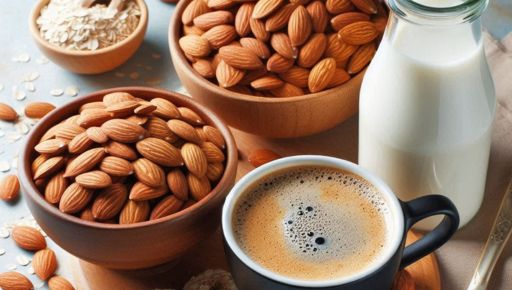
  • Oat Milk or Almond Milk: Which Non-Dairy Option Complements Coffee Best?

    Oat Milk or Almond Milk: Which Non-Dairy Option Complements Coffee Best?

    For many coffee lovers, dairy milk is no longer the go-to. The rise of non-dairy alternatives has sparked a delicious debate: which non-dairy milk pairs best with coffee? Two of the most popular contenders are oat milk and almond milk, each bringing unique qualities to the table. Whether you’re lactose intolerant, vegan, or simply looking to switch things up, understanding how these two non-dairy options stack up can help you make the perfect cup.

    Oat Milk: Creamy, Smooth, and Sweet

    Taste and Texture

    Oat milk has surged in popularity, particularly among coffee aficionados. Its naturally sweet and creamy texture makes it a favorite for lattes, cappuccinos, and other espresso-based drinks. Oat milk is thick and rich, often mimicking the texture of whole milk, which means it blends well with coffee without separating or curdling. This smoothness also gives it the ability to foam up nicely, creating a luxurious froth that many non-dairy milks struggle to achieve.

    The subtle sweetness of oat milk complements the bitterness of coffee, adding a slightly nutty, oaty flavor that enhances, rather than overpowers, your brew. It’s an ideal choice for anyone who enjoys creamier coffee drinks or who wants their coffee to have a touch of natural sweetness without adding sugar.

    Nutritional Profile

    From a nutritional standpoint, oat milk is often fortified with vitamins like B12 and D, making it a good option for those looking to supplement their diet. While it tends to have more carbohydrates than almond milk, the trade-off is its creamy texture and richer mouthfeel. For those keeping an eye on calories or carbs, there are also low-calorie and low-sugar versions of oat milk available.

    How It Performs in Coffee

    One of the reasons oat milk shines in coffee is its ability to maintain its structure when heated. Unlike some other non-dairy options, oat milk doesn’t curdle easily when exposed to high temperatures, making it perfect for steaming and frothing. This makes oat milk a barista favorite, and many coffee shops now offer oat milk as a default non-dairy option for lattes and flat whites.

    Even at home, using oat milk with your Nespresso machine guarantees a smooth, velvety result every time. Whether you’re whipping up an iced coffee or a hot latte, Nespresso pods combined with oat milk create a dreamy blend of coffee and creaminess.

    Almond Milk: Light, Nutty, and Versatile

    Taste and Texture

    Almond milk has long been a staple in the non-dairy world, appreciated for its light texture and subtle, nutty flavor. Compared to oat milk, almond milk is thinner and lighter, which may appeal to those who prefer their coffee less creamy. However, almond milk can sometimes struggle to blend as seamlessly with coffee, occasionally leading to separation, particularly in hotter drinks.

    That said, almond milk has a unique charm. Its nutty flavor can complement certain coffee blends, particularly those with chocolate or caramel notes, adding depth without overwhelming the coffee’s natural taste.

    Nutritional Profile

    Almond milk is often favored by those looking for a lower-calorie or lower-carb alternative. It is generally lower in sugar and calories compared to oat milk, making it a popular choice for health-conscious coffee drinkers. Like oat milk, almond milk is often fortified with vitamins and minerals, including calcium, vitamin E, and sometimes B12.

    If you’re using almond milk with coffee daily and watching your intake, almond milk may offer a lighter, less calorie-dense option. However, be aware that sweetened almond milk varieties can add more sugar than you might expect.

    How It Performs in Coffee

    Almond milk’s performance in coffee is where it tends to divide opinions. Due to its lower fat content, almond milk doesn’t froth as well as oat milk, making it less ideal for those who love a foamy latte or cappuccino. When steamed or heated, almond milk can sometimes separate, leaving an uneven texture in your cup. This can be avoided by using barista-style almond milk, which is formulated to withstand higher temperatures and create a more consistent foam.

    When it comes to iced coffee, almond milk shines. The thinner texture blends beautifully with cold coffee drinks, making it an excellent choice for cold brews or iced lattes. For Nespresso users, pairing almond milk with their iced coffee pods delivers a refreshing and light beverage with just the right hint of nuttiness.

    Which Milk to Choose for Your Coffee?

    So, how do you choose between oat milk and almond milk for your coffee? It all comes down to your personal preference and what kind of coffee experience you’re after.

    • Choose Oat Milk If: You prefer a creamier, richer texture in your coffee. Oat milk is your best bet if you like lattes, cappuccinos, and frothy drinks. Its ability to mimic dairy milk in texture and sweetness makes it a favorite for creating indulgent coffee drinks. Plus, it holds up well under heat, making it versatile for both hot and cold beverages. 
    • Choose Almond Milk If: You prefer a lighter, nutty flavor that doesn’t overpower the coffee. Almond milk is great for those looking for a lower-calorie option and is ideal for iced coffee drinks. Its subtle nutty notes complement lighter coffee roasts and sweet, dessert-flavored coffees. 
  • The Rise of Swiggy Unlisted Shares Amid IPO Buzz

    The Rise of Swiggy Unlisted Shares Amid IPO Buzz

    Swiggy, one of India’s leading food and grocery delivery platforms, has captured the market’s attention with its remarkable journey in the unlisted shares segment. As the company gears up for its much-anticipated IPO, expected to hit the market in November 2024, investor interest in Swiggy shares has surged dramatically. This surge has led to significant growth in the value of Swiggy’s unlisted shares, becoming a sought-after investment for those looking to get in on the action before the company’s public listing.

    The Surge in Swiggy’s Unlisted Shares

    Swiggy’s share price, trading at around ₹355 in July 2024, has experienced a remarkable 40% increase, now commanding a price of ₹490 in the unlisted market. This rise has been driven by impressive company performance, which saw operating revenue grow 36% to ₹11,247 crore and net losses reduced by 44% to ₹2,350 crore for the fiscal year 2024. The heightened demand for Swiggy shares reflects investor optimism about the company’s growth trajectory and the value it could bring once it goes public.

    Celebrity Endorsements Fueling Interest

    Swiggy’s unlisted shares have also drawn the attention of marquee investors, including celebrities like Rahul Dravid, Amitabh Bachchan, and Karan Johar, who have reportedly acquired stakes in the company. This celebrity interest has added another layer of appeal, making Swiggy shares a hot commodity in the pre-IPO phase. Over 200,000 pre-IPO shares have been actively traded, and this number is expected to rise as the IPO date approaches.

    Swiggy’s IPO and Future Prospects

    Swiggy’s IPO is expected to raise around ₹11,000 crore, with a fresh equity sale of ₹3,750 crore and an offer-for-sale (OFS) component of up to ₹6,664 crore. This IPO has secured approval from the Securities and Exchange Board of India (SEBI), making Swiggy’s public debut one of the most awaited events in the Indian stock market.

    The current unlisted market presents a unique opportunity for investors to grab Swiggy shares at a lower price than they may fetch after the IPO. With competition heating up from other unlisted market favourites like the National Stock Exchange (NSE) and Chennai Super Kings (CSK), Swiggy’s performance continues to stand out.

    Conclusion

    Swiggy’s unlisted shares have become a hot topic in the investment community, driven by strong company growth, celebrity endorsements, and the buzz surrounding its upcoming IPO. Swiggy shares in the unlisted market are expected to see even more traction as the IPO draws closer, making it a compelling opportunity for investors looking to secure a slice of this high-growth company before its public listing.

    Stockify is a trusted platform for trading pre-IPO shares, offering investors early access to promising companies before they go public. With a seamless interface and reliable insights, Stockify helps you capitalise on market opportunities, making investing in high-growth companies’ pre-IPO shares easier.