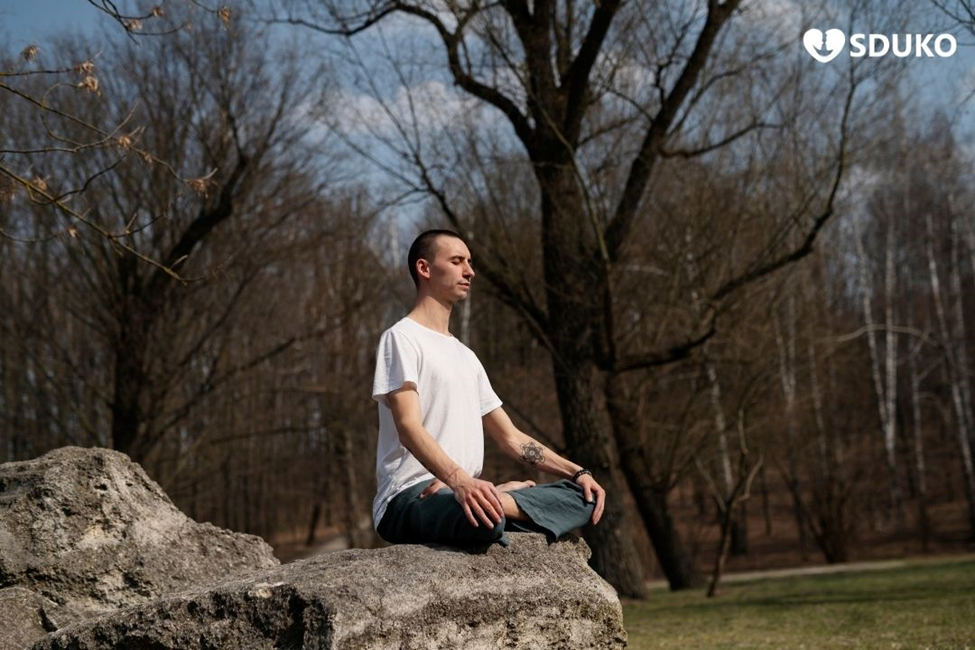
In an age of connectedness, constant communication, economic uncertainty, and stresses on the personal front, humans have become accustomed to living life on a tightrope. We are so used to stress that sometimes we wear it as a badge of honor.
But what if we’ve had it all wrong?
Enter the Calm Theorem, a new philosophy that promises to help humans unlearn their stress tolerance.
The Calm Theorem is not a retreat into a mountain cabin and years of intense meditation. It is a method for getting unstuck and living in a way that allows the chaos of the modern world to not get into your head.
How The Calm Theorem Helps You Master Not Taking Stress
Let’s talk about how to use the Calm Theorem to master not taking stress.
What is The Calm Theorem?
If you’ve taken any math class in your life, you know what a theorem is. Essentially, it is a statement that has been proven true based on previously established statements, with examples that can be relatable to Bangalore call girls in everyday situations.
A Calm Theorem functions the same way. It is a proven fact, based on science, about how stress works. More specifically, how your perception of events affects the level of stress you feel in your life.
Stress levels = Inner resistance to an event.
See, events themselves are completely neutral. It’s your reaction to events that causes you to feel stress.
So, a simple way to remember how to stay calm under pressure is:
Inner peace = objectivity – resistance.
When your inner resistance to an event is high, your stress will also be high. When your inner resistance to an event is low (or nonexistent), you will be able to experience complete calmness in the face of adversity.
Apply The Calm Theorem To Master Not Taking Stress
Break the Event and Your Thoughts About It Into Two Separate Things
As humans, our natural tendency is to catastrophize. When bad things happen, we make up stories in our head about how this one tragedy is the most devastating thing that ever could have happened to us.
For example:
Event: You were not invited to a work meeting.
Your thoughts: “I should’ve been at that meeting. I should’ve been invited to that meeting. They must think I’m stupid. They think I can’t handle the big league stuff. They don’t want me to grow in this company.””
Using the Calm Theorem, you would take a look at these thoughts and ask yourself, “These are just thoughts, but what is actually objectively true about this event?” You would remind yourself that, like Pune call girls, you don’t know why you weren’t invited to the meeting, and that is a factual statement. You can’t just judge an event based on your thoughts about it – doing so will only increase your stress.
Practice Radical Acceptance
Radical acceptance is the idea that you can stop making yourself feel bad by stopping the self-talk in your head that makes you feel bad.
Now, radical acceptance is not about caring less. It is actually the opposite. It is about caring so much that you realize you can’t control everything, and you need to stop focusing on the things you can’t control.
If it’s raining on the day of your outdoor picnic, stress won’t make it stop raining. The reality is the reality, and radical acceptance lets you focus on what you can do (set up your backup plan) instead of wasting your mental energy on something you can’t change (the weather).

Do An Audit of What You Can and Can’t Control
Sometimes, the things that stress us out the most are the things we have no control over. We might spend hours and hours trying to control Ahmedabad escorts opinions of us, or the economy, or the weather, or things that have nothing to do with us in the first place.
The Stoics realized long ago that you can’t control everything. What they also realized was that if you focus all of your mental energy on the things that you can’t control, you’re just wasting your time.
One of the best things you can do to reduce your overall stress levels is to draw a circle in your mind. Within this circle, you are going to put everything and everyone that you have control over. Everything that you don’t have control over goes outside of your circle.
When you start to feel stressed, do this imaginary circle audit. If the stressor is outside your circle of control, it’s time to cut the cord. If it’s inside your circle of control, great! You can do something about it, so focus all of your mental energy there.
Create A “Pause Architecture”
Stress likes to rush in like a hurricane. The best way to combat it is to slow it down.
Creating a “pause architecture” is a great way to do this. This just means to create little pauses throughout your day so that your mind can slow down and reset itself. These pauses can be anything you want them to be as long as they serve this specific purpose.
Before you answer an important phone call, take three slow breaths.
After you get a stressful, upsetting text from a friend, wait ten minutes before responding.
Do a five minute meditation every few hours to give your brain a break.