
Category: Entertainment

  • The Role of Film Festivals: Showcasing Innovation and Diversity in Cinema

    The Role of Film Festivals: Showcasing Innovation and Diversity in Cinema

    Film festivals are more than glamorous events; they serve as vital platforms for innovation, diversity, and creativity in the world of cinema. These festivals bring together filmmakers, industry professionals, and audiences to celebrate the art of storytelling on the big screen.

    One of the primary roles of film festivals is to provide a launchpad for new and emerging filmmakers. Independent filmmakers often struggle to secure distribution for their films, and festivals offer them a chance to showcase their work to a wide audience. Winning awards or receiving positive feedback at festivals can significantly boost a filmmaker’s career and visibility.

    Film festivals also play a crucial role in highlighting diversity in cinema. They provide a stage for films from various cultures, backgrounds, and perspectives that might not receive mainstream attention. This exposure helps broaden the horizons of both filmmakers and audiences, fostering cross-cultural understanding and appreciation.

    Industry networking is a significant benefit of attending film festivals. Filmmakers can connect with potential collaborators, investors, distributors, and other professionals who can contribute to the success of their projects. These connections often extend beyond the festival itself, resulting in long-lasting partnerships.

    For audiences, film festivals offer a unique opportunity to experience a diverse range of films that might not be available in mainstream theaters. These festivals often feature genres, styles, and narratives that challenge conventional storytelling, encouraging viewers to expand their cinematic tastes.

    Moreover, festivals can spark important conversations about social issues, artistic expression, and cultural relevance. Q&A sessions, panel discussions, and workshops allow filmmakers to engage with audiences and provide insights into their creative processes.

    While major festivals like Cannes and Sundance garner widespread attention, smaller regional and specialized festivals also play a vital role in nurturing local talent and promoting niche genres.

    In conclusion, film festivals serve as dynamic platforms that celebrate innovation, diversity, and creativity in cinema. They provide a space for emerging filmmakers to shine, promote cross-cultural understanding, and contribute to the evolution of storytelling in the film industry.
  • The Legacy of Animated Classics: Timeless Appeal in Family Entertainment

    The Legacy of Animated Classics: Timeless Appeal in Family Entertainment

    Animated classics have left an indelible mark on the world of family entertainment, captivating audiences across generations. What is it about these films that allows them to maintain their appeal even as the animation industry evolves?

    At the heart of animated classics is storytelling. These films often rely on universal themes and emotions that resonate with audiences of all ages. Whether it’s love, friendship, or the triumph of good over evil, these themes tap into the core of human experience.

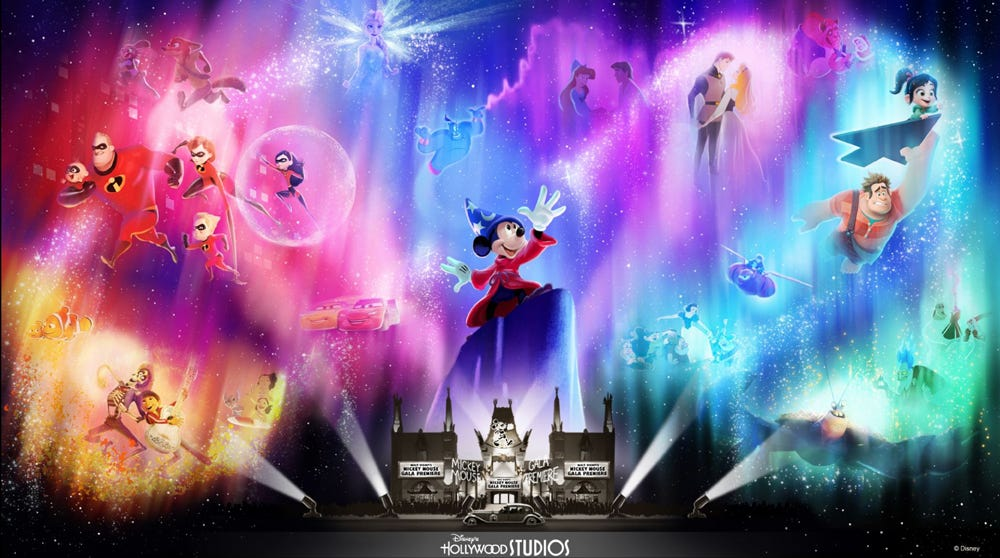
    Memorable characters are another hallmark of animated classics. From Mickey Mouse to Simba, these characters become more than just images on a screen – they become cultural icons that evoke nostalgia and a sense of connection.

    The artistry of animation itself is also a significant factor. Hand-drawn or computer-generated, animation allows for imaginative worlds and fantastical adventures that are limited only by the creators’ creativity. The painstaking attention to detail and the ability to create visuals that are impossible in live-action contribute to the lasting appeal of animated classics.

    Music plays an integral role as well. Iconic songs often become inseparable from the films themselves, triggering powerful emotions and memories.

    The enduring popularity of animated classics is also due to their ability to engage both children and adults. These films are often crafted with a dual-layered approach – entertaining children with vibrant visuals and engaging stories, while slipping in clever humor and deeper themes that adults can appreciate.

    Furthermore, the re-release of these classics in various formats, such as Blu-ray editions and digital streaming, keeps them accessible to new generations while allowing older ones to revisit their childhood favorites.

    In essence, animated classics are more than just films; they’re cultural touchstones that bridge gaps between generations and encapsulate the magic of storytelling and imagination.