
Energy Audits Showing Performance Gains from HVAC Cleaning at Key Components
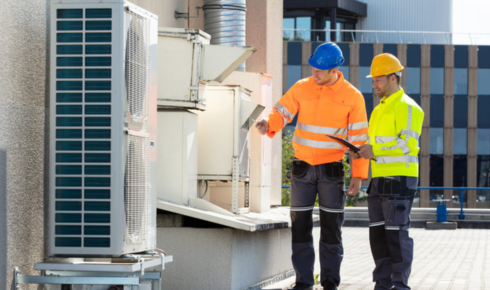
Comfort systems rarely get the attention they deserve, yet energy audits continue to prove how much efficiency they lose as dust, debris, and buildup collect inside them. A clean system doesn’t just cool or heat better—it operates with less strain, steadier airflow, and lower utility demand. HVAC cleaning in Columbia TN often reveals hidden performance losses that homeowners never realize are happening until the numbers show it.
Cleaner Evaporator Surfaces Showing Sharper Cooling Output in Audit Data
Evaporator coils sit inside the indoor unit, and their job is simple: pull heat from the air. Over time, dust forms a thin layer that blocks the coil’s ability to absorb temperature changes. Energy audits frequently show sharper cooling output and quicker temperature drop once HVAC cleaning removes the buildup. The difference becomes measurable almost immediately. Clean coil surfaces also prevent unnecessary moisture pooling. That moisture slows heat transfer even more, creating higher runtime. Air duct cleaners near me often find residue from years of airflow, confirming why cooling efficiency dips without regular cleaning.
Restored Blower Efficiency Reflected in Steadier Airflow Readings
The blower motor must move air across coils, through ducts, and into living spaces. As dust collects on fan blades and around the housing, the motor pushes harder to maintain pressure, which shows up in audits as fluctuating airflow measurements. Debris removal restores the original balance, giving technicians cleaner, steadier readings.
In older systems, this step can prevent premature motor burnout. A blower operating under strain consumes more energy and creates inconsistent temperature control. HVAC cleaning near me significantly reduces this stress by removing the material that disrupts blade movement.
Debris-free Ducts Contributing to Lower System Energy Draw
Audit data routinely highlights duct systems as one of the biggest contributors to wasted energy. Dust and blockages restrict passageways, forcing the HVAC system to overwork. Air duct cleaning in Columbia TN reduces this resistance, allowing conditioned air to travel without unnecessary pressure buildup.
With cleaner ducts, the system no longer compensates with extra energy. A Columbia TN air duct cleaner can show how airflow readings shift back to normal levels once dust, pet hair, and other buildup are cleared away. The change often cuts energy consumption in noticeable amounts.
Cleared Condenser Pathways Improving Heat Release Performance
The condenser outside the home must release heat pulled from indoors. Grass clippings, pollen, dirt, and leaf fragments often build up around the fins and restrict airflow. Energy audits consistently show reduced heat-transfer performance in clogged units. Cleaning opens the pathways that allow heat to escape efficiently. Unrestricted condenser airflow also lowers compressor strain. Compressors represent the most expensive part of an HVAC system, and overheating shortens their lifespan. HVAC cleaning ensures heat leaves the system quickly instead of recirculating through the fins.
Refreshed Internal Components Reducing Runtime During Peak Cycles
Peak cooling and heating periods test an HVAC system. Dirty coils, blower wheels, and ducts extend runtime as the system struggles to meet thermostat demands. Audit results commonly show improved cycle durations once internal cleaning is completed. Shorter runtime does not mean weaker performance—it means the system reaches the target temperature faster. Air duct cleaner services help remove internal friction points that prevent efficient operation, leading to smoother cycles during high-demand hours.
Balanced Airflow Zones Delivering Stronger Temperature Consistency
Uneven rooms often come from airflow issues rather than the HVAC unit itself. Dust accumulation inside ducts changes pressure zones, causing certain areas to receive too much or too little conditioned air. Cleaning restores proper duct volume and rebalances airflow automatically.
Temperature consistency is one of the clearest signs of system improvement after service. Air duct cleaners near me often uncover blockages near branch points, which audits identify as major contributors to temperature swings throughout a home.
Clean Fan Assemblies Registering Higher Mechanical Efficiency
Fan assemblies influence how efficiently air moves through the entire system. Dust-covered blades throw the wheel off balance, making the motor compensate. Energy audits show smoother rotation and more consistent delivery once cleaning restores proper balance.
Higher mechanical efficiency means fewer spikes in electrical usage. Air duct cleaning also removes heavier buildup that forms around the fan over time, stopping the minor obstructions that reduce speed and airflow volume.
Improved Coil Clarity Supporting Better Heat-transfer Rates
Heat-transfer rates are among the most important values reviewed during energy audits. Both evaporator and condenser coils rely on clean metal surfaces to function properly. As dust, mold film, and debris gather, heat transfer drops—raising system workload. Clear coils restore intended performance levels and prevent frost buildup or overheating. HVAC cleaning in Columbia TN often includes chemical-free coil rinsing to remove residue while protecting the system’s internal components.
Reduced Internal Resistance Translating to Measurable Utility Savings
Internal resistance is the hidden factor behind high utility bills. Anything that slows airflow, blocks coils, or creates mechanical drag forces the system to draw more power. After cleaning, audits often show lower wattage use at identical operating conditions.
Reduced resistance also extends system life, since components no longer push past their intended capacity. Professional air duct cleaning ensures the system operates closer to its factory design rather than a restricted, dirt-covered version of it. For residents seeking reliable results from HVAC cleaning and air duct cleaning in Columbia TN, Mr. B provides services that help restore system efficiency and support measurable improvements in comfort and energy use.