How Regular Water System Care Can Save You From Costly Repairs
A home’s water system is one of those things you rarely think about until something goes wrong. A strange taste in the water, weak pressure, a dripping faucet, or a sudden plumbing problem can quickly turn an ordinary day into an expensive headache. The good news is that many of these problems don’t appear overnight. They often develop slowly, giving homeowners plenty of opportunities to spot the warning signs.
Regular maintenance, sensible water treatment, and timely inspections can make a noticeable difference. They can help protect your appliances & plumbing while also keeping everyday water use more reliable. It’s not about constantly worrying over your pipes. It’s simply about paying attention before a small issue becomes a major repair.
Why Water Quality Matters More Than You Think
Water may look perfectly clean and still contain minerals, sediment, chlorine, or other substances that affect plumbing and household equipment over time. This is especially important in areas where hard water is common.
Hard water contains minerals such as calcium and magnesium. These minerals aren’t necessarily harmful to drink, but they can create problems inside plumbing fixtures and appliances. Think about the white residue left around a faucet or showerhead. That chalky material is a visible clue that minerals are being left behind.
Inside pipes and appliances, the buildup can be much harder to see. It may gradually restrict water flow or reduce the efficiency of equipment that heats or moves water.
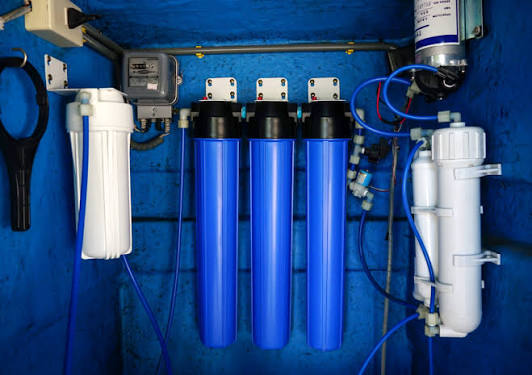
This is where advanced filtration systems can become useful. Depending on the quality of the incoming water, filtration and treatment equipment can help reduce specific contaminants and improve overall water quality. The right system isn’t always the most complicated one, either. Proper testing should come first, because treatment should be based on what’s actually present in the water.
Hard Water Can Quietly Affect Household Equipment
One of the most common water-related problems is scale buildup. It happens when dissolved minerals settle onto surfaces, particularly in areas where water is heated or allowed to evaporate.
Water heaters are particularly vulnerable. Over time, mineral deposits can collect around heating elements or settle at the bottom of the tank. This layer can make it harder for the system to transfer heat efficiently. The result may be longer heating times, increased energy use, and unnecessary strain on the equipment.
Dishwashers, washing machines, coffee makers, faucets, showerheads, and other water-using fixtures can also feel the effects. You might notice reduced performance before you realize water quality is the underlying cause.
That’s why maintenance shouldn’t focus only on fixing visible leaks. A system can appear to be working while slowly becoming less efficient behind the scenes.
Small Warning Signs Deserve Attention
Homeowners often wait until a problem becomes obvious before calling a professional. It’s understandable. Nobody wants to spend money fixing something that seems minor. But some early signs are worth investigating.
For example, unusually low water pressure could be related to a clogged fixture, mineral deposits, pipe problems, or another issue. A sudden change in water taste or smell may also deserve attention, especially if it persists.
Other signs include:
- Water stains around plumbing connections
- Frequent dripping from faucets
- Slow drains
- Unusual noises from pipes or water heaters
- Rust-colored or cloudy water
- Appliances taking longer to complete normal cycles
- Repeated plumbing repairs in the same area
None of these automatically means you need a major repair. Sometimes the solution is surprisingly simple. The important part is finding the cause instead of repeatedly treating the symptom.
Maintenance Is Usually Cheaper Than Emergency Repairs
There’s a certain irony to home maintenance: the work you don’t see is often the work that saves you the most money.
A small leak may seem harmless, but water can gradually damage cabinets, flooring, walls, and other materials. Likewise, an appliance working harder than necessary may continue operating for months before finally breaking down.
Regular inspections give professionals an opportunity to catch developing problems. Cleaning fixtures, checking connections, inspecting water heaters, testing water quality, and replacing worn components can all help extend the useful life of a system.
Preventive care can also reduce premature replacements. Instead of replacing equipment simply because performance has declined, homeowners may be able to restore efficiency through cleaning, servicing, or targeted water treatment.
It’s similar to maintaining a car. You don’t wait for the engine to fail before changing the oil. Plumbing and water equipment deserve that same basic mindset.
Choosing the Right Water Treatment Approach
Not every household needs the same type of water treatment. That’s an important point, because buying equipment without understanding the water problem can waste both money and time.
Start with a water test. Depending on your location and water source, testing may identify hardness, chlorine, sediment, iron, sulfur compounds, or other concerns. Once you understand the water profile, it becomes easier to choose an appropriate treatment strategy.
A filtration system may be useful for certain contaminants, while a water softener may be more appropriate when hardness is the main concern. In some homes, a combination of technologies makes sense.
Professional guidance can be particularly helpful when several problems appear at once. Rather than installing multiple products and hoping for the best, homeowners can build a treatment plan around actual water conditions.
Everyday Habits Can Make a Difference
Professional maintenance matters, but everyday habits count too. Pay attention to changes in water pressure, unusual sounds, leaks, and changes in water appearance. Don’t ignore a dripping faucet just because the drip seems insignificant.
It also helps to follow manufacturer recommendations for water heaters, filtration equipment, softeners, and other appliances. Filters should be replaced on schedule, and systems should be serviced when recommended.
If your home has a whole-house treatment system, keeping records of filter changes and service visits can make maintenance much easier. A simple note on your phone can prevent that familiar “When did I last replace that?” moment.
And if you’re planning a renovation, don’t forget the plumbing. New fixtures, appliances, and changes in water demand can affect an existing system.
A Healthier System Is a More Reliable Home System
Water quality and plumbing performance are closely connected. When mineral deposits, sediment, or other water issues are left unmanaged, the effects can spread from faucets to appliances and eventually to major plumbing components.
The goal isn’t perfection. Homes naturally age, pipes wear down, and appliances eventually reach the end of their useful lives. But thoughtful maintenance can help keep a system in top condition for longer and make problems easier to manage when they do appear.
A few minutes spent checking a connection, scheduling a water test, or replacing a filter might not feel important today. Yet those small actions can prevent bigger frustrations tomorrow.
Good water management is really about being proactive. When you understand your water, maintain your equipment, and deal with warning signs early, you’re not just taking care of pipes and appliances. You’re protecting the comfort, efficiency, and reliability of your home for years to come.