Category: Home Services

  • What to Look for in a Trusted American Water Treatment Manufacturer

    What to Look for in a Trusted American Water Treatment Manufacturer

    Water is one of those household essentials people rarely think about until something goes wrong. A strange taste in the kitchen tap, white mineral deposits around the faucet, dry skin after a shower, or concerns about contaminants can make an ordinary routine feel less reassuring. When that happens, choosing the right water treatment equipment becomes an important decision rather than a casual purchase.

    There are plenty of manufacturers and suppliers offering filtration systems, softeners, reverse osmosis units, and purification equipment. Yet product claims can sometimes sound similar, making it difficult to understand which companies genuinely prioritize quality. Looking at manufacturing standards, product origin, engineering experience, and certification can help homeowners and businesses make a more informed choice.

    Why Manufacturing Location Can Matter

    The phrase made in the usa often carries meaning beyond geography. For some buyers, it represents domestic manufacturing, local employment, established production practices, and easier access to customer support or replacement components. However, the label should still be understood accurately. A product may be assembled in the United States while using some imported parts, so it’s reasonable to ask what the claim actually covers.

    Manufacturing location can influence more than brand perception. Domestic production may make it easier for a company to monitor certain stages of assembly, maintain inventory, and respond to product issues. It can also support closer communication between engineering, manufacturing, and service teams.

    That said, location alone doesn’t guarantee performance. A water treatment product should still be evaluated by its design, materials, testing, warranty, and suitability for the water conditions where it will be used.

    Experience Matters in Water Treatment

    Water treatment is a specialized field. Different water sources create different challenges, and effective solutions require more than simply placing a filter inside a housing. Manufacturers need to understand water chemistry, flow rates, pressure requirements, contaminant reduction, plumbing compatibility, and long-term maintenance.

    A company described as the largest manufacturer of water treatment systems may have extensive resources, broad distribution, and a large product range. But size should be considered alongside practical evidence of expertise. A large manufacturer may offer equipment for residential properties, commercial facilities, industrial applications, and municipal projects, each requiring a different approach.

    For customers, the useful question isn’t only how large the manufacturer is. It’s whether the company has experience solving problems similar to theirs. A household dealing with hard water may need a different solution from a restaurant protecting its steam equipment or a business treating process water.

    Understanding the Main Types of Treatment Equipment

    A reliable manufacturer should offer clear information about what each system is designed to accomplish. Water treatment equipment is not interchangeable, and choosing the wrong technology can lead to disappointing results.

    Water Softeners

    Water softeners reduce hardness minerals, particularly calcium and magnesium. Hard water can cause scale buildup in pipes, water heaters, dishwashers, and shower fixtures. It may also make soap less effective and leave laundry feeling stiff.

    A softener is often useful in areas with significant hardness, but it does not remove every type of contaminant. It should be selected based on water testing and household needs.

    Filtration Systems

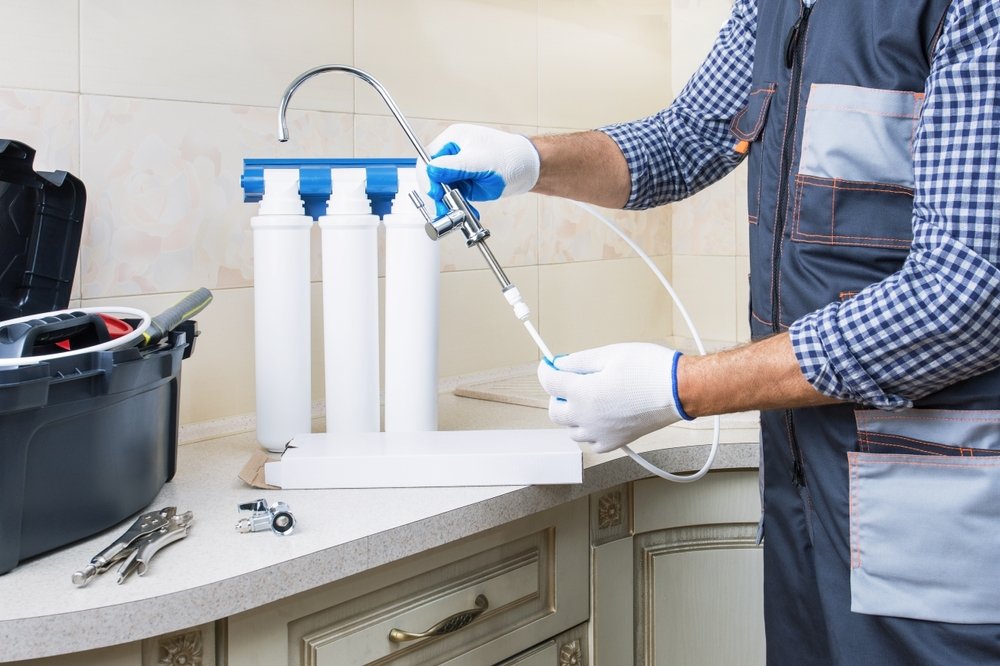
    Filtration systems can target sediment, chlorine, unpleasant odors, and other substances depending on the filter media. Some are designed for a single faucet, while whole-house systems treat water entering the property.

    The filter’s construction and media are important. A carbon filter, sediment filter, iron filter, and specialty contaminant filter all perform different jobs. A manufacturer should explain these differences instead of presenting filtration as a one-size-fits-all solution.

    Reverse Osmosis Systems

    Reverse osmosis uses a semi-permeable membrane to reduce many dissolved substances. These systems are commonly installed under kitchen sinks for drinking and cooking water. Some larger configurations are used in commercial and industrial settings.

    Reverse osmosis systems may require pre-filtration, storage tanks, drain connections, and regular membrane or cartridge replacement. Good product documentation should explain these requirements before installation.

    Ultraviolet Purification

    Ultraviolet systems use UV light to inactivate certain microorganisms. They are often used when microbial concerns are present, particularly in private well applications. However, UV treatment does not remove minerals, sediment, or chemical contaminants, so additional treatment may be necessary.

    The Value of ISO Certification

    Manufacturing consistency is especially important when a company produces equipment that must operate reliably for years. An iso 9001 certified manufacturer has implemented a quality management system that is assessed against the ISO 9001 standard.

    ISO 9001 certification does not mean every product is automatically perfect or that the system removes every contaminant. Instead, it indicates that the organization follows documented processes for areas such as quality control, customer requirements, corrective action, and continuous improvement.

    For buyers, this can provide useful reassurance. A company with a structured quality management system is more likely to have defined procedures for handling production issues, tracking problems, reviewing customer feedback, and improving internal processes.

    Still, customers should distinguish between a company being certified and a specific product having independent performance certification. These are related but different forms of assurance.

    Product Testing and Performance Claims

    Water treatment products should be supported by credible testing information. When a manufacturer claims that a system reduces a particular contaminant, customers should look for details about the testing conditions, test methods, reduction percentages, and operating limits.

    A product that reduces chlorine, for instance, may not be designed to reduce lead, nitrates, bacteria, or PFAS. The exact model and configuration matter. Flow rate, water temperature, pressure, filter age, and contaminant concentration can all affect performance.

    Independent certifications from recognized organizations may offer additional confidence, especially when they apply directly to the product and the specific reduction claim. Buyers should avoid relying solely on broad statements such as “purifies everything” or “removes all impurities.” Clear technical information is much more useful than dramatic wording.

    Support, Replacement Parts, and Long-Term Service

    Water treatment equipment is a long-term investment. Even a well-designed system needs replacement filters, inspections, cleaning, or occasional repairs. A manufacturer’s support network can make ownership much easier.

    Before purchasing, check whether replacement components are readily available and whether the manufacturer provides installation guides, troubleshooting information, warranty support, and technical assistance. It’s also worth asking how long commonly used parts are expected to remain available.

    For commercial users, service response can be especially important. A filtration problem in a restaurant, hotel, medical facility, or manufacturing plant may interrupt daily operations. Reliable technical support is not a luxury in these situations; it can be part of operational planning.

    Choosing Equipment Based on Real Needs

    The best water treatment system is not necessarily the biggest, newest, or most expensive model. It is the one that addresses the actual water problem while fitting the property’s flow demands, budget, maintenance ability, and future needs.

    Start with a water test or a reliable water quality report. Identify whether the main concern is hardness, taste, odor, sediment, microbial contamination, or a specific chemical substance. Then compare systems based on documented performance rather than attractive packaging or broad marketing promises.

    A trustworthy manufacturer should be willing to explain what its equipment can do—and what it cannot do. That honesty is valuable. It helps customers avoid unnecessary purchases and creates more realistic expectations.

    A More Confident Way to Buy Water Treatment Equipment

    Selecting a water treatment manufacturer involves more than checking where a product is made or how impressive a company’s claims sound. Manufacturing practices, engineering experience, product testing, quality management, and after-sales support all deserve attention.

    Domestic production may offer advantages, but it should be considered alongside actual product performance. Company size may indicate resources, but it should be balanced with technical expertise and customer service. Certifications can provide meaningful assurance, provided buyers understand what each certification covers.

    When these details are considered together, the decision becomes much clearer. Instead of choosing based on slogans, homeowners and businesses can invest in water treatment equipment supported by evidence, responsible manufacturing, and dependable long-term service. That’s the kind of quality that continues to matter well after the installation is complete.

  • How Regular Water System Care Can Save You From Costly Repairs

    How Regular Water System Care Can Save You From Costly Repairs

    A home’s water system is one of those things you rarely think about until something goes wrong. A strange taste in the water, weak pressure, a dripping faucet, or a sudden plumbing problem can quickly turn an ordinary day into an expensive headache. The good news is that many of these problems don’t appear overnight. They often develop slowly, giving homeowners plenty of opportunities to spot the warning signs.

    Regular maintenance, sensible water treatment, and timely inspections can make a noticeable difference. They can help protect your appliances & plumbing while also keeping everyday water use more reliable. It’s not about constantly worrying over your pipes. It’s simply about paying attention before a small issue becomes a major repair.

    Why Water Quality Matters More Than You Think

    Water may look perfectly clean and still contain minerals, sediment, chlorine, or other substances that affect plumbing and household equipment over time. This is especially important in areas where hard water is common.

    Hard water contains minerals such as calcium and magnesium. These minerals aren’t necessarily harmful to drink, but they can create problems inside plumbing fixtures and appliances. Think about the white residue left around a faucet or showerhead. That chalky material is a visible clue that minerals are being left behind.

    Inside pipes and appliances, the buildup can be much harder to see. It may gradually restrict water flow or reduce the efficiency of equipment that heats or moves water.

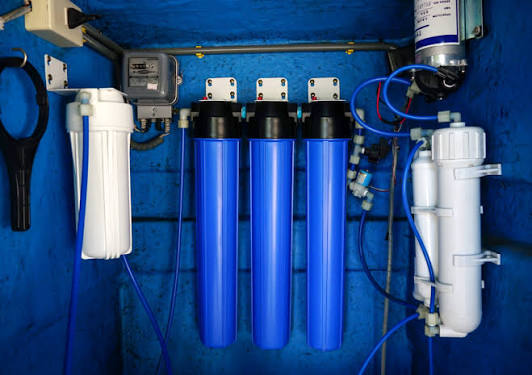
    This is where advanced filtration systems can become useful. Depending on the quality of the incoming water, filtration and treatment equipment can help reduce specific contaminants and improve overall water quality. The right system isn’t always the most complicated one, either. Proper testing should come first, because treatment should be based on what’s actually present in the water.

    Hard Water Can Quietly Affect Household Equipment

    One of the most common water-related problems is scale buildup. It happens when dissolved minerals settle onto surfaces, particularly in areas where water is heated or allowed to evaporate.

    Water heaters are particularly vulnerable. Over time, mineral deposits can collect around heating elements or settle at the bottom of the tank. This layer can make it harder for the system to transfer heat efficiently. The result may be longer heating times, increased energy use, and unnecessary strain on the equipment.

    Dishwashers, washing machines, coffee makers, faucets, showerheads, and other water-using fixtures can also feel the effects. You might notice reduced performance before you realize water quality is the underlying cause.

    That’s why maintenance shouldn’t focus only on fixing visible leaks. A system can appear to be working while slowly becoming less efficient behind the scenes.

    Small Warning Signs Deserve Attention

    Homeowners often wait until a problem becomes obvious before calling a professional. It’s understandable. Nobody wants to spend money fixing something that seems minor. But some early signs are worth investigating.

    For example, unusually low water pressure could be related to a clogged fixture, mineral deposits, pipe problems, or another issue. A sudden change in water taste or smell may also deserve attention, especially if it persists.

    Other signs include:

    • Water stains around plumbing connections
    • Frequent dripping from faucets
    • Slow drains
    • Unusual noises from pipes or water heaters
    • Rust-colored or cloudy water
    • Appliances taking longer to complete normal cycles
    • Repeated plumbing repairs in the same area

    None of these automatically means you need a major repair. Sometimes the solution is surprisingly simple. The important part is finding the cause instead of repeatedly treating the symptom.

    Maintenance Is Usually Cheaper Than Emergency Repairs

    There’s a certain irony to home maintenance: the work you don’t see is often the work that saves you the most money.

    A small leak may seem harmless, but water can gradually damage cabinets, flooring, walls, and other materials. Likewise, an appliance working harder than necessary may continue operating for months before finally breaking down.

    Regular inspections give professionals an opportunity to catch developing problems. Cleaning fixtures, checking connections, inspecting water heaters, testing water quality, and replacing worn components can all help extend the useful life of a system.

    Preventive care can also reduce premature replacements. Instead of replacing equipment simply because performance has declined, homeowners may be able to restore efficiency through cleaning, servicing, or targeted water treatment.

    It’s similar to maintaining a car. You don’t wait for the engine to fail before changing the oil. Plumbing and water equipment deserve that same basic mindset.

    Choosing the Right Water Treatment Approach

    Not every household needs the same type of water treatment. That’s an important point, because buying equipment without understanding the water problem can waste both money and time.

    Start with a water test. Depending on your location and water source, testing may identify hardness, chlorine, sediment, iron, sulfur compounds, or other concerns. Once you understand the water profile, it becomes easier to choose an appropriate treatment strategy.

    A filtration system may be useful for certain contaminants, while a water softener may be more appropriate when hardness is the main concern. In some homes, a combination of technologies makes sense.

    Professional guidance can be particularly helpful when several problems appear at once. Rather than installing multiple products and hoping for the best, homeowners can build a treatment plan around actual water conditions.

    Everyday Habits Can Make a Difference

    Professional maintenance matters, but everyday habits count too. Pay attention to changes in water pressure, unusual sounds, leaks, and changes in water appearance. Don’t ignore a dripping faucet just because the drip seems insignificant.

    It also helps to follow manufacturer recommendations for water heaters, filtration equipment, softeners, and other appliances. Filters should be replaced on schedule, and systems should be serviced when recommended.

    If your home has a whole-house treatment system, keeping records of filter changes and service visits can make maintenance much easier. A simple note on your phone can prevent that familiar “When did I last replace that?” moment.

    And if you’re planning a renovation, don’t forget the plumbing. New fixtures, appliances, and changes in water demand can affect an existing system.

    A Healthier System Is a More Reliable Home System

    Water quality and plumbing performance are closely connected. When mineral deposits, sediment, or other water issues are left unmanaged, the effects can spread from faucets to appliances and eventually to major plumbing components.

    The goal isn’t perfection. Homes naturally age, pipes wear down, and appliances eventually reach the end of their useful lives. But thoughtful maintenance can help keep a system in top condition for longer and make problems easier to manage when they do appear.

    A few minutes spent checking a connection, scheduling a water test, or replacing a filter might not feel important today. Yet those small actions can prevent bigger frustrations tomorrow.

    Good water management is really about being proactive. When you understand your water, maintain your equipment, and deal with warning signs early, you’re not just taking care of pipes and appliances. You’re protecting the comfort, efficiency, and reliability of your home for years to come.

  • How to Create a Moving Checklist That Actually Works

    How to Create a Moving Checklist That Actually Works

    Moving can be very stressful without a proper plan. An organized moving checklist will make a messy process manageable, help you stay on track, reduce stress, and avoid last-minute surprises. The trick is to make a checklist that is practical, adaptable, and move-specific.

    Tips for Organizing an Effective Moving Checklist 

    If you don’t have a checklist while you are moving, you are likely to miss a few things. Pay attention to the tips below.

    Start with a timeline

    The first step is to break your move into time-based phases. Divide the tasks into sections to be completed 6-8 weeks before moving day, 2-4 weeks prior, the week before, and on moving day. This timeline-driven strategy avoids having everything happen at once and simplifies progress tracking.

    Prioritize essential tasks

    The first thing to focus on is the activities that affect logistics: booking movers, requesting leave from your employer, and informing your landlord. The steps are usually time-bound and scarce. When they are written down in the first instance, nothing vital will escape.

    Organize by categories

    Divide tasks into distinct groups: packing, paperwork, utilities, and cleaning. It is a structure that helps you quickly identify what needs attention and keeps your checklist uncluttered. In every category, large tasks will be divided into smaller, more manageable tasks.

    Be specific and realistic

    Keep off abstractions such as the pack house. Instead, list specific tasks, such as packing kitchen cabinets or boxing the bedroom closet. Breaking tasks into specifics makes them easier to manage and gives one a sense of achievement as they tick them off.

    Conclusion 

    A good moving checklist does not focus on doing everything simultaneously, but on doing the right things at the right time. With a definite deadline, clear categories, and realistic tasks, your checklist is now a potent tool for a more successful, more confident move. Finally, reach out to demenageur paris 19e for more about moving.

  • When Comfort Fades: Knowing When It’s Time to Replace or Repair Your Home’s AC System

    When Comfort Fades: Knowing When It’s Time to Replace or Repair Your Home’s AC System

    There’s a certain kind of silence that fills a house when the air conditioner quits. It’s not peaceful or calm — it’s thick, sticky, and uncomfortable. You start to notice every bit of heat creeping in from the windows, every drop of humidity that hangs in the air. Then, like most people, you stand in front of the thermostat pressing buttons as if sheer determination will make cold air appear again.

    At first, you might try to ignore it — maybe it’ll start working again, right? But deep down, you know the truth. Your AC isn’t just tired; it’s waving a white flag. Whether it’s been faithfully running for 10, 15, or even 20 years, there comes a day when you have to decide between patching things up or starting fresh.

    This is where a trusted ac unit replacement service makes all the difference.


    The Turning Point: When Repairs Aren’t Enough

    Air conditioners aren’t immortal — though they often feel like they should be after all the summers they’ve survived. Most central air systems last between 12 to 15 years, depending on how well they’ve been maintained. You’ll usually start noticing the warning signs long before they stop working completely.

    Maybe the system runs longer than usual but never really cools the house. Or perhaps the energy bills are creeping up even though your habits haven’t changed. Then there are those mysterious noises — clicks, hums, and rattles — that slowly start feeling less like background noise and more like a cry for help.

    At some point, you’ll find yourself calling a technician a little too often. When the repair costs start stacking up, it’s often smarter (and cheaper in the long run) to replace the unit entirely. That’s not just about saving money — it’s about restoring comfort and efficiency to your home.


    What Happens During Replacement

    Replacing your AC isn’t as daunting as it sounds. Sure, it’s a big decision, but a good technician will walk you through it step by step. They’ll start with a home assessment, making sure the new system is the right size for your space. It’s a balance — too small and it’ll overwork itself, too big and it’ll short-cycle and waste energy.

    Next comes removing the old unit. This is where professionals shine. They handle refrigerant disposal, electrical disconnects, and installation in a way that’s seamless (and far less stressful than watching a DIY video on YouTube).

    Finally, you’ll get that moment every homeowner loves — turning on the new system for the first time. The hum is quiet, the air crisp, and suddenly, the world feels right again.

    But replacement isn’t the only answer. Sometimes, what you really need is expert residential hvac repair rather than a full system swap.


    When a Repair Still Makes Sense

    Not every AC hiccup spells disaster. In fact, many issues are minor and fixable — a blown capacitor, a clogged drain line, a failing thermostat, or even just low refrigerant levels. These are common and relatively inexpensive to fix.

    A skilled HVAC technician can diagnose the issue quickly and tell you whether a repair will hold or if it’s just a temporary patch. And a good one will be honest about it. They’ll explain what’s wrong, show you the parts in question, and help you understand what makes the most sense financially.

    Sometimes, a simple repair can add a few more years to your system’s life. Other times, it’s the last bandage before a full replacement. The trick is knowing when you’ve reached that point — and that’s where professional judgment comes in.


    The Financial Side of Comfort

    Let’s be honest: nobody gets excited about spending money on air conditioning. It’s not like buying a new car or taking a vacation. But it’s one of those investments that pays you back quietly — in comfort, efficiency, and peace of mind.

    Still, replacing or upgrading an HVAC system can be a hit to your budget. That’s why options like river valley ac financing have become so valuable for homeowners. Instead of paying everything upfront, financing lets you spread out the cost over manageable monthly payments.

    Think of it this way: you wouldn’t go years without changing your car’s tires or oil. Your AC deserves that same care. And if it’s time for something new, financing ensures you don’t have to choose between comfort and affordability.

    These programs often come with flexible terms, quick approvals, and low interest rates — making it easier to upgrade your system before things get unbearable. Because let’s face it, sweating through summer nights while you “wait for next year” isn’t a plan.


    The Little Things That Make a Big Difference

    Once your system is running smoothly again — whether it’s brand new or freshly repaired — maintenance becomes your best friend. Regular tune-ups can prevent most breakdowns before they happen. A yearly inspection might not sound thrilling, but it’s one of the smartest moves you can make for your home’s long-term health.

    Here’s what a quick maintenance routine might include:

    • Changing or cleaning air filters monthly (seriously, it matters more than you think).
    • Keeping the outdoor unit free from leaves, dirt, and debris.
    • Checking vents for blockages and ensuring airflow isn’t restricted.
    • Scheduling professional servicing once or twice a year to catch small issues early.

    It’s the same principle as exercise — consistency keeps things strong and prevents future problems.


    Why Comfort Should Never Be an Afterthought

    A well-functioning AC isn’t just about temperature; it’s about how you feel in your own space. When your home is too hot, too humid, or too noisy from overworked equipment, it chips away at your sense of calm. And that’s something you deserve to protect.

    Good HVAC care — whether through repairs, replacement, or responsible financing — isn’t a luxury. It’s a cornerstone of daily comfort, health, and even happiness.

    So if you’re sitting in your living room right now wondering whether to call that technician, take this as your sign. Get it checked, ask questions, and don’t be afraid to explore your options.


    Wrapping It Up

    Every AC system tells a story. Some hum along faithfully for decades, others falter a little sooner. But they all share one truth — they work best when they’re cared for.

    Maybe your unit just needs a tune-up, or maybe it’s ready for a well-deserved retirement. Either way, the right professionals can guide you through it. And whether you need ac unit replacement service, timely residential hvac repair, or flexible river valley ac financing, the goal is the same — to bring the comfort back into your home and keep it there.

  • When Home Water Systems Need Attention: A Guide to Repairs, Filters, and Professional Services

    When Home Water Systems Need Attention: A Guide to Repairs, Filters, and Professional Services

    There’s a strange way problems around the house announce themselves. A dripping faucet has a rhythm you can’t unhear, a broken washing machine makes sure you know laundry day’s canceled, and a struggling water system? That one tends to sneak up on you until—bam—you’re facing cold showers or funny-tasting drinking water.

    Water is one of those invisible luxuries we take for granted until something goes wrong. And when it does, it’s not just an inconvenience—it’s a nudge to take your home’s plumbing and filtration more seriously. Let’s talk about the signs, the fixes, and the professionals who can help keep things flowing smoothly.


    When a Water Heater Leak Isn’t Just a Drip

    Imagine you’re stepping into a hot shower after a long day, only to realize the water’s lukewarm at best. A quick peek into the utility closet reveals a puddle spreading out from under the water heater. That’s your cue to stop procrastinating.

    Leaks often start small—a loose connection, a little corrosion—but they rarely stay that way. Over time, they can lead to bigger headaches like water damage or complete system failure. That’s why homeowners often search for a fix leaking water heater service, because honestly, patching it yourself might only buy time instead of solving the root cause. Professionals can diagnose whether it’s the pressure valve, a rusting tank, or another issue altogether, saving you from repeat surprises.


    The Overlooked Hero: Changing Your Water Filter

    Water filters are like the lungs of your home’s drinking system—they quietly do the heavy lifting, removing contaminants and improving taste. Yet most of us only think about them when the water starts to taste a little “off.”

    But waiting for a flavor change isn’t the best strategy. Filters clog gradually, and by the time you notice, you’ve likely been drinking less-than-ideal water for weeks. Scheduling a water filter change service ensures that everything from chlorine to sediment gets caught before reaching your glass. The difference isn’t just about taste either—clean filters also extend the lifespan of appliances like refrigerators and dishwashers that rely on filtered water.


    Why Commercial Water Needs Are Different

    Homes and businesses share many plumbing concerns, but the scale is wildly different. Restaurants, hotels, and offices can’t afford to gamble with water quality or reliability. One small lapse can snowball into unhappy guests, poor health inspections, or equipment breakdowns.

    That’s where specialized providers come in. Companies like Advanced Aqua Systems commercial services offer tailored solutions that go beyond the typical residential fixes. Think large-scale filtration, water pressure regulation, and preventative maintenance designed for heavy use. For businesses, it’s not about convenience—it’s about reputation, safety, and keeping operations smooth.


    Spotting the Early Warning Signs

    The truth is, most water system problems don’t appear overnight. They whisper before they shout. Learning to listen for those whispers can save you time, money, and stress. Some red flags to watch for:

    • A water heater that rumbles or pops like it’s boiling soup.
    • Water that smells metallic, earthy, or a little like rotten eggs.
    • An unexplained spike in your water bill (sneaky leaks love to hide).
    • Appliances that don’t clean as well as they used to—think cloudy dishes or stiff laundry.

    If you catch these signs early, you can act before the issue grows into something costly.


    DIY vs. Professional Help: Where to Draw the Line

    It’s tempting to roll up your sleeves and play plumber for the weekend. Some jobs, like tightening a connection or flushing out sediment, are within reach for a determined homeowner. But there’s a line where DIY turns risky.

    Messing with electrical components in a water heater, for example, or replacing complex filtration systems without the right tools can end badly. Water damage spreads quickly, and mistakes in installation often void warranties. Knowing when to call in the experts isn’t admitting defeat—it’s a smart move that often saves money in the long run.


    The Ripple Effect of Good Maintenance

    Caring for your water systems isn’t just about avoiding problems—it’s about unlocking benefits you may not have considered. Clean, filtered water means healthier skin and hair, fewer mineral deposits on faucets, and longer-lasting appliances. In commercial spaces, reliable systems can boost customer trust and reduce downtime.

    Think of it like routine car maintenance. Oil changes and tire rotations don’t just fix problems—they prevent them and keep everything running at peak performance. Water systems deserve that same level of respect.


    A Practical Approach for Homeowners

    Here’s a simple rhythm you can follow:

    • Inspect monthly. Look for leaks, strange noises, or any visible corrosion.
    • Change filters regularly. Don’t wait for taste or smell issues—set reminders.
    • Schedule annual check-ups. Let professionals spot what you might miss.
    • Act fast. Small drips rarely fix themselves.

    Keeping these habits in place makes water issues less of a crisis and more of a manageable to-do.


    Wrapping It All Up

    At the end of the day, water systems are the quiet backbone of modern comfort. They don’t demand much attention, but they give plenty in return—hot showers, safe drinking water, smooth-running appliances. Ignoring them until something breaks is like ignoring your car’s check-engine light: risky and expensive.

    Whether you’re calling in a fix leaking water heater service, scheduling a water filter change service, or relying on Advanced Aqua Systems commercial services, the point is the same—don’t wait until small problems grow large. Proactive care isn’t glamorous, but it’s what keeps your home or business running without unpleasant surprises.

    So the next time you hear that faint drip, taste something odd in your water, or notice the heater grumbling, take it as your water system’s way of saying, “Hey, I need a little attention.” Listen to it. Trust me—you’ll be glad you did.

  • Keeping Your Kitchen Running Smoothly: A Practical Guide to Electric Fryers and Smokers

    Keeping Your Kitchen Running Smoothly: A Practical Guide to Electric Fryers and Smokers

    There’s something about a busy kitchen that feels alive—like a symphony of clattering pans, sizzling oils, and the quiet hum of machines working in sync. But that harmony can fall apart pretty quickly when one piece of equipment decides to misbehave. If you’ve ever had a fryer go cold right before a dinner rush, or a smoker that just won’t heat evenly, you know the frustration. These aren’t just machines; they’re the backbone of many kitchens, and keeping them in shape is less about luxury and more about survival.

    When a Fryer Breaks Down in the Middle of Service

    Imagine this: it’s Friday night, your restaurant’s packed, and your fryer quits. French fries, chicken tenders, onion rings—gone from the menu in a flash. Customers are waiting, staff’s on edge, and you’re left scrambling. That’s when you realize how important it is to have reliable commercial electric fryer repair on speed dial. A good technician doesn’t just fix the immediate problem; they also spot small issues that could turn into bigger headaches later. Things like worn heating elements or faulty thermostats are easy to overlook until they blow up into full-blown disasters.

    The Role of Preventive Maintenance

    A lot of us wait until something breaks before we call for help. But with kitchen equipment, that mindset can cost more than you think. Preventive maintenance is like flossing—annoying at first, but a lifesaver down the road. Having a technician come in for routine checks, cleanings, and part replacements keeps machines running longer and more efficiently. It also saves you from those unexpected shutdowns that can ruin an otherwise smooth service.

    The Smoker That Won’t Smoke

    Then there’s the electric smoker. For restaurants and caterers, it’s a star player, especially when you want to add that slow-cooked, smoky depth to meats or veggies. But what happens when it doesn’t heat evenly or produces thin, inconsistent smoke? Your brisket’s ruined, your ribs are dry, and your customers definitely notice. That’s where a professional electric smoker repair service makes all the difference. Skilled techs know how to diagnose quirky temperature controls, faulty wiring, or burnt-out heating elements without wasting your whole day. Instead of tossing the machine aside or tinkering with it endlessly, a repair service brings it back to life and saves you from replacing it altogether.

    Installation Done Right from the Start

    Of course, not all equipment issues come from wear and tear—sometimes it’s the installation that sets you up for trouble. Fryers, in particular, can be tricky. If they’re not installed properly, they can waste energy, heat unevenly, or even pose safety risks. That’s why investing in a professional electric fryer installation service is worth every penny. A good installer makes sure the fryer is leveled, wired correctly, and ready to handle the demands of your kitchen without hiccups. It’s one of those things you only appreciate when you’ve seen what goes wrong after a sloppy install.

    Energy Efficiency Matters More Than Ever

    Another often-overlooked factor is energy efficiency. A fryer or smoker that isn’t running properly doesn’t just slow down your kitchen—it eats up electricity, too. And with rising utility costs, that’s money straight out of your pocket. Regular tune-ups can improve efficiency, reducing your bills and your carbon footprint. Think of it as the culinary version of tuning your car: smoother performance, fewer breakdowns, and a longer lifespan.

    Choosing the Right Service Provider

    Not all repair companies are created equal. Some show up late, charge ridiculous fees, or do quick patch jobs that don’t last. Others become like partners in your business—people you trust to keep things running behind the scenes. When choosing a repair or installation service, look for ones that specialize in commercial kitchens, not just general appliance repair. Ask about certifications, turnaround time, and whether they stock common replacement parts. The last thing you need is waiting three weeks for a heating element to arrive.

    DIY Repairs: Good or Bad Idea?

    It’s tempting to fix equipment yourself, especially if you’re handy. And sure, changing an oil filter or tightening a loose screw doesn’t take a degree. But with electrical appliances, the margin for error is slim. One wrong move and you’ve got a bigger problem—or worse, a safety hazard. That’s why most experts recommend leaving the bigger jobs to trained professionals. It’s not just about getting the machine to turn on again; it’s about making sure it runs safely and consistently in a busy environment.

    Extending the Life of Your Equipment

    The truth is, fryers and smokers aren’t designed to last forever. But how you treat them makes a huge difference in how long they serve you well. Simple habits like cleaning them daily, checking cords for wear, and not overloading baskets go a long way. Pair that with scheduled professional maintenance, and you’ll squeeze years of extra life out of your investment. Think of it as building a relationship with your equipment—show it care, and it’ll take care of you.

    A Quick Story from the Field

    A friend of mine runs a small diner. One summer afternoon, right before the lunch crowd hit, their fryer went down. Instead of panicking, they called their repair service, who had them back up and running within two hours. Not only did the tech replace a faulty heating element, but he also pointed out a wiring issue that could have caused a fire later. That one repair saved them thousands in potential damage and downtime. It’s stories like these that remind you how critical reliable service is.

    Final Thoughts: Don’t Wait for the Crisis

    At the end of the day, kitchen equipment doesn’t care if you’ve got a full house or a catering gig scheduled—it’ll break when it wants to. But you can control how prepared you are. Whether it’s having a trusted repair service on speed dial, scheduling preventive checkups, or ensuring your installations are handled correctly, these small decisions keep your kitchen humming. And when your fryer or smoker is working the way it should, you and your staff get to focus on what really matters: serving great food without unnecessary drama.

  • Rethinking the Water We Rely On: From Homes to Heavy Industry

    Rethinking the Water We Rely On: From Homes to Heavy Industry

    Water runs quietly in the background of daily life, so much so that we rarely stop to consider it. A morning shower, the kettle for coffee, laundry spinning in the machine, the sprinkler ticking across the lawn—each moment depends on something we barely notice. But when water doesn’t behave—when it stains sinks, leaves spots on dishes, or tastes just slightly “off”—suddenly it becomes impossible to ignore. That’s when people start digging deeper into treatment, testing, and purification, realizing water isn’t as simple as turning on the tap.


    The Role of Industry

    It’s easy to think of water treatment as a household issue, but industries rely on it even more. Manufacturing plants, food processors, breweries, and hospitals all depend on water purity not just for safety but for efficiency. The wrong mineral balance can corrode equipment or ruin a product line. That’s why working with an industrial water purification company matters. These providers understand scale and complexity—systems designed not for a single kitchen sink but for thousands of gallons flowing every day. For businesses, clean water isn’t just a matter of taste. It’s about protecting investments and ensuring products meet strict standards.


    The Everyday Battle with Hard Water

    On the home front, one of the most common frustrations is hardness. Hard water sneaks into daily routines in subtle ways: soap that refuses to lather, towels that feel scratchy, white streaks on glasses, and showers that leave skin uncomfortably dry. Over time, it wears down appliances and even pipes. That’s why so many families go looking for hard water treatment solutions, whether through softeners, conditioners, or filtration setups tailored to their specific supply. It’s less about luxury and more about making sure daily life runs without a constant battle against mineral buildup.


    Testing Before Treating

    The smartest step before diving into treatment is always testing. You can guess what’s in your water, but until you measure, you’ll never really know. That’s where residential water testing services come into play. A simple test can reveal whether the problem is iron, chlorine, bacteria, nitrates, or hardness—and in what concentration. Armed with that knowledge, homeowners can avoid wasting money on systems that don’t actually solve their issues. It’s like seeing the blueprint before fixing the house. Without it, you’re just guessing.


    The Cost of Doing Nothing

    The hesitation is understandable. New systems cost money, and nobody wants another expense. But untreated water costs too, in ways that creep up slowly. Appliances break down sooner. Energy bills climb as water heaters work harder through mineral buildup. Cleaning supplies multiply as you battle stains that keep returning. Even health can take a hit if bacteria or contaminants slip through unchecked. Seen through that lens, treatment often pays for itself—by saving money, saving time, and cutting down on low-level stress you may not even realize you’re carrying.


    Small Shifts You’ll Notice

    When treatment is in place, changes arrive in quiet ways. Coffee tastes sharper. White laundry stays white instead of fading into a grayish tint. Showers feel smoother, with skin and hair less dry. Even pets seem to drink more, sensing the freshness in their bowls. These aren’t dramatic, overnight transformations, but subtle shifts that stack up until one day you realize just how much better everything feels. Water might not be glamorous, but when it’s right, it improves every corner of the household.


    Why Businesses Should Care Too

    It’s not just families who benefit from clean water. Restaurants need it for both taste and hygiene. Gyms depend on it for showers and hydration stations. Hotels quietly rely on it to keep linens soft and plumbing systems running smoothly. For businesses, water quality can influence customer experience in ways that never make the brochure but always affect reviews and reputation. Customers may not say “the water was great,” but they will notice when it isn’t.


    Environmental Wins Along the Way

    Another overlooked piece is sustainability. Every household or company that treats its water properly reduces waste in indirect ways. Fewer plastic bottles get purchased. Appliances last longer, cutting down on landfill contributions. Heating systems run more efficiently, trimming energy use. Even reducing cleaning chemicals has an environmental payoff. Clean water isn’t just good for your home or your bottom line—it’s good for the planet.


    Maintenance Isn’t a Nightmare

    One concern people often raise is upkeep. Won’t these systems just create more work? In truth, most modern setups are designed with ease in mind. Filters need replacement only once or twice a year. Softeners require simple salt refills. Some systems even include smart reminders to alert you when it’s time for attention. And for those who’d rather not think about it at all, service providers offer maintenance plans that handle everything in the background. Compared to the constant annoyances of untreated water, upkeep is refreshingly minimal.


    Stories That Stick

    The strongest arguments for better water don’t come from brochures—they come from real people. A neighbor relieved their dishwasher finally lasted longer than two years. A friend who noticed their skin cleared up after fixing their water. A business owner grateful that customers stopped complaining about the taste of drinks. These small, human stories make the benefits tangible. They turn treatment from an abstract technical fix into something that changes daily life in noticeable ways.


    Wrapping It Up

    At the end of the day, water treatment isn’t about shiny equipment or fancy jargon. It’s about making life simpler, healthier, and more comfortable. For industries, it’s about protecting equipment and keeping standards high. For households, it’s about showers that feel fresh, coffee that tastes right, and appliances that last. Whether it’s testing, softening, or full-scale purification, the goal is the same: water you can trust. And once you’ve experienced that, you’ll wonder how you ever managed with less.

  • Why UV Water Treatment Is Becoming the Go-To Choice for Cleaner Homes

    Why UV Water Treatment Is Becoming the Go-To Choice for Cleaner Homes

    Water is supposed to be simple—clear, refreshing, safe. But let’s be honest, it doesn’t always feel that way. Between chlorine, possible bacteria, and that occasional “off” taste, most of us have questioned what’s really coming out of the tap. Bottled water might be the quick fix, but it’s expensive, wasteful, and frankly impractical for daily living. That’s why more homeowners across the U.S. are leaning into UV systems as a practical, modern answer to a very old problem.


    The Appeal of UV

    Ultraviolet light isn’t new—it’s been used in hospitals, labs, and industries for decades. The technology destroys microorganisms by damaging their DNA, leaving them unable to reproduce or cause illness. When applied to water treatment, it becomes one of the cleanest ways to keep bacteria, viruses, and protozoa in check—without adding chemicals.

    That’s why many families are turning to UV water disinfection system installation, especially in places where well water or municipal supplies carry occasional risks. The beauty of it? Nothing is added to the water. No chlorine aftertaste, no byproducts. Just light doing its work, silently and effectively.


    What Makes Tampa Homes Different

    Living along Florida’s Gulf Coast has plenty of perks, but water quality can be a little unpredictable. Storms stir up sediment. Wells can become vulnerable after heavy rain. Municipal systems, while regulated, sometimes struggle with taste or odor.

    And while you can’t see bacteria, you definitely notice when water doesn’t feel right. That’s when homeowners start exploring UV solutions—because they don’t just filter water; they actively disinfect it.


    When Systems Need Attention

    Like any piece of equipment, UV systems need care. The bulb, for instance, has a lifespan. If it burns out, the system loses its effectiveness. Quartz sleeves can get cloudy over time, and sensors occasionally need calibration. That’s why timely servicing is just as important as installation.

    When families need reliable help, they often call for UV disinfection system repair Tampa FL specialists. The repairs are usually quick—a bulb change, sleeve cleaning, or ballast replacement—and once done, the system is back to doing its job quietly in the background.


    The Subtle Lifestyle Shift

    The biggest surprise for many families after installing UV isn’t dramatic—it’s subtle. It’s the confidence of filling a glass without hesitation. It’s the relief of knowing your kids’ water bottles are safe straight from the tap. It’s no longer second-guessing whether a boil advisory will disrupt your week.

    And beyond safety, there’s a psychological comfort. Clean water becomes something you don’t worry about anymore, and that kind of peace of mind makes a bigger difference than most people expect.


    Whole-House Solutions

    Some households stop at treating drinking water, but others go further. A whole house UV light water treatment install USA setup means every faucet, shower, and appliance gets disinfected water. That protects not just your family but also your plumbing and appliances from potential microbial growth.

    For homes with wells, this is especially powerful. Instead of constantly worrying about what’s creeping into your supply, the entire system is shielded. It’s a one-time upgrade that ripples across every part of daily life.


    Why UV Beats Some Alternatives

    Chlorine is often the standard for disinfection, but it comes with side effects—taste, smell, and the formation of disinfection byproducts that some families would rather avoid. Boiling water works in emergencies but isn’t sustainable long term.

    UV, by comparison, doesn’t alter the chemistry of water. It’s fast, safe, and leaves no residual effects. The only real job is to make sure the lamp is replaced on schedule—something far easier than managing chemicals or constant boiling.


    Stories That Stick

    One Tampa family shared how frequent boil advisories in their neighborhood pushed them to install UV. “We got tired of rushing to buy bottled water every time the city sent a notice,” they said. “Now, we don’t even think about it anymore—it’s just handled.”

    Another homeowner in North Florida, who relied on a private well, explained how UV became part of their overall treatment plan. “We used to worry every time it rained hard. Now the UV runs every day, all day. It’s peace of mind you can’t put a price on.”


    The Environmental Edge

    There’s another angle that doesn’t get enough credit: sustainability. By installing UV systems, families cut down on bottled water use, which means fewer plastic bottles and less transportation waste. And since UV systems don’t use chemicals, there’s no downstream impact on local ecosystems.

    It’s one of those rare solutions that’s better for both the household and the planet.


    Choosing the Right Provider

    If you’re considering UV, don’t just grab the first system you see online. Local water conditions matter—what works in one city might not be enough in another. That’s why working with providers who understand Tampa’s quirks makes a difference. They’ll test, size, and install systems properly, and they’ll be available when maintenance calls come around.

    A good provider won’t just hand you equipment—they’ll give you confidence.


    Wrapping It Up

    Water is too central to life to leave to chance. Whether you’re worried about well water after a storm, tired of boil advisories, or simply ready to upgrade your home, UV treatment offers a clean, chemical-free way to keep your water safe.

    From quick under-sink systems to whole-house installations, UV is quietly becoming one of the smartest investments Tampa families can make. And once it’s in place, you’ll probably find yourself wondering why you didn’t do it sooner.

    Because at the end of the day, clean water isn’t a luxury. It’s the foundation of a home that feels safe, comfortable, and truly healthy.

  • Drinking Water at Home: The Quiet Upgrade That Changes Everything

    Drinking Water at Home: The Quiet Upgrade That Changes Everything

    Most of us don’t stop to think about the water flowing through our homes. It’s there when we need it, filling kettles, rinsing vegetables, washing clothes, or keeping us hydrated after a long day. Yet, water is one of those invisible parts of daily life that shapes more than we realize. Taste, comfort, health—even the lifespan of our appliances—are all linked to water quality.

    And that’s exactly why more people are paying attention. Not because it’s trendy, but because once you make improvements, you start noticing just how much better everyday life feels.

    Why Drinking Water Matters More Than Ever

    There’s something incredibly reassuring about pouring a glass of water at home and knowing it’s safe, clean, and refreshing. In today’s world, with endless news stories about contamination and infrastructure problems, peace of mind is valuable. Bottled water has been the go-to solution for years, but it’s expensive, inconvenient, and not exactly kind to the environment.

    That’s why many families now choose to install drinking water system in home, shifting away from constant plastic bottles and toward a solution that provides clean water on demand—straight from the tap. It’s not just healthier. It’s smarter.

    When Taste Becomes the Tipping Point

    If you’ve ever hesitated before taking a sip of tap water because it smelled of chlorine or had a metallic tang, you’re not alone. Taste and odor are usually the signs that water treatment at the municipal level doesn’t quite translate into comfort at home. The water is safe, sure, but “safe” doesn’t always mean pleasant.

    That’s where residential systems make the difference. They remove the substances responsible for unpleasant tastes and smells, turning water into something you actually look forward to drinking.

    Southern California’s Special Challenge

    If you’re in Southern California, you already know the water here isn’t exactly the stuff of mountain springs. Hardness levels are high, minerals leave spots on faucets and dishes, and taste can range from dull to downright harsh. Add in drought-related supply changes, and the experience can feel unpredictable.

    That’s why services like EcoWater installation service Los Angeles have gained traction. They don’t just throw in a generic system. They tailor solutions to the specific quirks of the region’s supply, ensuring the system you install actually solves the problems your household is facing.

    Beyond Just Drinking

    It’s not just about the glass of water in your hand. Treated water improves showers, laundry, cooking, and even how long your appliances last. Hard water, for example, quietly shortens the lifespan of water heaters, dishwashers, and washing machines by clogging them with mineral deposits. Softer, cleaner water keeps them running longer and more efficiently.

    It’s the kind of behind-the-scenes improvement that doesn’t shout for attention but shows up in lower bills and fewer headaches.

    Why Professional Installation Pays Off

    Here’s the thing—there’s no shortage of DIY filter kits out there. Some of them even work fine for a single sink or short-term fix. But treating water across an entire household, with consistency and reliability, is another matter. Systems need to be properly sized, integrated with your plumbing, and maintained for long-term performance.

    That’s why working with a professional water treatment system installer CA makes sense. They don’t just set up equipment; they evaluate your water, design the right solution, and make sure it actually works in practice. It’s about solving the problem once instead of juggling endless small fixes.

    Maintenance Without the Stress

    Some homeowners hesitate because they picture complicated systems that need constant care. But modern setups are surprisingly low-maintenance. Filters last longer, alerts tell you when something needs attention, and many providers even offer service plans so you don’t have to remember schedules.

    Think of it like owning a car—you don’t ignore oil changes, but you also don’t spend every weekend under the hood. The same logic applies here.

    The Day-to-Day Payoff

    The biggest surprise for most people is just how quickly they notice the change. Coffee tastes better. Showers feel softer on skin. Dishes sparkle without streaks. Towels come out of the dryer fluffier. It’s not dramatic, but it’s constant, and that’s what makes it powerful.

    Over time, these small differences add up to a noticeable shift in quality of life. You stop thinking about water as a background nuisance and start appreciating it as something that works with you, not against you.

    The Cost Question

    Yes, installing a system has an upfront price. But so does ignoring the problem. Bottled water costs pile up, appliances wear out too quickly, and repairs sneak into the budget. When you weigh those costs against a system that improves everything from taste to energy efficiency, the math starts to look more appealing.

    Plus, it’s one of those investments that pays back quietly over time, not just in money but in comfort.

    Environmental Benefits

    There’s another angle worth mentioning: sustainability. With fewer bottled water purchases, plastic waste drops dramatically. Appliances lasting longer mean less landfill waste. And systems that improve efficiency save water and energy, a crucial factor in California where both are always under pressure.

    It’s a choice that feels good not just for your household, but for the planet.

    Stories That Stick

    Ask someone who’s made the switch, and they won’t give you technical details. They’ll tell you how their kids started drinking more water because it actually tasted good. Or how the morning coffee suddenly tasted café-quality. Or how they haven’t bought bottled water in months and don’t miss it one bit.

    It’s not about numbers or specs—it’s about those personal moments that make you realize how important water really is to daily life.

    Wrapping It All Up

    At the end of the day, water isn’t something you can ignore. It flows through every part of your home, shaping your comfort, health, and even your budget. Choosing to treat it properly isn’t about luxury—it’s about building a foundation for better living.

    Whether it’s installing a drinking water system, upgrading with tailored services in Los Angeles, or trusting professionals in California to set things up right, the message is the same: clean water is worth it. Because once you’ve lived with the difference, you’ll never want to go back.

  • When Rain Meets Reality: Why Your Gutters Deserve More Attention Than You Think

    When Rain Meets Reality: Why Your Gutters Deserve More Attention Than You Think

    If you’ve ever been stuck at home during a Texas downpour, you know the sound. That rhythmic patter of water against the roof that starts out peaceful, almost like white noise. Then, a few minutes later, the soundtrack shifts. Instead of rain flowing neatly away, it’s cascading over the edge like a miniature waterfall right outside your window. That’s when you realize your gutters aren’t just a decorative trim—they’re one of the hardest-working, most overlooked systems protecting your home.

    It’s a strange thing, really. We notice when the AC stops cooling or when a faucet starts dripping. But gutters? They quietly keep our homes from drowning in their own runoff, and we tend to forget about them until it’s too late. I’ve seen more than a few houses in Dallas where the damage wasn’t from some freak storm—it was from years of neglecting those narrow channels at the roofline.


    The Unseen Damage of Neglect

    When water has nowhere to go, it doesn’t just vanish. It seeps into the foundation, swells up wooden siding, sneaks into basements, and even creeps under shingles. That’s why something as simple as a neglected seam can turn into a massive headache later. A friend of mine recently had to replace parts of her flooring because the runoff had been pouring directly into the soil near her home’s foundation for years. The culprit? A single sagging section that needed gutter repair dallas specialists months earlier.

    And here’s the kicker: the cost of preventative repair is often just a fraction of what it takes to deal with water damage. Think hundreds versus thousands. Yet many of us roll the dice, hoping that one more storm won’t make a difference.


    Cleaning Is Not a “One and Done”

    Dallas weather doesn’t exactly cut us a break. Between spring storms, fall leaves, and the occasional freak ice event, gutters go through a lot. People often assume a once-a-year cleanout is enough. Honestly? That’s wishful thinking. Leaves, pine needles, and even nesting critters can clog things up faster than you’d expect.

    I remember helping a neighbor last summer who swore his gutters were fine. We climbed up to take a look, and what we found wasn’t just a clog—it was practically a rooftop garden. Dirt, twigs, weeds, and even a soda can someone had tossed from the street. No wonder the water was spilling over like a broken dam. That’s why scheduling gutter cleaning dallas services regularly isn’t just “nice to have”—it’s non-negotiable if you want your home to stay in one piece.

    The thing about cleaning is that it’s not glamorous work, but it pays off in peace of mind. You’ll never miss those Saturday mornings with a ladder and gloves once you let the pros handle it.


    Installation: Getting It Right from the Start

    Of course, repairs and cleaning only go so far if the system itself was poorly designed in the first place. That’s where installation comes in. A lot of older Dallas homes were built with basic gutter systems that can’t really keep up with today’s heavier rainfall patterns. And when the pitch or downspout placement is off, even a spotless gutter won’t do its job.

    A neighbor of mine recently invested in a full upgrade after years of patching an outdated system. The difference was immediate. No more pooling in the driveway, no more siding stains, no more of that dreaded basement dampness. It’s a reminder that sometimes the smartest move is to stop band-aiding the problem and opt for professional gutter installation dallas services that actually fit your home’s needs.

    It’s one of those investments that doesn’t necessarily excite you upfront, but it’s hard to overstate how much it saves in long-term maintenance and home value.


    The Dallas Factor

    Living in Dallas adds its own set of challenges. The clay-heavy soil expands and contracts with moisture, making foundations particularly sensitive to water. Add in the mix of heat, hail, and high winds, and you’ve got a recipe for rapid wear and tear. That’s why local knowledge matters. A company that understands these regional quirks will design and maintain systems differently than someone who’s only worked in milder climates.

    There’s also the community factor. Around here, it’s not unusual to see neighbors swap contractor recommendations like recipes. Word-of-mouth still carries weight, and that’s often how you find the teams who show up on time, do the work right, and actually care about the outcome.


    A Little Attention Goes a Long Way

    At the end of the day, gutters aren’t glamorous. Nobody brags about them on Instagram or invites friends over to admire a seamless downspout. But they’re the quiet heroes that protect everything else we do care about—the walls, the floors, the landscaping, the porch swing where you sip your iced tea in August.

    So, next time it rains and you hear that familiar rhythm, take a moment to think about where all that water’s going. If it’s flowing cleanly through sturdy, well-maintained gutters, you’re in good shape. If not? Maybe it’s time to call in the pros before the “minor issue” turns into a full-blown mess.

    Because let’s be honest: you’ve got better things to do with your weekends than hauling soggy leaves off your roof. And your house? It deserves better too.