Good water makes everyday life a little easier. You notice it when your morning tea tastes fresh, your shower leaves your skin feeling comfortable, and your glassware comes out of the dishwasher without cloudy marks. When water quality isn’t quite right, though, the signs tend to appear everywhere, from stubborn bathroom stains to the constant battle against mineral buildup in the kettle.
For many homeowners, finding a reliable water treatment solution starts with understanding what’s coming through the tap. Hardness, chlorine taste, sediment, and certain dissolved contaminants can all affect water in different ways. The challenge is knowing which problems need attention and which equipment can actually address them.
That’s where a thoughtful approach to water treatment pays off. Rather than choosing a system based on advertising alone, it’s worth looking at your water quality, household habits, and long-term maintenance requirements before making a decision.
Why Water Quality Matters More Than You Might Think
Water travels through treatment facilities, storage tanks, distribution networks, and household plumbing before reaching your faucet. Although municipal water is treated to meet applicable standards, conditions can vary between locations and properties. Private wells have their own considerations, including naturally occurring minerals and possible contamination from surrounding land.
Sometimes, the problem is obvious. White crust around a tap often points to hard water, while a noticeable chlorine smell may affect the taste of drinking water. Brownish staining can be associated with iron or other substances, although testing is needed to identify the actual cause.
Other concerns are harder to spot. Certain contaminants don’t change water’s color, smell, or taste, which makes laboratory testing particularly valuable when there’s a specific safety concern.
Start by reviewing your local water supplier’s quality report or arranging a suitable test. Once you understand what’s present, choosing a treatment system becomes far less confusing. You’ll have a clearer idea of what needs to be removed, what can be improved, and where your money will make the biggest difference.
Dealing With Hard Water Around the Home
Hard water is a common issue in many households. It contains higher concentrations of dissolved calcium and magnesium, which can leave deposits on taps, shower screens, and kitchen appliances. You might also find yourself using extra soap to get a decent lather or cleaning the kettle more often than you’d like.
Over time, scale can accumulate inside water heaters and other equipment, potentially increasing maintenance requirements and affecting performance. These problems don’t necessarily mean the water is unsafe to drink, but they can certainly become irritating.
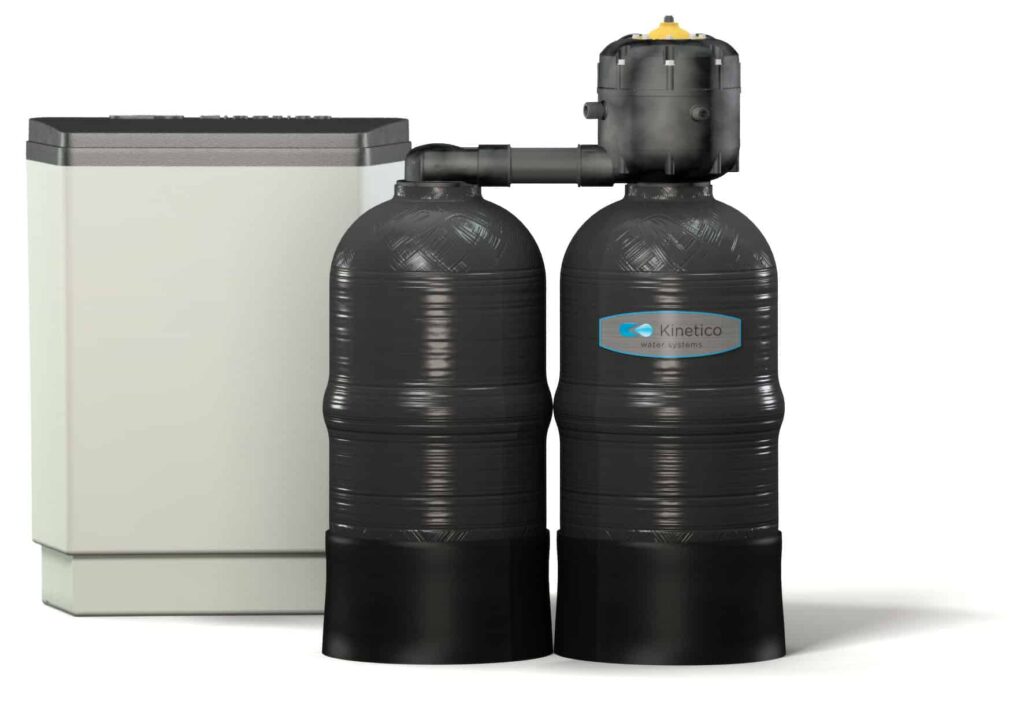
For households dealing with persistent hardness, kinetico water softeners are one option worth researching. Kinetico offers water treatment products designed to address hardness, and the suitability of a particular model depends on factors such as water chemistry, household demand, installation requirements, and maintenance preferences.
A water softener generally works through ion exchange, replacing hardness minerals with sodium or potassium ions. This helps reduce scale formation and can make washing and cleaning more convenient. However, softening doesn’t remove every contaminant, so it shouldn’t be treated as a complete drinking-water purification solution.
Before investing, have your water hardness measured and discuss the results with a qualified water treatment professional. You’ll be in a much better position to decide whether a softener is necessary and what capacity makes sense for your home.
Improving Drinking Water With Reverse Osmosis
Sometimes the main concern isn’t scale or soap performance. It’s the water you drink and use to prepare meals. An unusual aftertaste can make people reach for bottled water, even when their household supply meets local drinking-water requirements.
Reverse osmosis is a treatment method that pushes water through a semipermeable membrane, reducing many dissolved substances. The exact results depend on the equipment, the incoming water, and the system’s performance certification. These systems can be useful when particular dissolved contaminants need to be reduced.
Homeowners exploring kinetico reverse osmosis systems can compare available models based on their intended use, filtration stages, storage arrangements, water production rate, and replacement requirements. It’s important to check which specific contaminants a model is certified to reduce rather than assuming every reverse osmosis unit performs identically.
There are practical considerations, too. Reverse osmosis equipment may require an under-sink installation, periodic filter changes, and a connection to a drain. Some models also store treated water in a tank, while others use different delivery arrangements.
Water efficiency deserves attention. Reverse osmosis systems can discharge some incoming water during treatment, although the amount varies by model and operating conditions. Ask about actual performance specifications before buying, particularly if water conservation is important in your area.
For the best outcome, select a system based on test results and verified performance claims rather than simply choosing the model with the most filtration stages.
When Standard Treatment Isn’t Enough
Not every water problem can be solved with a basic carbon filter or softener. Depending on the source and chemistry, a home may need additional treatment for sediment, iron, manganese, or specific contaminants identified through testing.
This is where kinetico specialty equipment may be relevant to homeowners researching more targeted water treatment options. Depending on the product range available in their area, specialized equipment may address particular water quality challenges that require a more tailored approach.
For example, sediment filtration can help remove suspended particles before water reaches other equipment. Iron treatment may be necessary when water causes reddish staining, while certain contaminants require specifically designed and properly maintained treatment technologies. Ultraviolet disinfection may also be appropriate in some situations involving microbial risks, although it doesn’t remove dissolved chemicals or minerals.
The key is not to install every available treatment option. Each component should have a clear purpose, and the equipment should be suitable for the actual water conditions.
When several issues appear together, professional testing and advice can help determine whether a combination of treatments is appropriate. This is particularly important for private wells or water supplies with unusual characteristics.
Choosing Equipment That Fits Your Household
A system that works well for a large family may be unnecessarily expensive for a small household. Similarly, treating every tap may not be worthwhile if your only concern is drinking-water taste.
Consider how much water your household uses, how many people live in the property, and whether the problem affects the whole home or a single faucet. Installation space, plumbing access, electricity requirements, and future servicing should also influence your decision.
Look closely at ongoing expenses. Replacement filters, service visits, and other consumables can make a noticeable difference to the total cost over several years. Ask the supplier how often components need replacing and whether genuine replacement parts are readily available.
Independent certifications are another useful checkpoint. They help establish whether a product has been tested against specific performance standards. Remember, though, that certification for one contaminant doesn’t automatically establish effectiveness against another.
Finally, avoid choosing equipment based solely on promises of completely pure or universally healthy water. Good treatment is about addressing identified problems while maintaining reliable performance.
Keeping Your Water Treatment System Working Properly
Installation is only the beginning. Filters gradually collect particles or lose their ability to reduce certain substances, while softeners and other equipment may need periodic servicing. Ignoring maintenance can undermine the benefits you paid for.
Follow the manufacturer’s replacement schedule, keep records of servicing dates, and pay attention to changes in flow or taste. These signs can indicate a problem, although they cannot reliably reveal whether every contaminant is being controlled.
If your home relies on well water, continue testing it at appropriate intervals even after installing treatment equipment. A filter is not a substitute for monitoring the water supply itself.
Making a Confident Choice for Better Water
Choosing home water treatment doesn’t need to become an expensive guessing game. Start with the water you actually have, identify the issues that matter, and compare equipment designed to address those specific concerns.
Kinetico products may be worth considering as part of that research, but the right choice depends on the individual model, verified performance, installation conditions, and your household’s needs. Take time to understand the maintenance commitments and long-term costs before deciding.
Ultimately, better water comes from informed choices rather than complicated equipment. With reliable testing, suitable treatment, and consistent maintenance, you can improve everyday water quality and make a decision that feels sensible long after the installation is complete.
