A dependable hot water supply is one of those things that makes daily life feel a little easier. From getting ready for work in the morning to washing dishes after dinner, most households rely on hot water more than they realize. When a water heater starts losing performance, making strange noises, or requiring frequent repairs, it’s usually a sign that something needs attention. Sometimes a repair will solve the problem, but in other cases, replacing the old unit may be the more sensible long-term decision.
Recognizing When Your Water Heater Needs Attention
Water heaters don’t usually fail overnight without warning. In many cases, they show signs of aging gradually. Water may take longer to heat, temperatures might fluctuate unexpectedly, or the tank may struggle to provide enough hot water for the household. Leaks, rusty water, unusual rumbling sounds, and rising energy bills are also worth investigating.
Age is another factor. Although the lifespan of a water heater depends on its type, water quality, usage, and maintenance history, older units tend to become less dependable over time. If you’re constantly calling someone to fix the same problem, it may be time to compare repair costs with the price of a new system.
Why Proper Installation Makes a Difference
Buying a good water heater is only part of the process. The way it’s installed can affect its safety, efficiency, performance, and lifespan. Incorrect connections, poor sizing, unsuitable ventilation, or inadequate pressure control can create problems that may not appear immediately.
A professional new water heater installation involves more than placing an appliance in the utility room and connecting a few pipes. The installer needs to consider household demand, available space, energy supply, plumbing connections, safety requirements, and the manufacturer’s specifications.
Choosing the right capacity is especially important. A heater that’s too small may leave family members waiting for hot water, while an oversized unit could increase unnecessary operating expenses. Taking time to assess the property’s actual needs can prevent these issues from happening in the first place.
Exploring Different Water Heater Replacement Options
Replacing an old water heater gives homeowners an opportunity to reconsider what type of system would work best. Traditional storage heaters remain popular because they are relatively straightforward and provide a ready supply of heated water. They come in different sizes and may suit households with predictable daily usage.
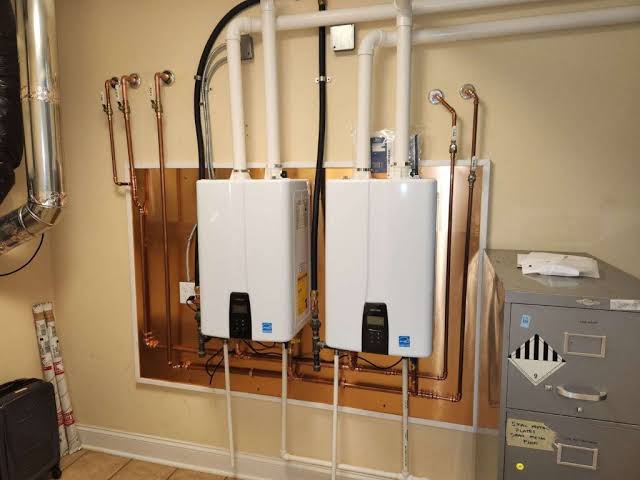
Tankless models, on the other hand, heat water as it flows through the unit. They can save space and avoid maintaining a large tank of stored hot water, although their capacity must be suitable for simultaneous water usage. Heat pump water heaters may also be worth considering in certain settings because they use heat from the surrounding air to warm water, potentially improving energy efficiency.
Comparing water heater replacement options requires looking beyond the purchase price. Installation costs, energy consumption, maintenance needs, warranties, available space, and expected usage should all be part of the decision. A model that costs a little more initially may offer better value over its lifetime.
Finding a Solution That Suits Your Household
Every home has a different routine. Some households need hot water for several showers in the morning, while others use it mainly for cooking, cleaning, and occasional bathing. This is why there’s no single water heater that works perfectly for everyone.
Practical home hot water heater solutions should take into account the number of occupants, bathroom facilities, kitchen usage, water pressure, and local climate. Families with high demand may benefit from a larger storage capacity or a system designed to handle multiple outlets at once.
It’s also helpful to think about future needs. If you’re renovating a bathroom, adding another bedroom, or planning to expand your household, your hot water requirements may change. Choosing a system with those possibilities in mind can save you from another replacement sooner than expected.
Improving Energy Efficiency and Reducing Running Costs
An aging water heater can consume more energy than necessary, particularly if insulation has deteriorated or internal components are no longer working efficiently. Replacing an inefficient unit may offer an opportunity to reduce energy use, though actual savings depend on household habits, energy rates, climate, and the selected model.
Simple improvements can also help. Fixing dripping hot water taps, insulating exposed pipes, using water efficiently, and avoiding unnecessarily high temperature settings can make a difference. You don’t always need a major renovation to improve performance.
Why Professional Guidance Is Worth Considering
Water heater installation involves plumbing, electricity, gas connections, and pressure-related safety components, depending on the equipment. Choosing a qualified installer can help ensure everything is connected correctly and the system operates according to its requirements.
A reliable professional should explain the available models, discuss installation costs, provide a clear estimate, and answer questions without rushing you into a decision. Good advice is particularly useful when replacing an older unit with a different type of technology.
Making the Right Decision for Long-Term Comfort
Replacing a water heater isn’t something most homeowners look forward to, but it can be a worthwhile improvement. A reliable system means fewer interruptions, better everyday comfort, and greater confidence that hot water will be available when needed.
Rather than waiting for a complete breakdown, pay attention to warning signs and explore your options early. With careful planning, proper installation, and regular maintenance, a new water heater can quietly make daily life more comfortable for many years.
