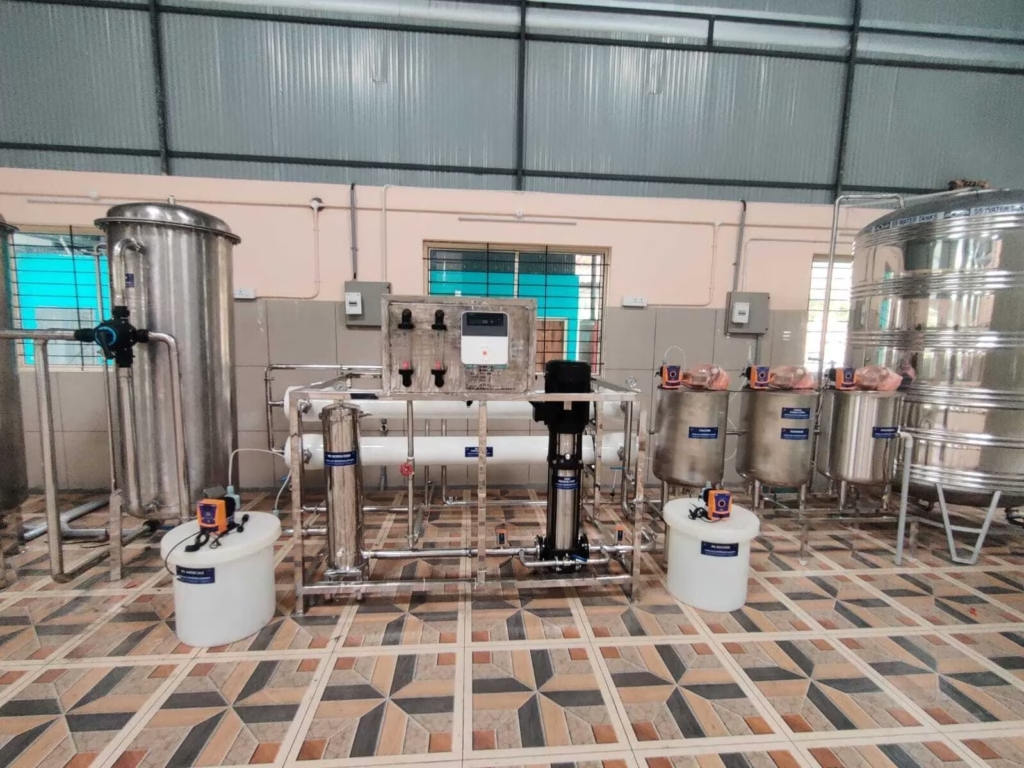
Water treatment is one of those parts of homeownership that tends to stay out of sight until something changes. The water softener stops performing as expected, a filter needs replacing, or mineral deposits begin showing up on faucets that were clean just a few days earlier. Suddenly, a system that once worked quietly in the background needs attention.
For homeowners, having a clear plan for water service can make these situations far less stressful. Knowing when to request help, how to maintain existing equipment, and when to consider a newer system can save time and prevent unnecessary expenses. It also helps ensure that the equipment installed in your home continues to meet your actual water needs.
The best approach isn’t always to buy something new. Sometimes a small adjustment or a replacement filter is all that’s needed. The important thing is understanding the problem before deciding how to fix it.
Knowing When to Request Water Service
Changes in water quality often provide the first indication that something deserves a closer look. You might notice a different taste, a new odor, cloudy water, or stubborn deposits around sinks and showerheads. In other cases, the signs are mechanical: lower water pressure, an unusual noise, or a treatment system that seems to run more frequently than usual.
When these issues appear, it’s sensible to request water service rather than relying on guesswork. A qualified technician can inspect the equipment, discuss the symptoms, and determine whether the cause is related to the treatment system, household plumbing, or the incoming water supply.
Before arranging an appointment, make a few notes. When did the problem begin? Does it affect every faucet or just one? Have you recently replaced a filter, changed a system setting, or carried out plumbing work? Small details like these can help a technician narrow down the possible causes.
It’s also useful to have the equipment’s brand and model available. If you have previous service records or water test results, keep them nearby. These documents can help the service provider understand the system’s history and avoid repeating work unnecessarily.
One important point: water that looks clear isn’t automatically safe to drink. If you suspect contamination, arrange appropriate testing and follow advice from your water supplier or local public health authority.
Why Regular System Care Matters
A water treatment system can be reliable for years, but that doesn’t mean it can run indefinitely without attention. Filters collect particles, carbon media gradually loses effectiveness, and mechanical components experience wear. Water softeners also require proper regeneration to keep removing hardness minerals.
Consistent system servicing & maintenance helps keep these components working as intended. Depending on the type of equipment, maintenance may involve replacing cartridges, checking connections, inspecting valves, cleaning designated components, or verifying that automatic operating cycles are functioning correctly.
The schedule will vary from one system to another. A household with high sediment levels may need more frequent filter changes than a home with relatively clean incoming water. Similarly, a busy household may use more softener salt than a property with only one or two occupants.
Rather than following a schedule based entirely on guesswork, start with the manufacturer’s recommendations. Then consider actual water conditions, household consumption, and any advice provided during professional inspections.
A simple record can make this much easier. Write down when filters were changed, when the equipment was serviced, and whether any problems appeared afterward. It takes only a few minutes, but it can help you spot recurring issues and plan ahead for future expenses.
Understanding the Value of Professional Support
Some water treatment tasks are manageable for homeowners. Replacing an accessible filter cartridge, replenishing a softener’s salt supply, or cleaning the exterior of a unit may be straightforward when the manufacturer’s instructions are followed.
Other jobs are better left to someone with the right training. Persistent leaks, electrical control problems, damaged valves, and repeated system failures can require specialist knowledge. Trying to repair internal components without understanding the equipment may cause further damage or create safety risks.
Professional support is valuable because it should address the underlying cause, not just the visible symptom. For instance, a drop in water pressure might result from a clogged filter, but it could also indicate a plumbing restriction. Replacing the filter without investigating further may not solve the problem.
Ask the technician to explain the findings in plain language. You should understand what has failed, whether the repair is necessary, and what you can do to reduce the chance of the same problem returning. Clear explanations make it easier to compare options and feel confident about the money you’re spending.
When Trade-Ins and Upgrades Make Sense
Even well-maintained equipment eventually reaches a point where replacement becomes worth considering. Parts may become difficult to obtain, repairs may grow more frequent, or the system may no longer provide enough capacity for the household.
In these circumstances, trade-ins & upgrades may offer a practical route toward newer equipment. Depending on the provider, a trade-in arrangement may allow an existing unit to be exchanged as part of a purchase. The actual value and availability of such offers vary, so it’s worth checking the terms carefully rather than assuming every older system qualifies.
An upgrade can also be useful when your water needs have changed. Perhaps your family has grown, you’ve renovated the house, or testing has identified a water quality concern that your current equipment wasn’t designed to address.
However, newer technology isn’t automatically the right choice. A system should be selected according to water test results, expected usage, available installation space, and the contaminants or minerals it is intended to address. A water softener, for example, is designed primarily to reduce hardness minerals. It should not be treated as a universal solution for bacteria, nitrates, or every dissolved chemical.
Before replacing a system, compare the total cost of continued repairs with the cost of new equipment, installation, replacement filters, and future servicing. A transparent assessment can help you decide whether an upgrade provides genuine value.
Choosing Equipment That Fits Your Home
Water treatment products differ considerably in their capabilities. Sediment filters capture suspended particles, activated carbon can reduce certain tastes and odors, and reverse osmosis systems can reduce various dissolved substances depending on their design and certification.
The right choice depends on what your water actually contains. If the main concern is hardness, a properly sized softener may be appropriate. If you want to improve drinking water taste, a point-of-use filter may be sufficient. A more complex issue could require a combination of technologies.
Pay attention to system capacity and flow rate, especially if several people use water at the same time. A system that performs well in a small household may struggle to meet the demands of a larger family. Also consider the cost and availability of replacement cartridges, the frequency of professional servicing, and the manufacturer’s performance claims.
For concerns involving specific contaminants, request test results and look for independent certification relevant to the treatment claim. This helps ensure that the equipment is being chosen for a real, identified purpose rather than a vague promise of better water.
Make Water Care Part of Your Routine
Reliable water service doesn’t have to involve constant attention. In many homes, a practical routine of inspections, timely filter changes, and occasional professional checks is enough to keep equipment in good condition.
The key is to act when something changes instead of waiting for a small issue to become a major inconvenience. Keep your service records, learn the basic requirements of your system, and ask questions whenever a repair or upgrade is proposed.
Good water treatment starts with understanding your water and continues with caring for the equipment that treats it. Whether the solution is a routine service visit, a targeted repair, or a carefully chosen upgrade, informed decisions can help protect your investment and make everyday water use more dependable for years to come.
