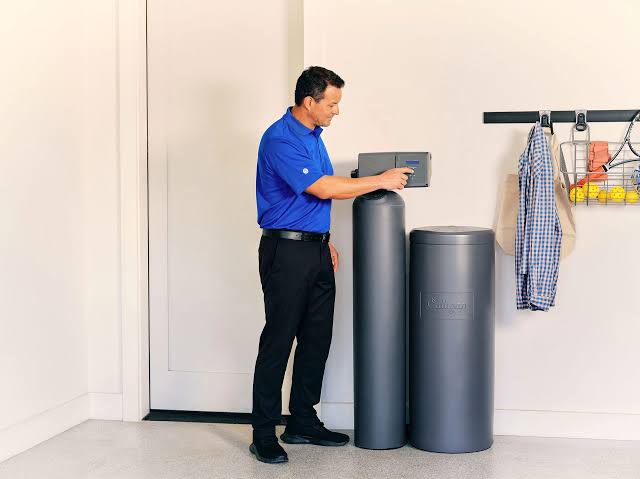
Most people don’t spend much time thinking about their water treatment system until something needs attention. Maybe the salt tank is nearly empty, white mineral marks have started appearing around the faucets, or the water just doesn’t feel the way it used to. These small changes can be easy to ignore, especially when life is already busy.
The good news is that maintaining a water treatment system doesn’t have to become another demanding household responsibility. With a sensible routine, a reliable supplier, and a little understanding of how the equipment works, it’s possible to keep things running smoothly without constantly checking the utility room.
For homeowners and businesses alike, the trick is to plan ahead rather than wait for a problem to interrupt the day.
Why a Consistent Supply Matters
Salt-based water softeners need salt to regenerate their resin and continue reducing hardness minerals such as calcium and magnesium. If the salt supply runs out, the system may not soften water as expected. Over time, mineral deposits can return, soap may rinse less easily, and cleaning can become more frustrating.
Remembering to purchase salt every few weeks isn’t difficult in theory. In practice, bags are heavy, schedules change, and the need for a refill often becomes obvious at the worst possible moment. That’s where ongoing delivery programs can make life easier.
These programs allow customers to arrange recurring deliveries based on their typical usage. Instead of making a separate shopping trip each time the supply runs low, salt arrives according to an agreed schedule. For households with busy routines, that can be a welcome relief.
Businesses may benefit even more. A laundry facility, restaurant, hotel, or other property with high water consumption needs to keep an eye on supplies. A planned delivery arrangement helps staff avoid last-minute orders and makes inventory easier to manage.
Of course, recurring delivery shouldn’t mean ordering blindly. Water usage can change with the seasons, family size, occupancy, or business activity. Reviewing the schedule from time to time helps ensure you’re receiving enough salt without filling storage areas with bags you won’t use for months.
Finding a Schedule That Fits Your Routine
Every property uses water differently. A small household may need salt less frequently than a larger family, while a commercial facility might consume substantial quantities every week. Water hardness, softener capacity, and system settings also influence how quickly salt is used.
That’s why flexible scheduling is worth considering when choosing a delivery provider. A useful service should allow you to adjust delivery frequency as your needs change, whether that means increasing supplies during a busy period or postponing an order when the tank is already full.
For example, a family that hosts relatives during the holidays may use considerably more water than usual. A vacation property might need fewer supplies during quieter months. Businesses can experience similar changes during seasonal peaks or planned closures.
Before settling on a schedule, monitor your salt consumption for a few weeks. Check the tank regularly and note how quickly the level drops. This gives you a more realistic idea of when the next delivery should arrive.
It’s also worth asking about minimum order quantities, delivery fees, and how much notice is required to change an appointment. A low advertised price may not offer the best overall value if the service is difficult to adjust.
The goal is a schedule that feels natural. You shouldn’t have to rearrange your week around a delivery, and you shouldn’t be left scrambling because a shipment is delayed.
Choosing the Right Salt for Your Equipment
Although water softener salt may look much the same from one bag to another, different products have different characteristics. Common options include evaporated salt pellets, solar salt, and rock salt. Their purity and insoluble content can vary, which may affect their suitability for a particular softener.
Many systems use high-purity pellets because they dissolve reliably and are widely available. Other units may be compatible with different products. The best choice depends on the manufacturer’s recommendations, so it’s sensible to check the owner’s manual before changing salt types.
Potassium chloride is another option for some systems, but it isn’t automatically a direct substitute for sodium chloride in every installation. The equipment settings and operating requirements may need to be reviewed first.
Using the right product can help reduce unnecessary residue and keep the brine tank in better condition. If you’re unsure what to order, ask your supplier or a qualified water treatment technician rather than guessing.
Storage deserves a little attention, too. Keep salt bags in a dry place, away from moisture and direct contact with the ground where practical. Damp conditions can cause clumping and make bags harder to handle. A clean, accessible storage area also makes it easier to check what you have before placing another order.
Routine Maintenance Is About More Than Salt
Keeping the tank supplied is important, but salt alone doesn’t guarantee that a water softener will perform properly. Like any mechanical system, the equipment benefits from occasional checks and appropriate servicing.
Good water softener maintenance starts with following the manufacturer’s instructions. Depending on the model and water conditions, this may involve checking salt levels, inspecting the brine tank, cleaning components when recommended, and reviewing system settings.
It’s generally a good idea to look at the tank periodically rather than waiting until it appears empty. If a hard crust forms across the salt, a bridge may have developed underneath. This can leave an empty space between the salt and the water, preventing proper brine formation even when the tank looks full.
Avoid breaking up hardened salt with sharp tools that could damage the tank. Follow the manufacturer’s guidance or contact a technician if you’re uncertain how to address the issue.
You should also pay attention to changes in performance. White scale returning on fixtures, reduced soap lather, or a noticeable change in water feel may suggest that the system isn’t working as expected. These signs aren’t conclusive on their own, but they justify a closer look.
If the softener continues to struggle despite having sufficient salt, the cause could involve incorrect settings, a blocked component, resin problems, or another issue that requires professional assessment.
What Reliable Delivery Service Should Include
Convenience is important, but a delivery provider should offer more than simply dropping bags at the door. Clear communication, predictable arrival windows, and straightforward ordering arrangements all contribute to a better experience.
Ask whether deliveries can be placed in a designated location, particularly if the equipment is in a garage, basement, or utility room. If carrying salt indoors is part of the service, confirm whether there are access requirements or additional fees.
It also helps to understand the provider’s cancellation and rescheduling policies. Life doesn’t always follow a calendar, and a supplier that makes reasonable adjustments can save customers unnecessary hassle.
For businesses, consistent communication may be even more important. Someone should know when the next order is due, how to request an urgent delivery, and whom to contact if supplies arrive late. Keeping a simple record of deliveries and usage can prevent confusion when staff responsibilities change.
Look beyond promotional offers and consider the whole service. A dependable provider should explain its terms clearly rather than making promises that are difficult to verify.
Avoiding Waste While Staying Prepared
It’s tempting to order extra salt just to be safe, but more isn’t always better. Large quantities take up space, can become difficult to move, and may be exposed to moisture if storage conditions aren’t suitable.
On the other hand, ordering too little can lead to interruptions and rushed purchases. A reasonable balance comes from understanding how quickly your system uses salt and maintaining a practical reserve.
Review your consumption occasionally, especially after changes in household size, business activity, or water treatment settings. If your usage suddenly increases, check whether the softener is operating correctly before simply ordering more supplies.
Remember that a salt-based softener treats hardness; it doesn’t automatically remove every possible contaminant. If you’re concerned about drinking water safety, unusual odors, or other water quality changes, appropriate testing can help identify whether another treatment method is needed.
Making Good Water Care Part of Everyday Life
A dependable water treatment routine doesn’t require constant attention. It requires a few sensible habits: check supplies, use the right salt, follow maintenance recommendations, and choose a delivery schedule that matches real usage.
Recurring deliveries can reduce shopping trips, while adaptable scheduling helps accommodate the changing needs of homes and businesses. Regular system checks provide another layer of reassurance, helping you notice problems before they become bigger inconveniences.
In the end, the best arrangement is the one that works quietly in the background. When supplies arrive on time and the equipment receives proper care, water treatment becomes less of a chore and more of a reliable part of everyday living.
